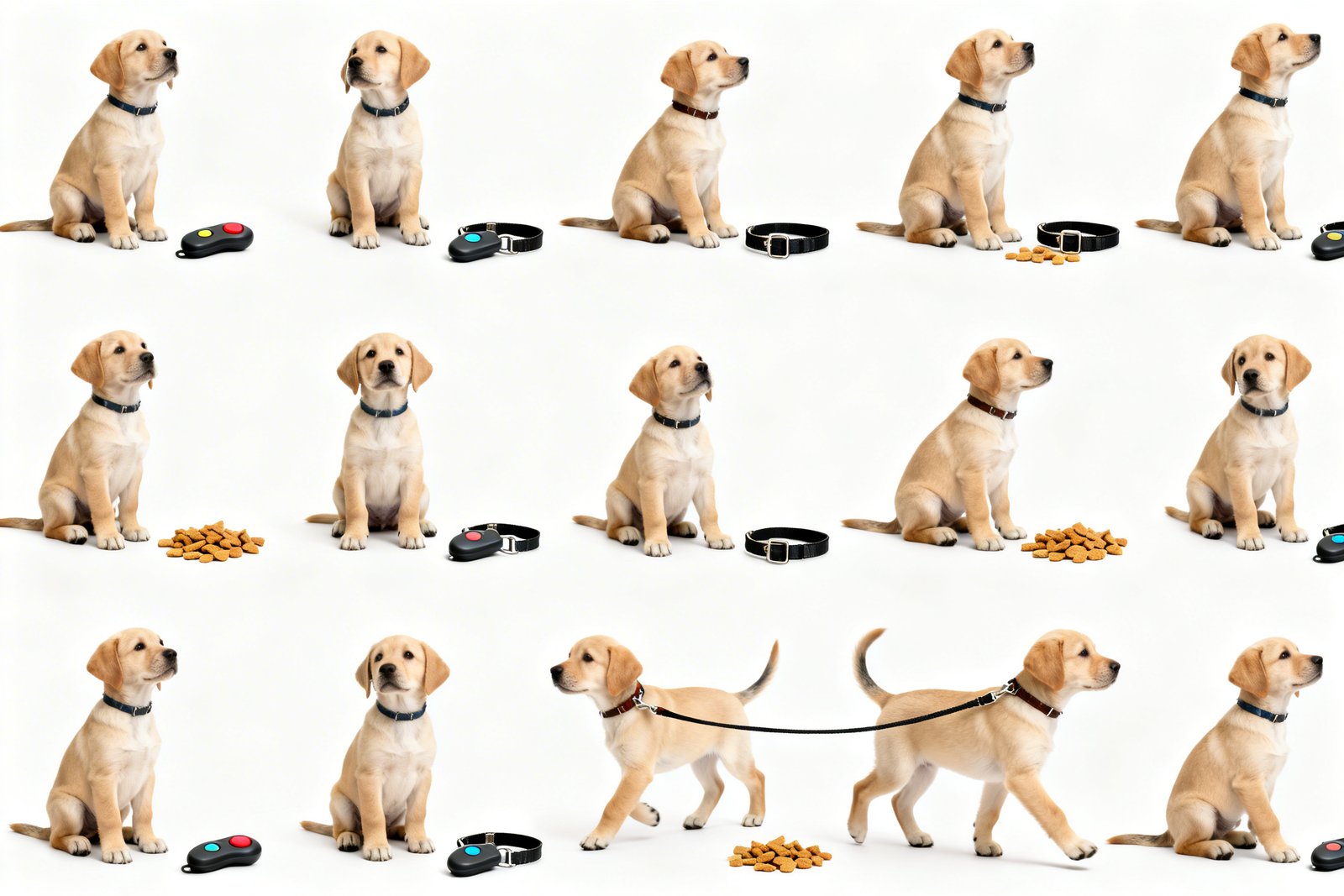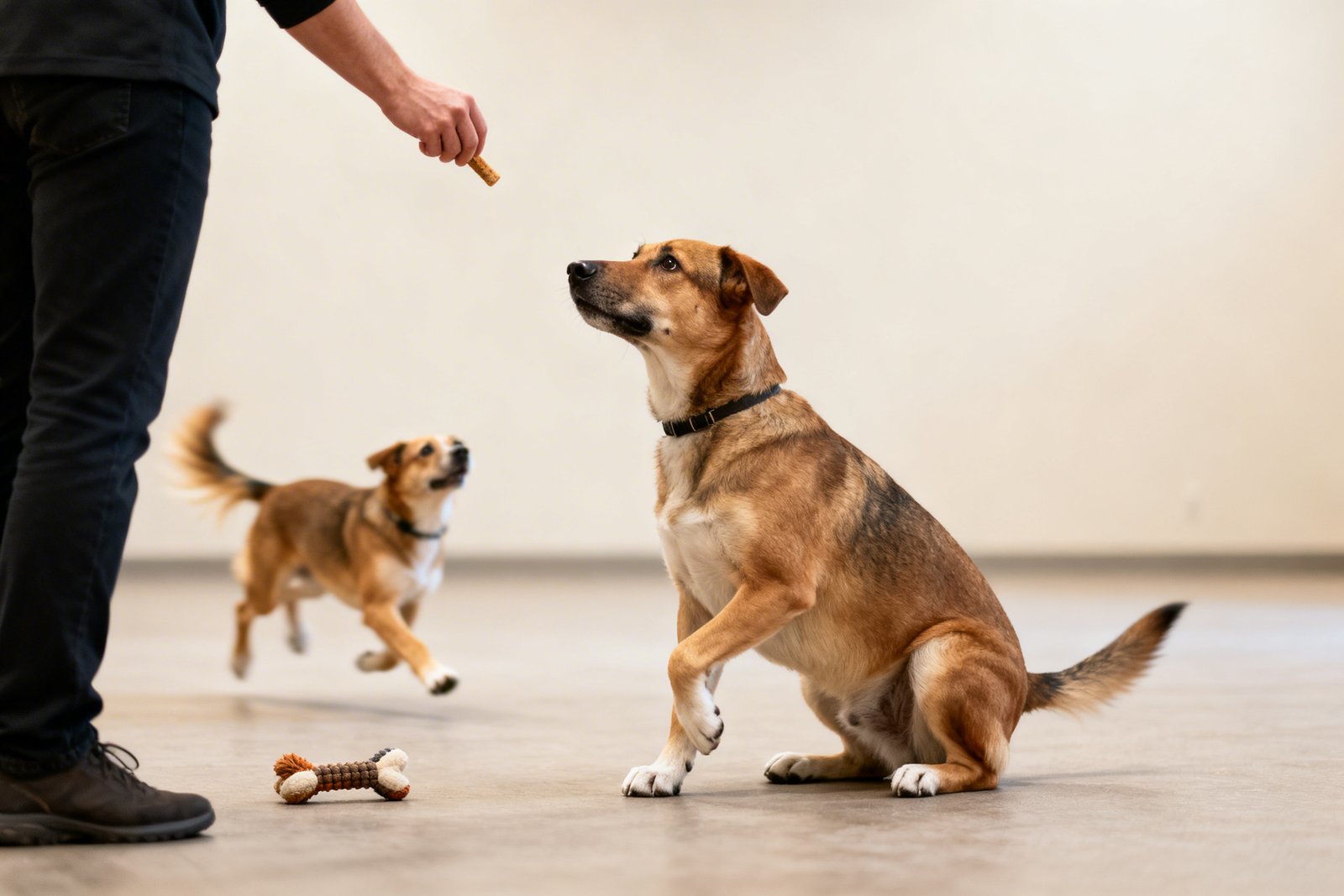
Your dog doesn’t need a PhD in obedience. You just need a handful of rock-solid commands that make daily life easier and way more fun. Sit, Stay, Come, and Leave It cover 90% of real-world chaos—door dashing, squirrel chasing, sock stealing.
Let’s teach them fast, keep it positive, and maybe even impress your neighbors.
First Things First: Set the Game Board
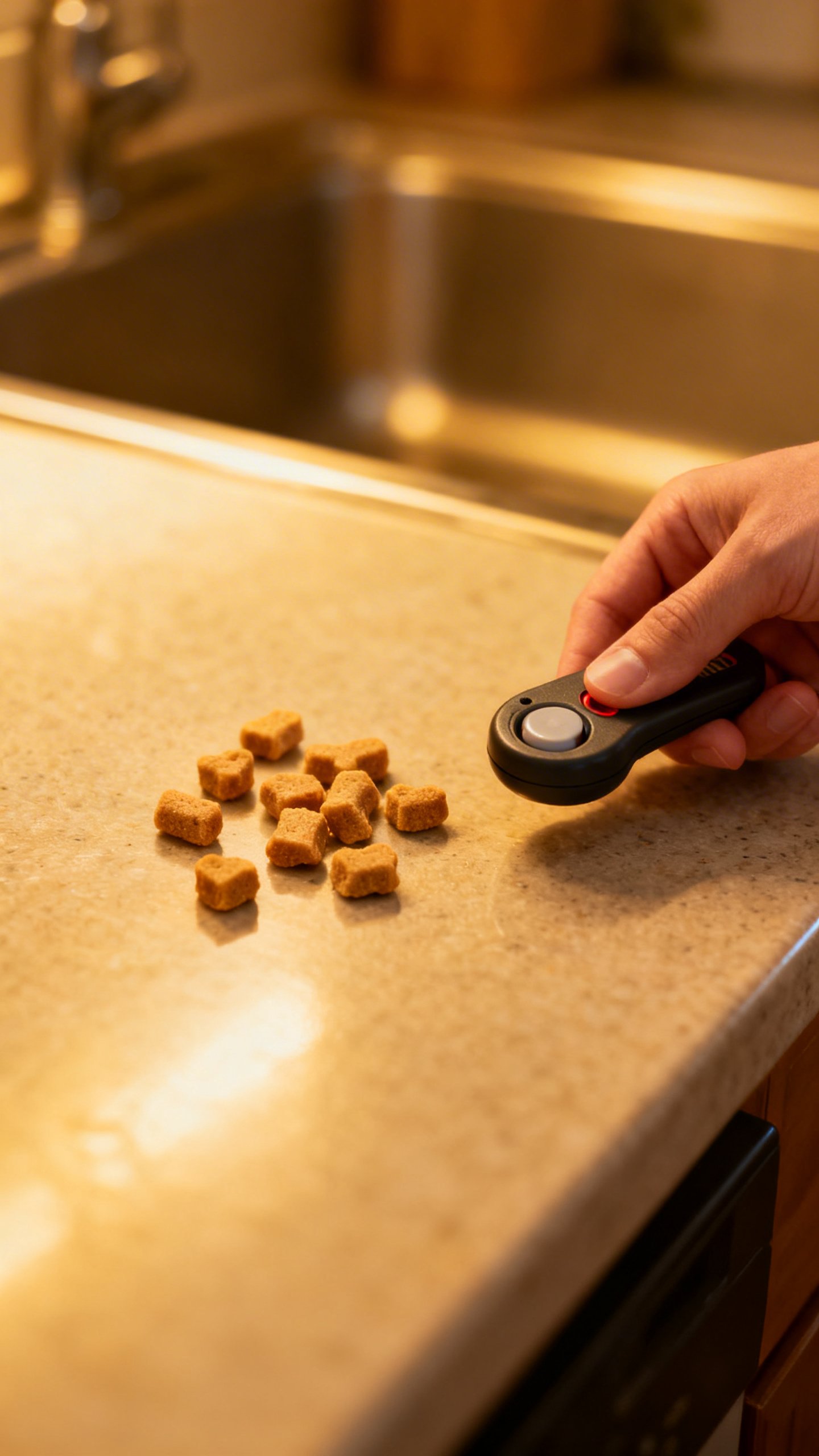
You’ll need three things: tiny treats, a quiet space, and a short attention window. Dogs learn best in 5–10 minute sessions, a few times a day. Think “snackable lessons,” not university lectures. Pro tip: Use soft treats your dog can swallow quickly.
If your dog spends five seconds chewing, you just lost the moment. And yes, you can absolutely train with kibble if your dog thinks kibble is currency.
Build Your Reward System
Dogs repeat what pays. So you’ll pay with food, praise, and play.
Your timing matters more than your treat type. Deliver the reward within one second of the behavior.
- Marker word: Say “Yes!” or click a clicker the instant your dog does the right thing.
- Pay the behavior: Treat to mouth, quickly. Minimal fanfare.
Then reset.
- Keep the vibe upbeat: End sessions before your dog checks out.
What if my dog ignores treats?
Try higher-value rewards: cheese, chicken, or freeze-dried liver. Or use play (tug, fetch) as a reward after a few reps. IMO, every dog has a “paycheck”—you just haven’t discovered it yet.
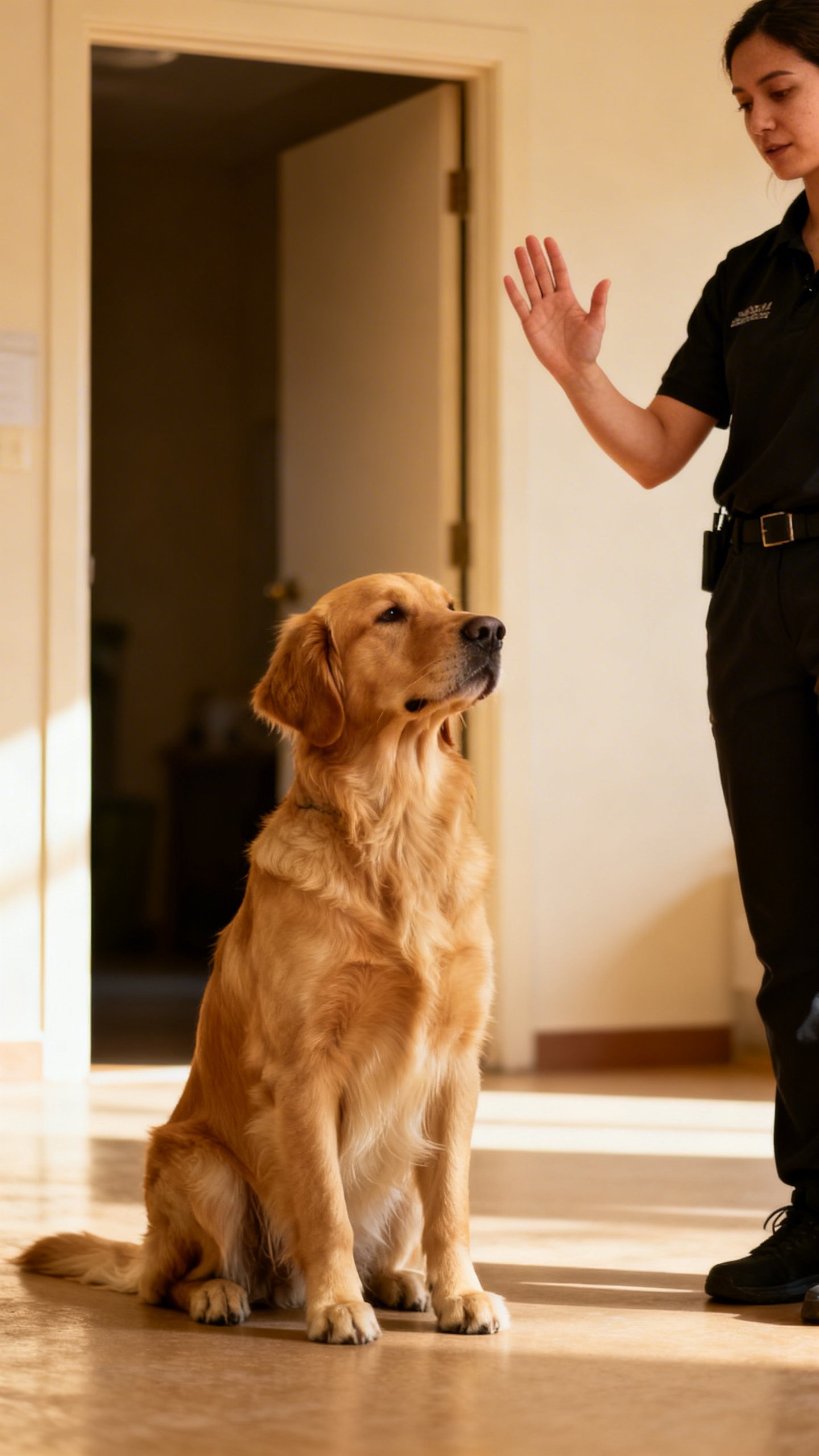
Command One: Sit (the Swiss Army knife of manners)
Sit stops jumping, buys you calm, and starts impulse control.
It’s the gateway command.
- Hold a treat at your dog’s nose. Move it slowly up and back over their head.
- As their butt hits the floor, say your marker (“Yes!”). Then treat.
- Add the word “Sit” once they follow the lure reliably.
Say “Sit,” pause half a beat, lure, then mark and treat.
- Fade the lure: use the same hand motion without the treat, then reward from the other hand or your pocket.
Trainer tip: Dog pops up right after? Pay the sit faster and release them with a word like “Free” so they know the rep ended.
Common Sit mistakes
– Repeating the cue: Saying “Sit sit sit” teaches your dog to wait for the third try. Say it once. – Pushing their rear down: Feels weird, breaks trust, and delays learning.
Command Two: Stay (aka “don’t move, buddy”)
Stay buys you safety and sanity.
Start small. Like ridiculously small.
- Ask for a sit or down.
- Hold up a flat palm and say “Stay.” Count “one-Mississippi,” then mark and treat while your dog still holds position.
- Gradually extend time. Add a step back.
Add two steps. Return, mark, treat.
- Prioritize returning to your dog to reward. That builds a solid stay.
Use a release word: “Free” or “Break” tells your dog they can move.
Without it, they’ll guess—and usually guess wrong.
Proof the Stay
– Vary position: You stand to the side, behind, on a chair (yes, really). – Add distractions: Drop a treat on the floor, clap, or spin around like a confused NPC. – Change locations: Kitchen, yard, front porch. FYI: If your dog breaks the stay, you went too fast. Reset, dial back the difficulty, and pay more frequently.
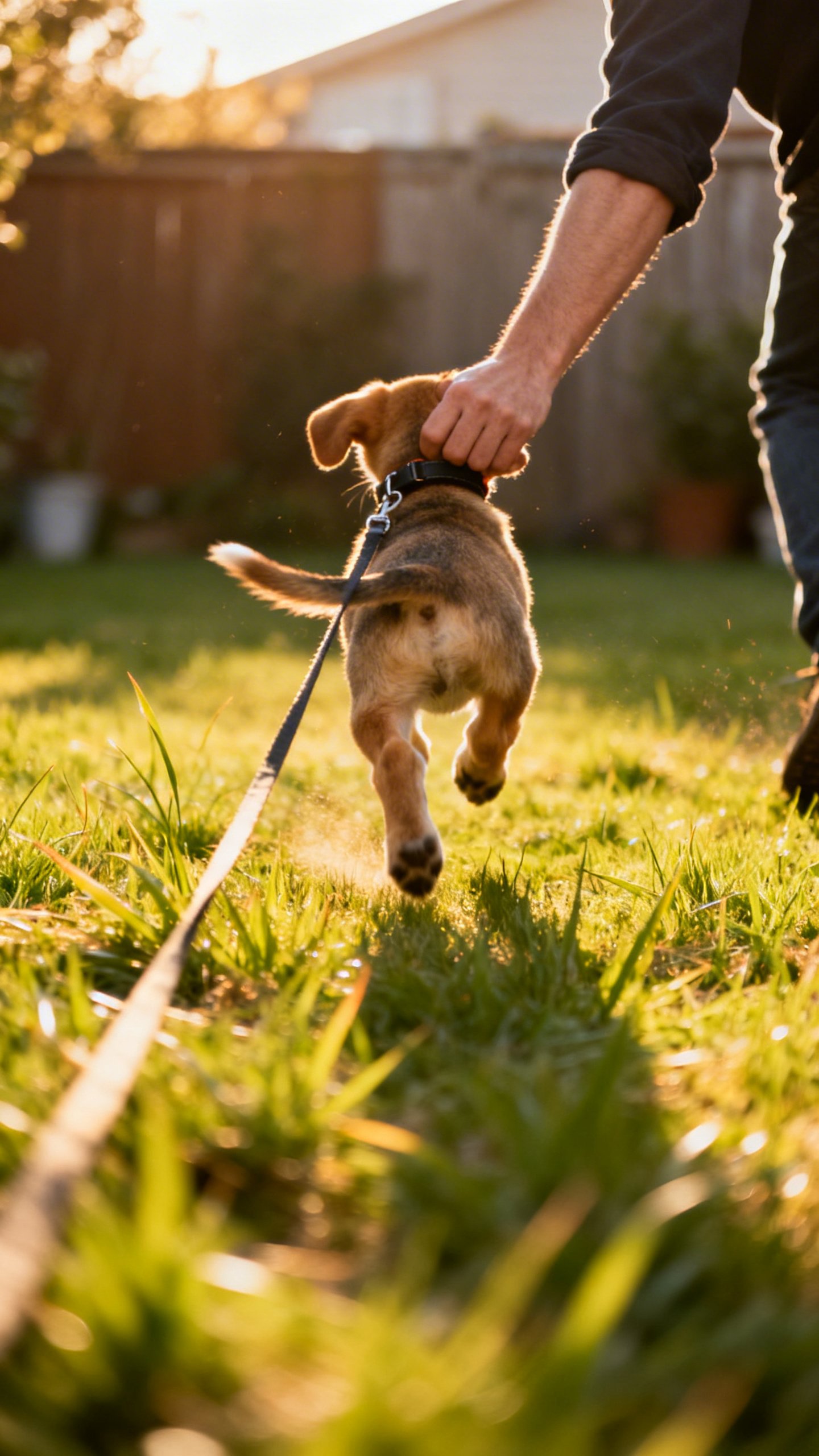
Command Three: Come (the lifeline)
A reliable recall keeps your dog safe and lets you give them more freedom. Make “Come!” feel like a confetti cannon of good things.
- Start in a quiet space with a long line.
Say your dog’s name once, pause, then “Come!” in a happy voice.
- Back up a few steps as they approach. Movement draws dogs in.
- When they arrive, grab the collar gently, mark, and explode with rewards: treats, praise, tug. Party city.
- Release them again to go explore.
Coming to you should not end the fun every time.
Recall games that actually work
– Ping-Pong: Two people take turns calling the dog and paying big. – Find-me: Hide behind a tree or couch, call once, reward like a maniac. – Jackpot: Occasionally pay with 5–10 tiny treats in a row. Surprise = stronger behavior. Never: Call your dog to punish or end all fun. If you must do nail trims or leave the park, sometimes go to your dog calmly and leash up without using the recall word.
Command Four: Leave It (because socks are not snacks)
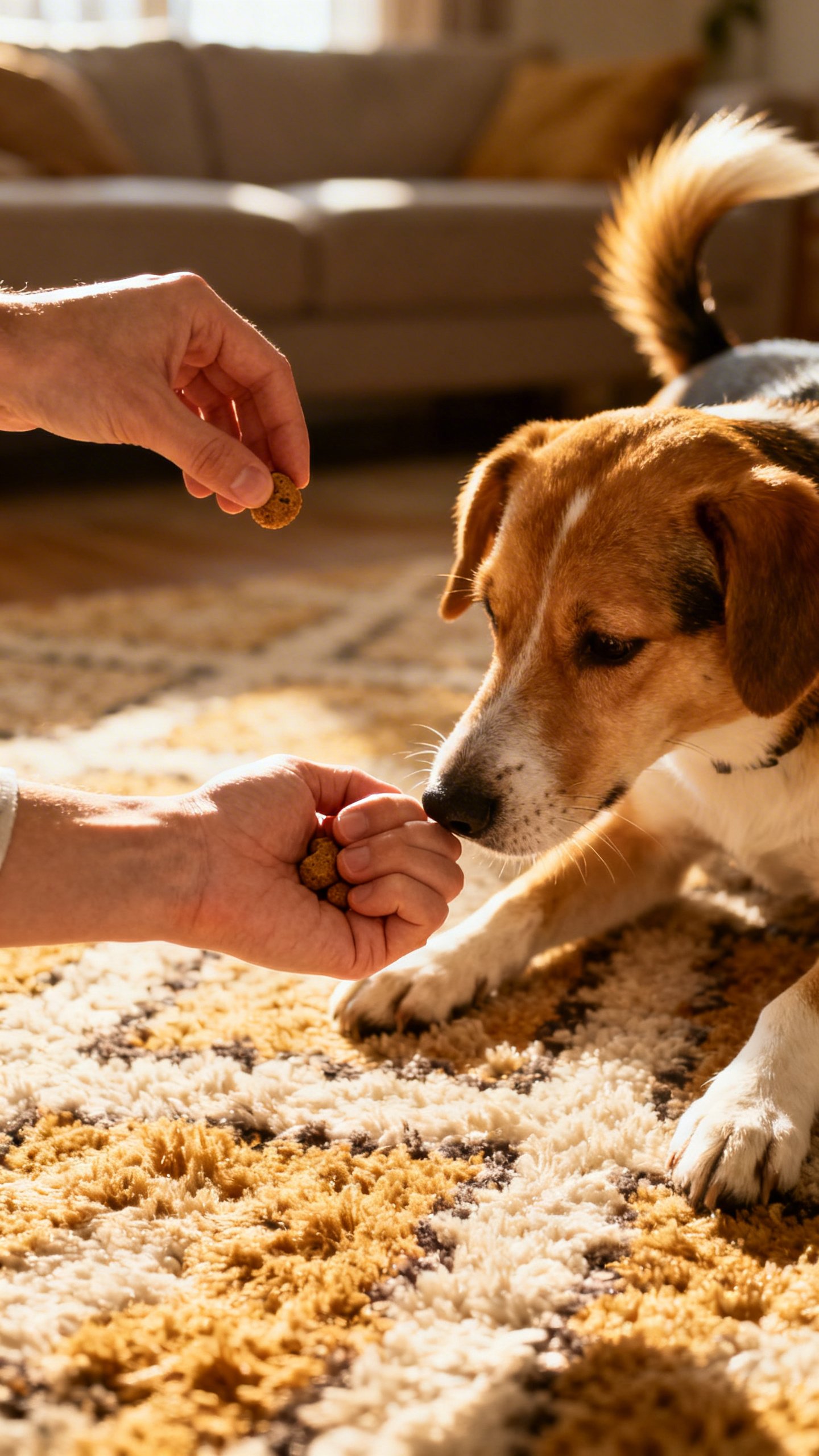
“Leave it” teaches your dog to disengage from something and look to you instead.
Start with food in your hand; move to real-life temptations later.
- Place a treat in a closed fist. Present it at nose level and say “Leave it.”
- Your dog will lick, paw, curse you in dog language. Wait them out.
- The second they back off or look away, mark and treat from your other hand.
- Repeat until they back off immediately.
Then open your hand. If they dive in, close it. If they pause, mark and pay from the other hand.
- Place the treat on the floor under your shoe.
Say “Leave it.” Mark and pay for eye contact with you. Build toward uncovered items.
Upgrade it: Practice with boring things first (kibble), then move to higher-value items (chicken, dropped snacks, random street treasures). Only reward leaving the item, not sniffing or stealing it first.
Leave It vs.
Drop It
– Leave It = don’t touch that. – Drop It = release what’s already in your mouth. Teach both. IMO, “Drop It” saves more socks, but “Leave It” prevents ER visits.
Put It All Together: Real-Life Routines
Make commands part of your daily rhythm so they stick.
- Door manners: Ask for Sit and Stay before opening doors.
Release when calm.
- Meal prep: Down/Stay while you chop. Drop a treat for holding position when you move around.
- Walks: Practice Leave It with sticks, chicken bones, and that one mysterious alley burrito.
- Recall reps: Call “Come!” randomly at home, pay big, then release back to play.
Consistency beats intensity. Ten tiny reps sprinkled through the day > one hero session on Sunday.
Troubleshooting Without Tears
Training stalls happen. Don’t panic—adjust your plan.
- Too distracted? Lower the difficulty: closer distance, fewer noises, better treats.
- Slow response? You may pay too little or too late.
Improve timing, add jackpots.
- Command deafness? You overused the cue without help. Rebuild with luring and higher-value rewards.
- Low energy? Shorten sessions and add play breaks.
When to seek help
If your dog shows aggression, resource guarding, or intense fear, work with a qualified, reward-based trainer. Smart coaching saves time and stress—yours and your dog’s.
FAQ
How many sessions per day should I do?
Aim for 2–4 mini sessions of 5–10 minutes.
Keep them upbeat, stop while your dog still wants more, and sprinkle easy wins between harder reps.
What treats work best?
Use pea-sized, soft, smelly treats like chicken, cheese, or commercial training bites. If your dog gets bored, rotate treat types. FYI, breakfast kibble can power easy drills at home.
When can I stop using treats?
When your dog performs reliably in various places.
Then switch to a variable schedule: pay with food sometimes, praise/play others. Still jackpot great responses, especially for recall.
Should I use a clicker?
If you like precise timing, yes. A clicker gives a crisp marker that says “that!” If you’d rather keep it simple, a consistent “Yes!” works great.
The key is timing, not the tool.
What if my dog knows the command at home but fails outside?
You need to generalize. Re-teach each command in new locations with easier criteria and better rewards. Dogs don’t generalize automatically—street smarts take reps.
Can older dogs learn these commands?
Absolutely.
Older dogs sometimes learn faster because they focus better. Adjust treat size for weight and use lower-impact positions if joints feel creaky.
Wrapping It Up
Teach Sit, Stay, Come, and Leave It, and you basically unlock civilized dog life. Keep sessions short, rewards awesome, and criteria crystal clear.
Make it a game, not a grind. With a little consistency—and a pocket full of snacks—you’ll have a dog who listens when it counts, IMO the best flex a pet parent can have.
Related Posts