Your dog’s muzzle went silver, and suddenly everyone treats them like a fragile antique. Spoiler: they’re not. Older dogs can learn, adapt, and pick up new tricks—sometimes faster than the zoomy puppies.
You just need the right approach, a little patience, and a lot of treats. Ready to prove the cliché wrong?
Why Older Dogs Make Surprisingly Great Students
Older dogs bring something magical to training: focus. They’re not busy inventing chaos like puppies.
They already know your voice, your house rules (mostly), and your snack drawer location. That foundation helps you teach new skills without starting from scratch. They also have better impulse control. That means fewer squirrel-chasing interruptions and more actual learning time. And yes, mature dogs still feel curious.
Give them a fun job, and they’ll light up like it’s their birthday.
First Things First: Health Check and Setup
Before you dive into trick school, make sure your dog’s body can play along. A quick vet check helps you avoid moves that aggravate joints or pain. Ask about arthritis, vision, hearing, and weight.
Small tweaks make a big difference. Set the stage for success:
- Train on soft surfaces to protect joints.
- Keep sessions short: 3–5 minutes, a few times a day.
- Use high-value treats your dog adores—think tiny bits of chicken or cheese.
- Cut background noise to help older ears focus.
Adapting for Aging Bodies
If “sit” looks stiff, try alternatives like “stand” or “chin rest.” If jumping hurts, swap “high five” for a gentle “paw.” Never push through discomfort. Pain kills motivation faster than a broken treat pouch.
Your Core Tools: Clarity, Timing, Rewards
Want your old-timer to learn fast? Use this trio like a pro.
- Clarity: One cue per behavior. Say “down,” not “down, lie down, please lie down.” Dogs don’t speak rambles.
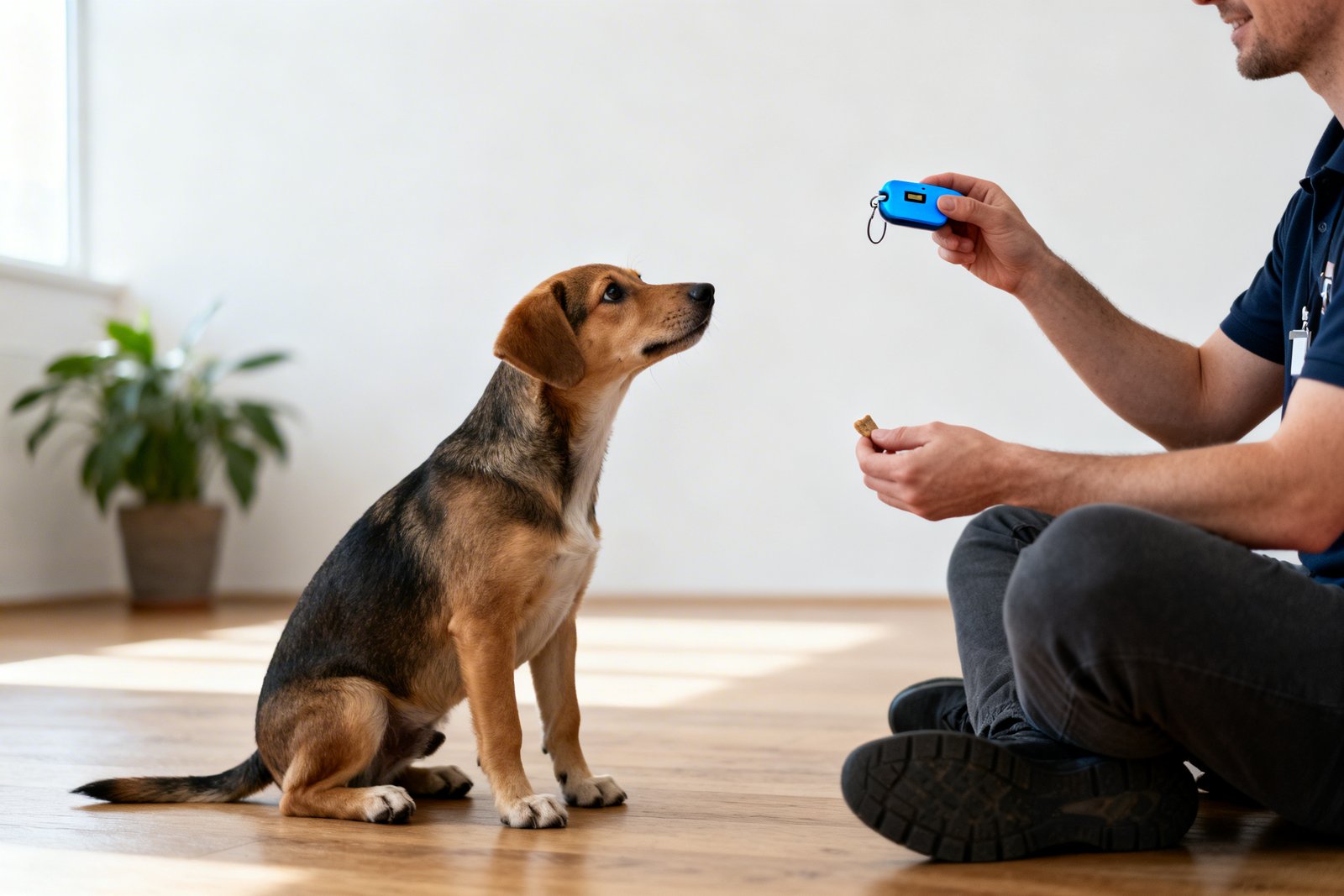
- Timing: Mark the exact moment they do it right with a clicker or a cheerful “Yes!” Then treat immediately.
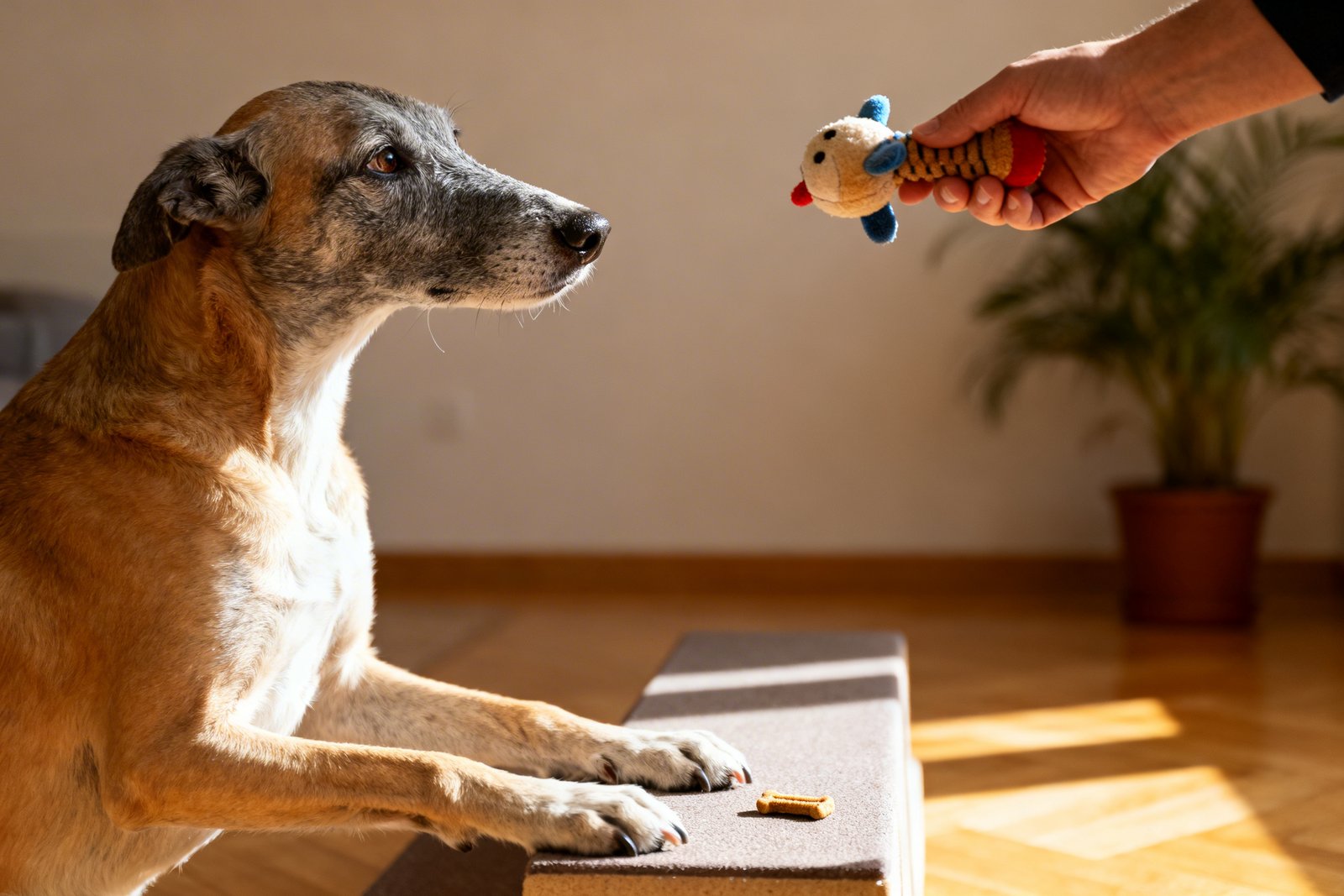
- Rewards: Treats, praise, toys—use what motivates your dog.
IMO, food wins 90% of the time.
Keep Criteria Tiny
Break behaviors into bite-sized steps. If you want “go to bed,” reward any glance toward the mat first, then steps toward it, then paws on it, then full body. Progress in inches, not miles. You’ll get there faster, promise.
Great Tricks and Skills for Senior Dogs
Let’s skip backflips. These tricks build confidence, enrich the brain, and keep the body comfy.
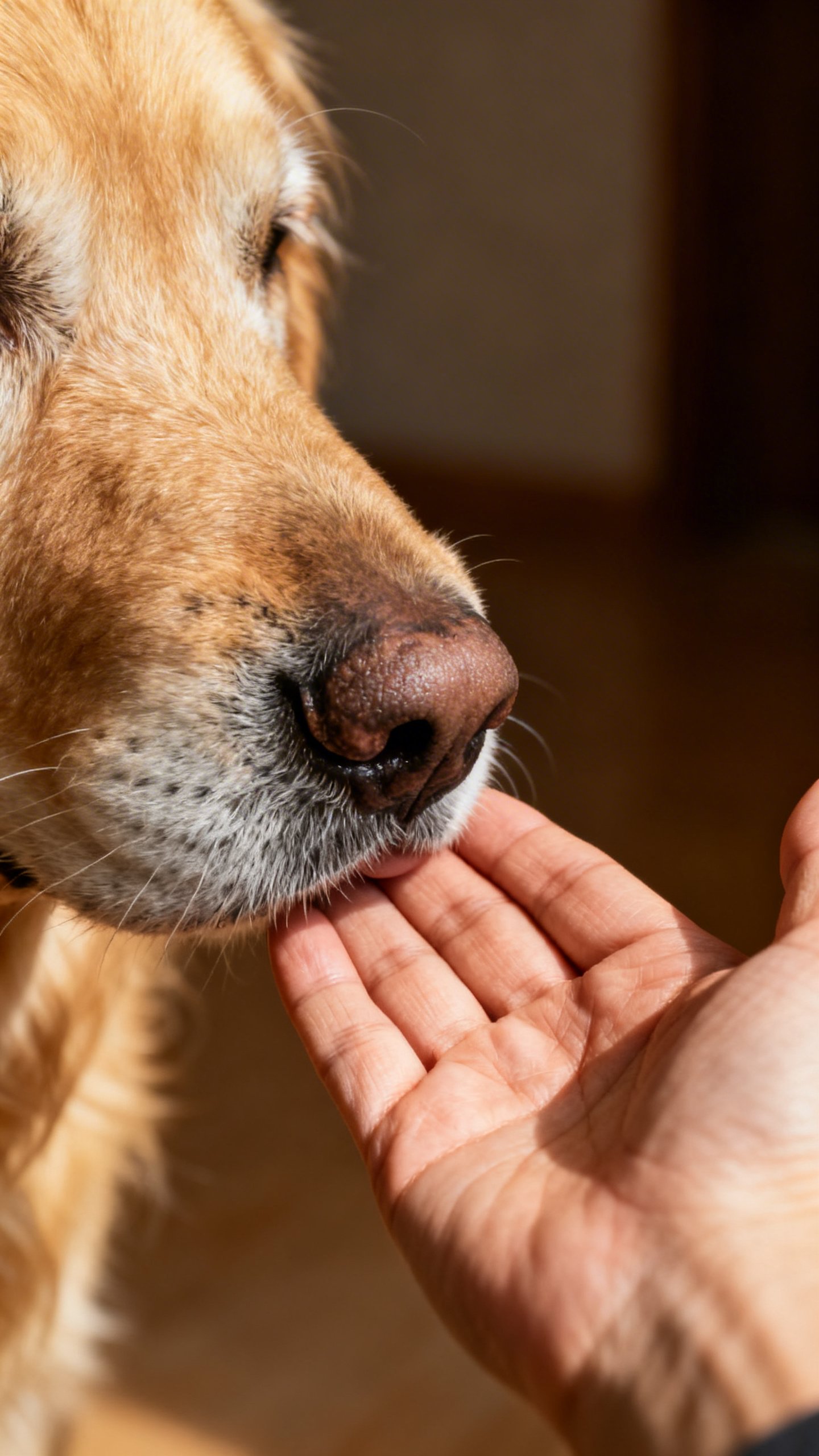
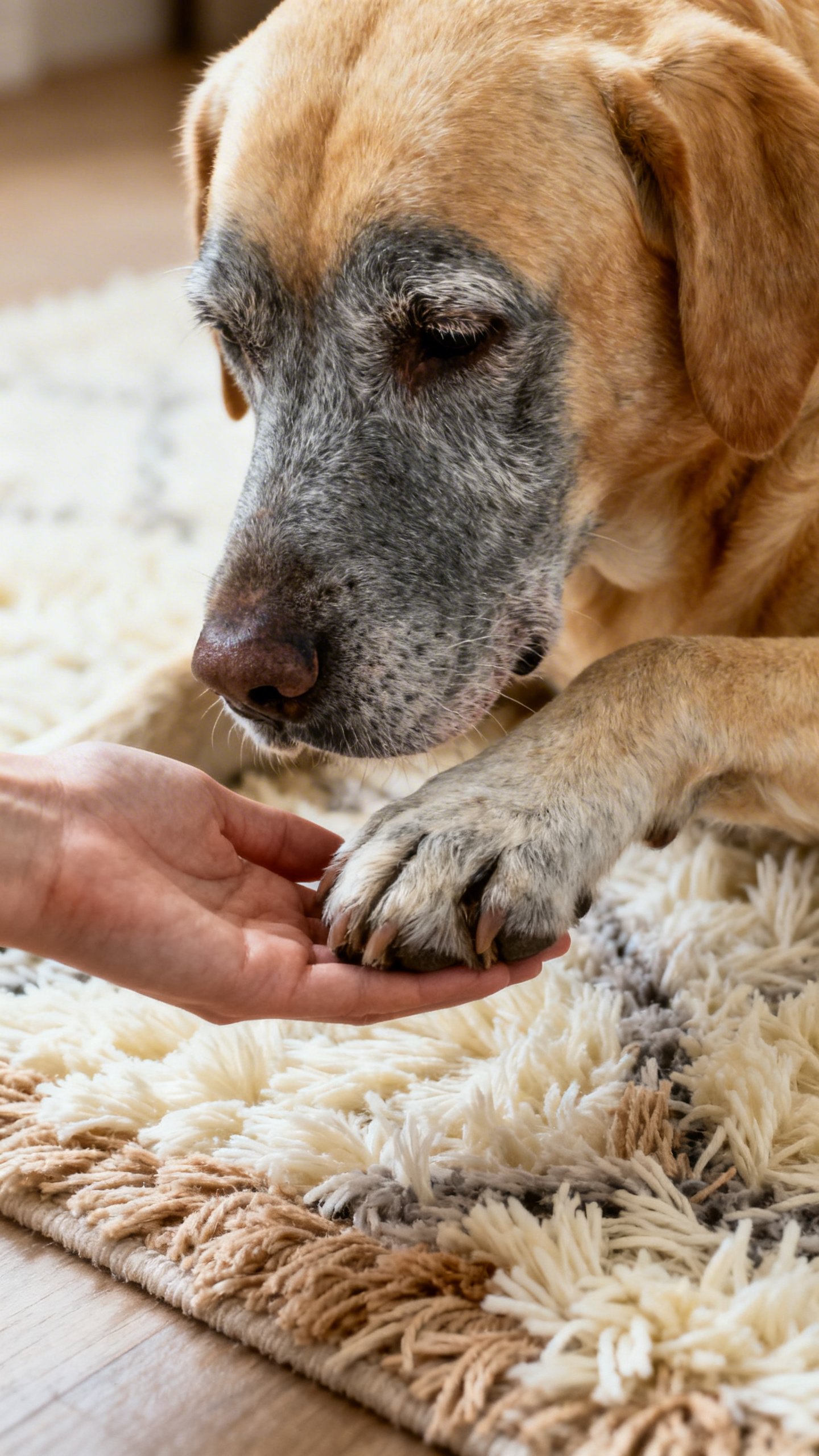
- Hand Target (“Touch”): Hold out your palm.
When your dog boops it with their nose, say “Yes!” and treat. It becomes a steering wheel for positioning.
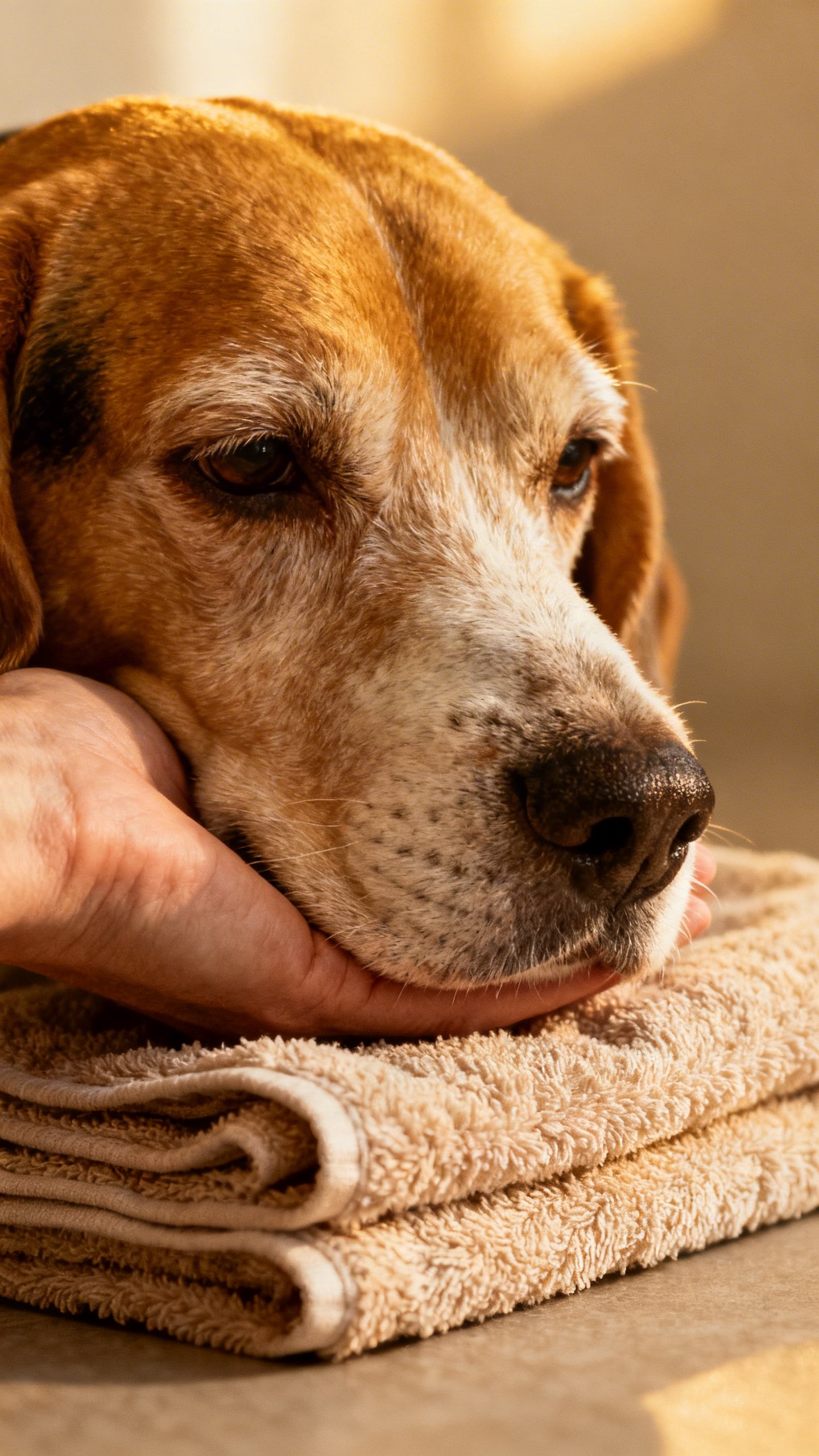
- Chin Rest: Lure their chin onto your palm or a towel. Reward relaxation.
Perfect for grooming or vet checks.
- Paw/Shake: Offer your hand low. Reward any paw lift. Keep it gentle for arthritic wrists.
- Spin (Slow): Lure in a small circle.
Keep it slow and size-appropriate for balance.
- Go to Mat/Place: Toss a treat onto a mat. Reward staying there. This builds self-control and gives them a cozy job.
- Find It: Scatter treats and let them search.
Mental workout plus snuffle satisfaction.
Functional “Life Tricks” Older Dogs Love
- Wait at Doors: Hand target away from the door, reward, then open slowly. Safe and civilized.
- Loose-Leash Walk: Reward any slack leash. Celebrate tiny wins.
Your shoulders will thank you.
- Settle on Cue: Teach “settle” by rewarding calm on a mat. Great for guests and coffee shops, FYI.
Motivation Hacks That Actually Work
Not all seniors go wild for kibble. Customize.
- Find their currency: Soft, smelly treats usually beat crunchy ones.
Try turkey, sardines, or low-sodium hot dogs.
- Jackpot moments: When they nail a big step, give 3–5 treats one by one. Make it a mini party.
- Keep variety: Rotate rewards—treats, sniff breaks, gentle tug, praise. Novelty keeps them curious.
Short Sessions, Big Wins
You’ll see better progress with multiple mini-sessions than with one marathon.
End while your dog still wants more. Quit on a success, not on a slump.
Common Roadblocks (And How to Breeze Past Them)
Older dogs come with history. That’s not a flaw—it’s data. Use it.
- They “ignore” you? Check the environment.
Move somewhere quieter, use tastier treats, or raise your energy. Hearing loss? Pair cues with hand signals.
- Slow responses? Could be pain, confusion, or unclear criteria.
Lower your ask and reward faster.
- Arthritis or mobility limits? Switch to low-impact tricks like nose work, targeting, or scent games.
- Stubborn streak? Dogs don’t do stubborn; they do confused or underpaid. Make the job obvious and the paycheck better.
When Old Habits Clash with New Cues
If your dog learned “down” on the couch and now you want “down” to mean lie on the floor, pick a new word. Fresh cues avoid old baggage. Try “park,” “bed,” or “chill.”
Brain Games for Sharp Seniors
Training isn’t just tricks—it’s enrichment. Mental exercise tires dogs in the best way.
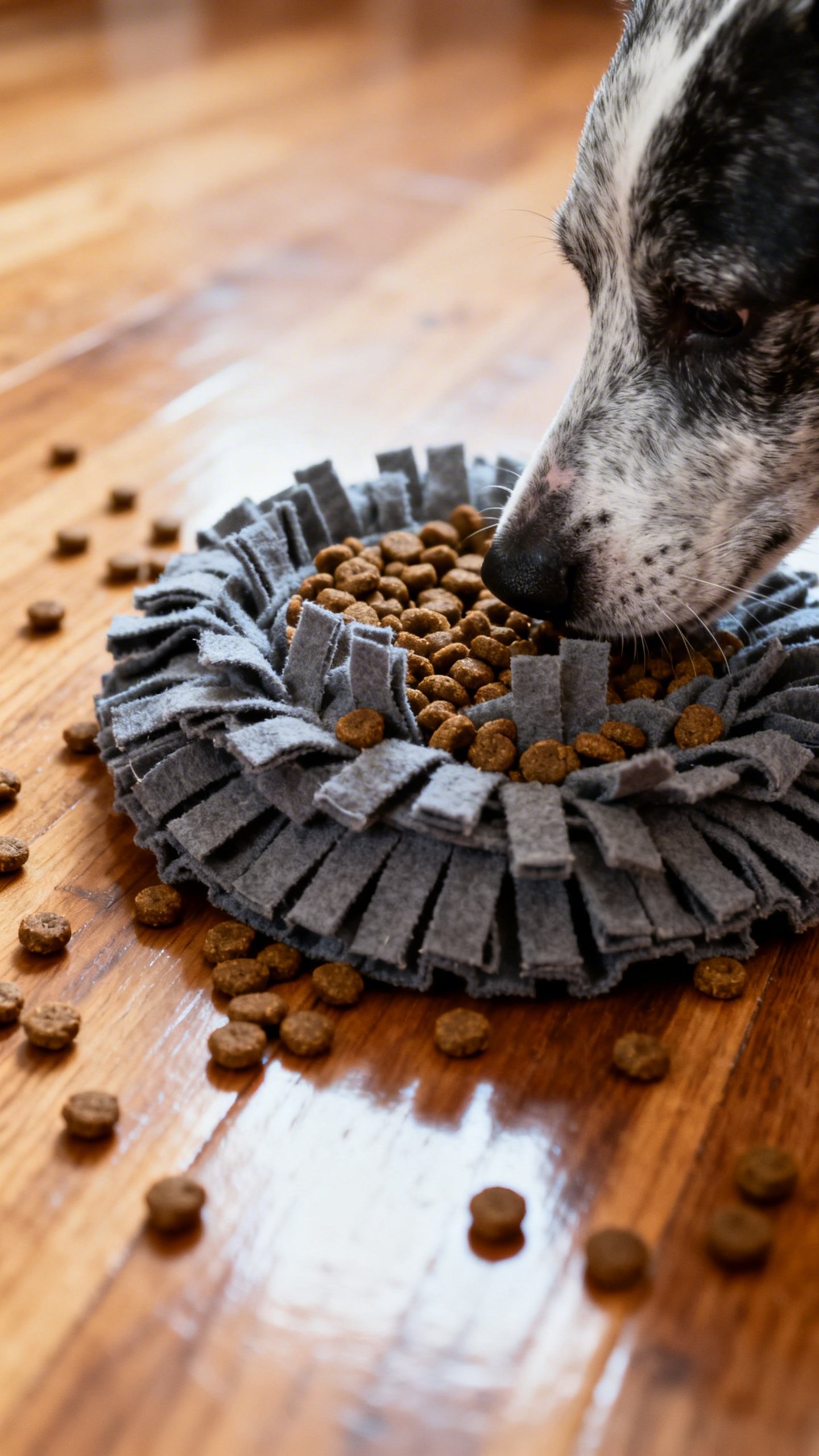
- Snuffle mats: Hide kibble, let them forage.
Natural, soothing, and easy.
- DIY puzzles: Muffin tin + tennis balls + treats = instant genius lab.
- Shell game: Hide a treat under one cup, shuffle slowly, let them choose. Confidence boost unlocked.
- Pattern games: Hand touch, turn, treat—repeat. Predictable structure calms nervous dogs.
Scent Work = Senior Superpower
Noses don’t retire.
Hide treats in boxes around a room. Start easy and help them “win” a lot. Success fuels motivation. Also, it’s adorable.
Consistency Without Boring Your Dog (Or You)
You need repetition, not monotony. Keep cues the same, but change the setting and reward style.
Practice “touch” in the kitchen, backyard, and during commercials. Build reliability without turning training into a snoozefest. Pro tip: Put 10 treats in your pocket every morning. Reward good choices all day—quiet sits, calm greetings, looking at you on walks.
You’ll shape habits without scheduling a single session.
FAQ
How long will it take my older dog to learn a new trick?
It depends on the trick and your dog’s history. Simple behaviors like “touch” often click in one or two short sessions. Complex skills need a week or two.
Keep it fun, pay well, and celebrate small wins. IMO, consistency beats intensity.
Can I still use a clicker with a senior dog?
Yes, if they tolerate the sound. If the click feels sharp for sensitive ears, swap to a softer clicker or use a verbal marker like “Yes!” Pair the marker with treats so it predicts rewards.
The timing boost makes learning faster at any age.
What if my dog has arthritis—what can we train?
Plenty. Stick to low-impact skills like hand targets, chin rests, nose work, mat settles, and shaping calm behaviors. Avoid sits or downs if they look uncomfortable.
Always consult your vet if you see limping, stiffness, or hesitations.
My older dog seems anxious. Will training help?
Absolutely. Clear, bite-sized tasks with frequent rewards build confidence and predictability.
Start with easy wins, use calm voices, and keep sessions short. If anxiety runs high, talk to your vet or a certified trainer for a plan that combines behavior work with possible medical support.
Are senior dogs food-motivated enough for training?
Usually yes, but you might need to upgrade the menu. Try soft, smelly treats and adjust meal portions to keep weight steady.
If appetite drops, check with your vet—pain or dental issues can dampen food drive.
Can I teach old dogs to walk nicely on leash?
Yes, and it’s one of the best senior-life upgrades. Reward any moment the leash loosens. Practice in low-distraction areas first, then level up slowly.
A comfy harness helps a lot.
Wrapping It Up
Old dogs don’t stop learning—they just appreciate good instruction and better snacks. Keep sessions short, rewards awesome, and goals realistic. You’ll see confidence bloom, manners sharpen, and a whole new spark in those wise eyes.
And FYI: the only “trick” you really need is patience—your senior will do the rest.
Related Posts