You brought home a furry tornado who chews socks, naps like a champ, and has no idea what “sit” means. Good news: you can teach your puppy the basics in 30 days without losing your sanity. We’ll map out a simple plan that fits real life, not a fantasy bootcamp.
Ready to turn chaos into “good dog!” moments?
Set Your 30-Day Game Plan
You need a simple structure, not perfection. Think: short, frequent sessions and a consistent routine. Puppies learn fast when you keep things fun and predictable.
- Training sessions: 3–5 minutes, 5–8 times a day.
Tiny brains, tiny lessons.
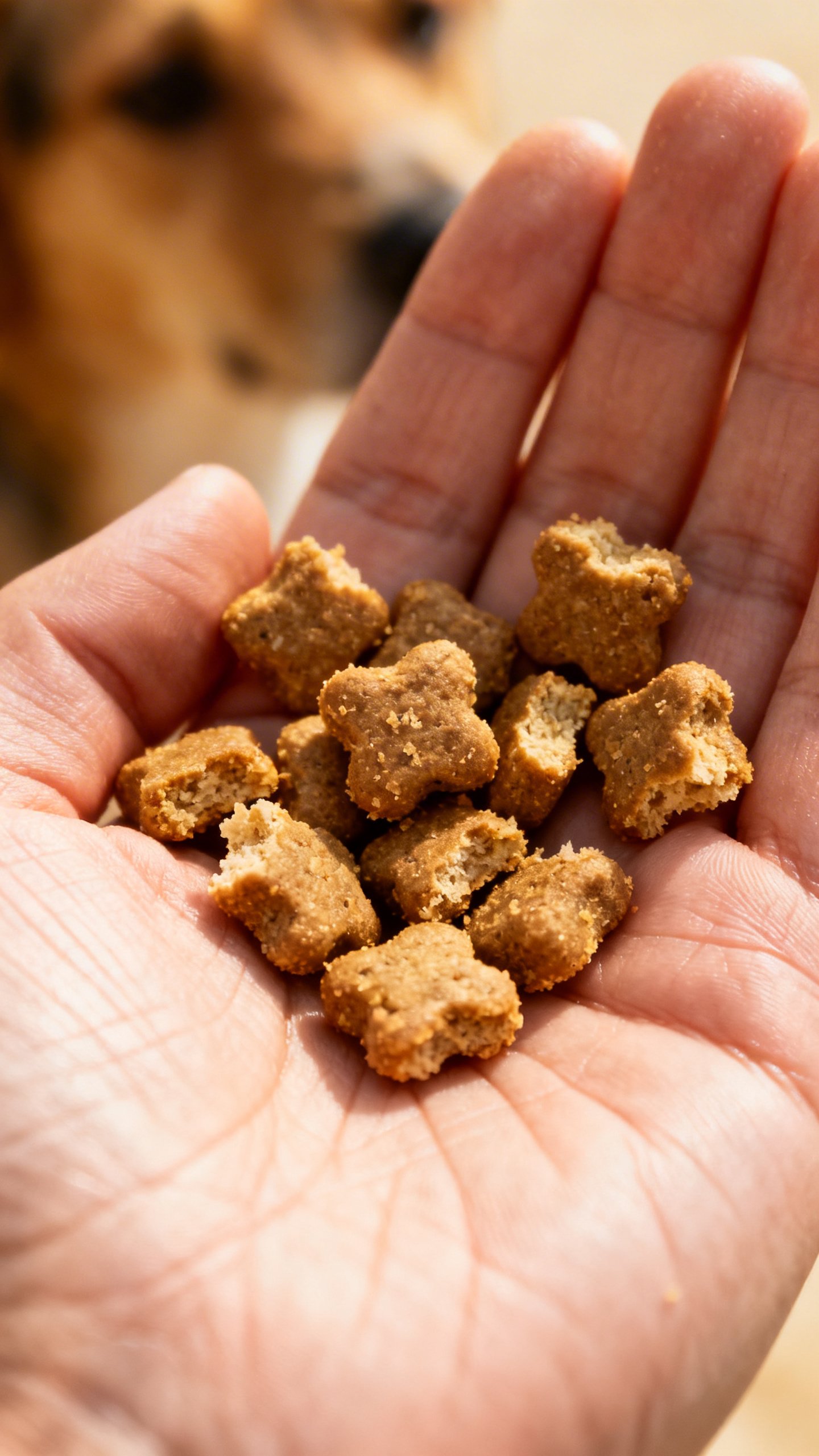
- Rewards: pea-sized treats, praise, and play. Pay well for good choices.
- Environment: quiet spots first, then add distractions later.
- One cue at a time: layer skills, don’t stack them all at once.
Daily Rhythm That Works
- Morning: potty, breakfast, short training (name, sit, hand target).
- Midday: potty, leash practice, crate chill time.
- Evening: potty, manners (leave it, drop it), play, wind-down.
Potty Training Without the Drama
House training = management plus timing. Your puppy won’t guess the rules—you’ll teach them with repetition.
- Take-out schedule: right after waking, after play, after eating, and every 1–2 hours.
- Confine smart: use a crate or playpen between trips.
Puppies don’t soil small sleep spaces—usually.
- Reward immediately: treat within 2 seconds of finishing. Party like it’s the best pee ever.
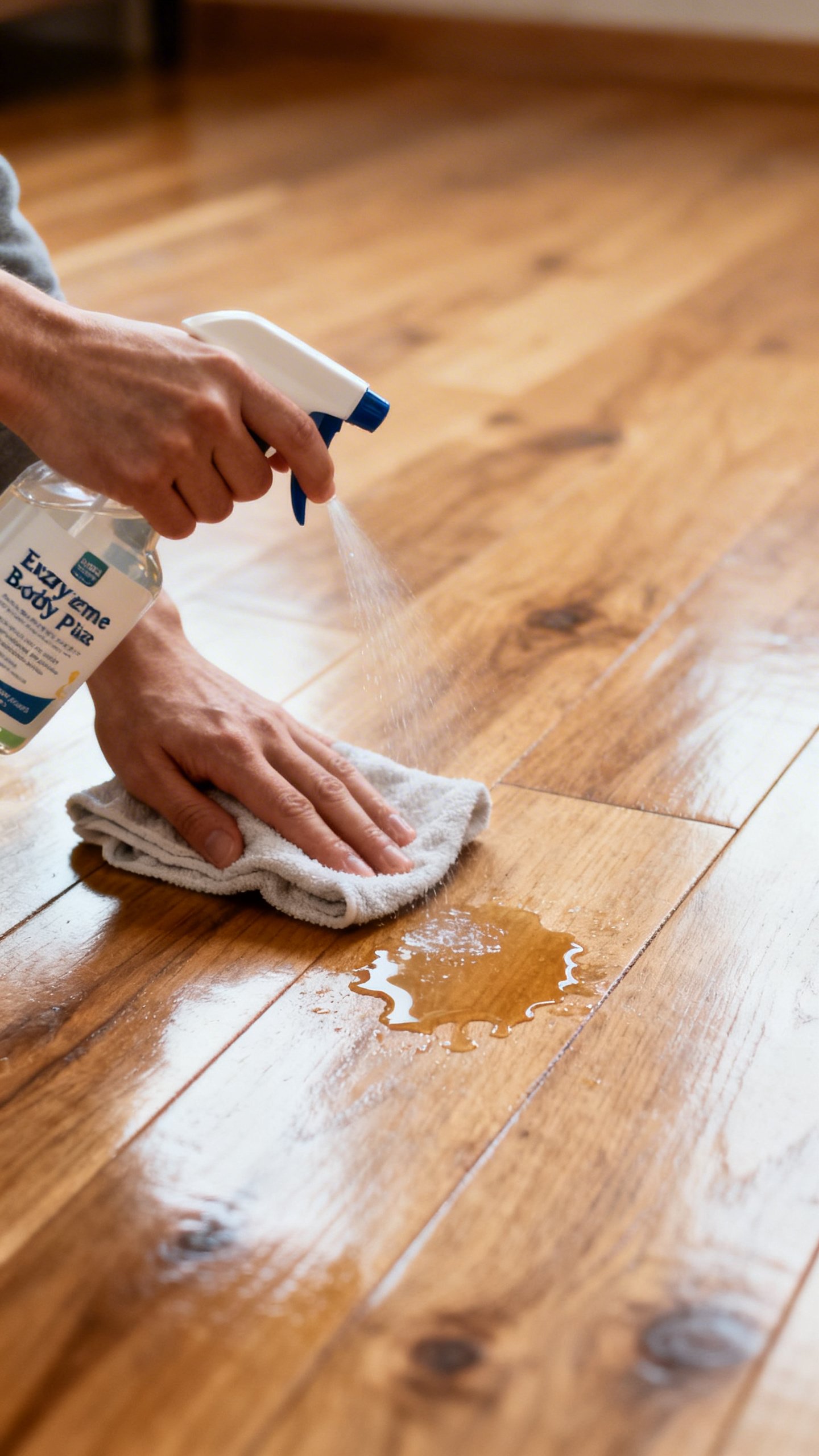
- Accident protocol: clean with enzyme cleaner, skip the scolding. Redirect to outside, reward successes.
Nighttime Strategy
Keep the crate near your bed for the first weeks.
If they whine, take a quick, boring potty trip, then straight back to sleep. No midnight play raves.
Crate Training: Your Sanity Saver
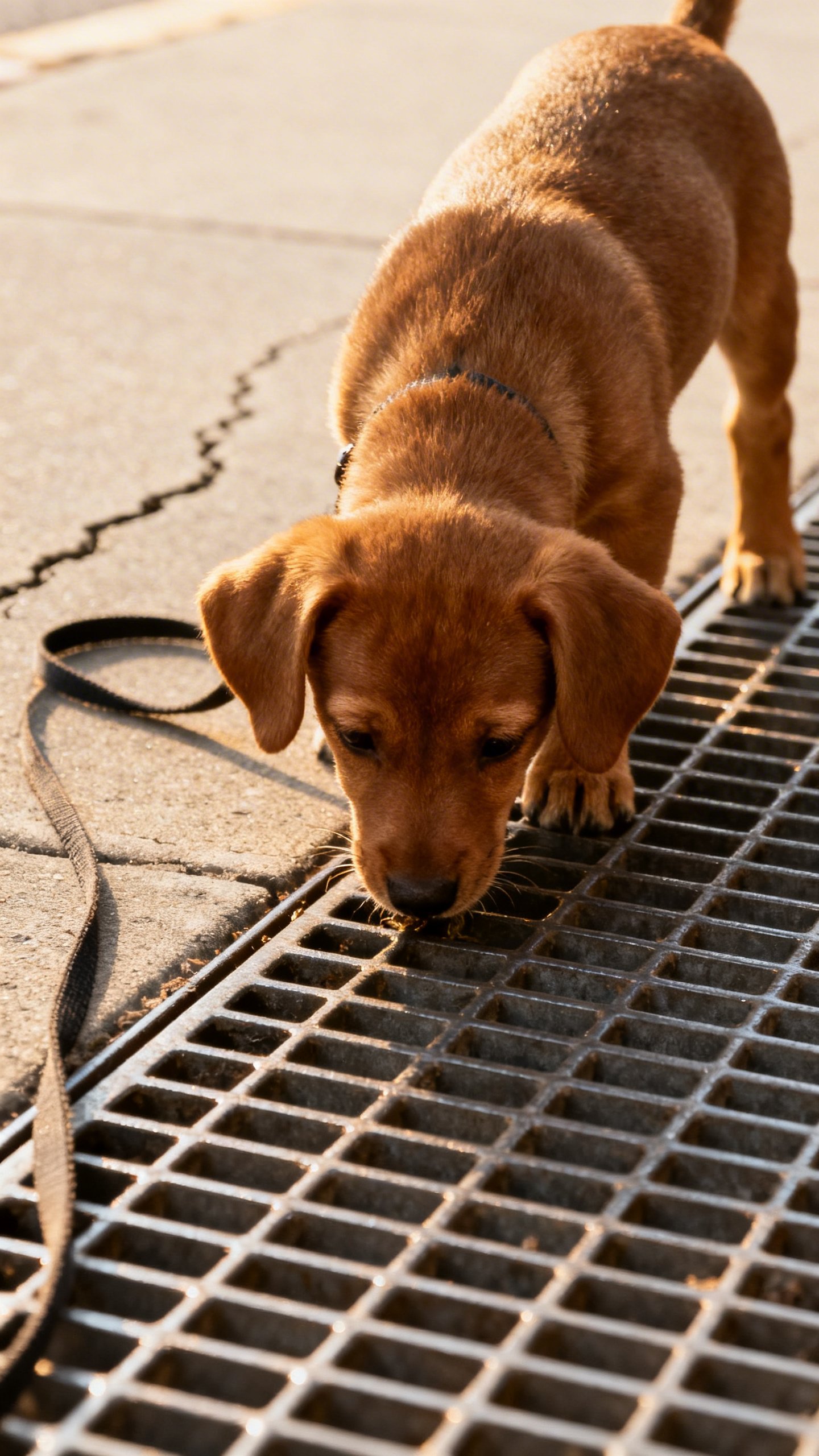
Crates help with potty training and prevent couch-shredding. Done right, they feel safe, not scary.
- Introduce: toss treats in, let pup explore.
Door stays open at first.
- Feed meals inside: good things happen in the crate.
- Short closures: 10–30 seconds, increase gradually. Chew toy inside, calm exits.
- Practice naps: 30–90 minutes after exercise.
Crate Troubleshooting
– Whining immediately: you moved too fast. Shorten duration, add a stuffed Kong. – Whining mid-nap: potty break, then back in.
Keep interactions low-key. – Chewing bars: safer chew options, cover part of crate, consider a pen plus crate combo.
The Core 30-Day Skill Set
Let’s teach the foundations that make everything else easier. FYI, these skills build attention, safety, and manners fast.
Name + Focus
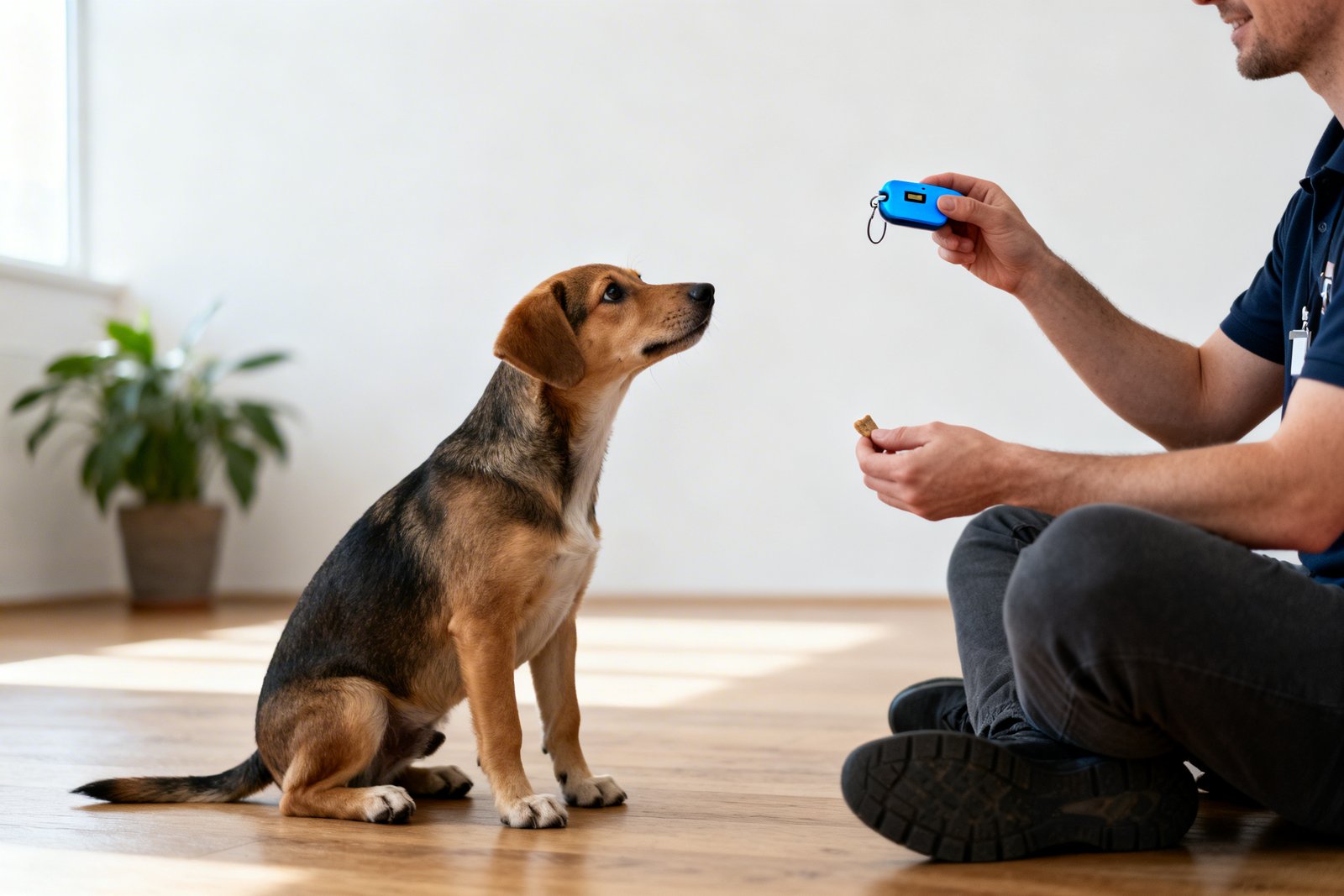
– Say their name once. When they glance at you, mark with “yes!” and treat. – Add a 1–2 second eye contact hold before treating. – Practice everywhere—kitchen, yard, sidewalk.
Sit and Down
– Sit: lure nose up, reward as the butt hits floor.
Add the cue once they do it easily. – Down: from sit, lure straight down and slightly out. Reward calm holds.
Recall (Come When Called)
– Start indoors. Cheerful “Puppy, come!” then run backward.
Reward big. – Use a long line outside. Pay jackpots for fast sprints. Never recall for something your dog hates (like bath time), IMO.
Leave It and Drop It
– Leave it: close treat in fist.
Puppy backs off? Mark and reward from the other hand. Level up with floor treats. – Drop it: trade for something better.
When they spit it out, mark, pay, then sometimes give the original item back. Builds trust.
Leash Skills
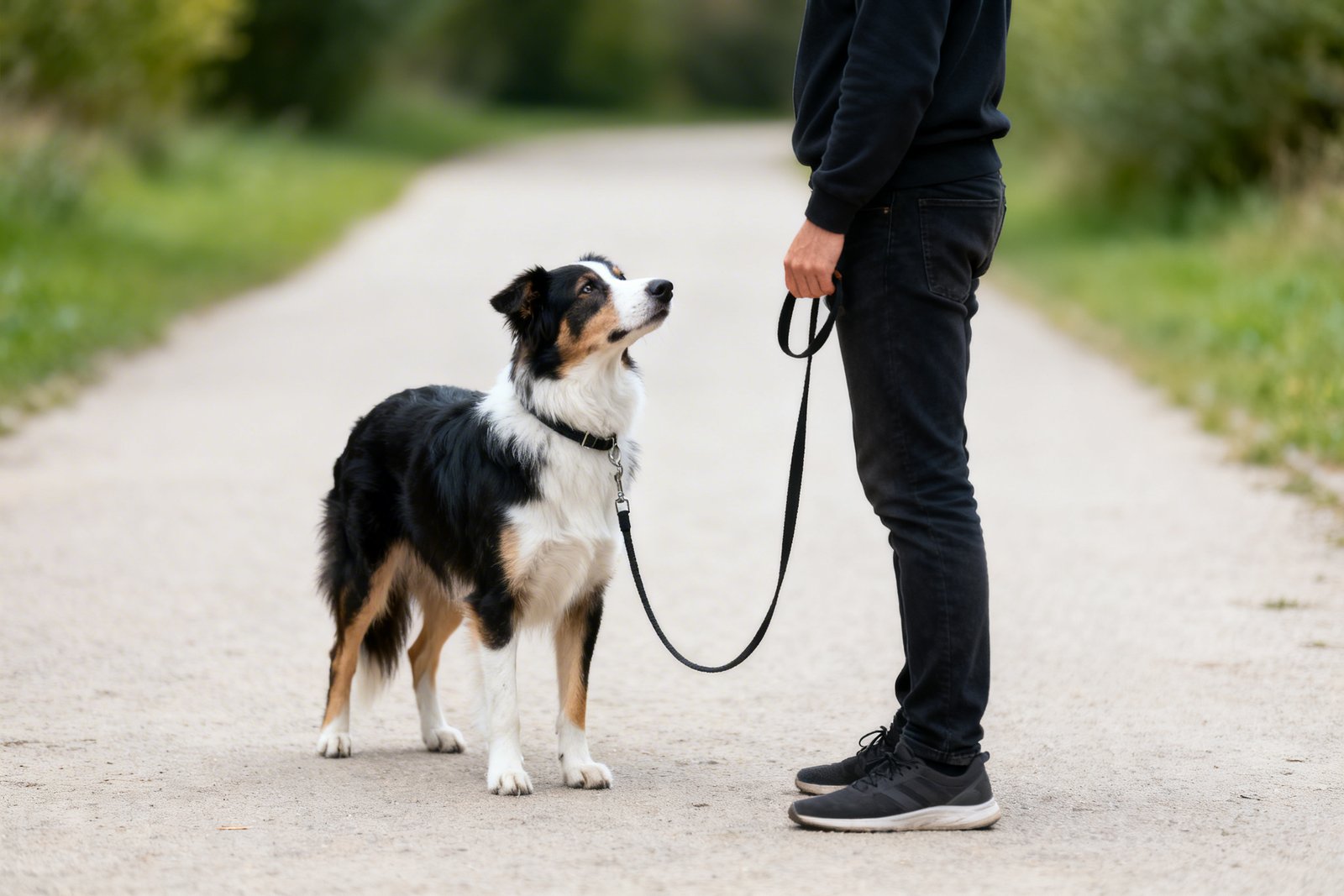
– Reward at your left thigh (or right, your call) for walking near you. – If they pull, stop. Reset when the leash loosens. – Keep first walks short and sweet—sniffing counts as enrichment, not failure.
Socialization That Actually Helps
You don’t need a dog park brawl to “socialize.” You need positive exposure to sights, sounds, surfaces, and people.
- Carry or use a stroller in busy zones pre-vaccines—pair scary stuff with treats.
- Invite dog-savvy friends over.
Reward calm greetings.
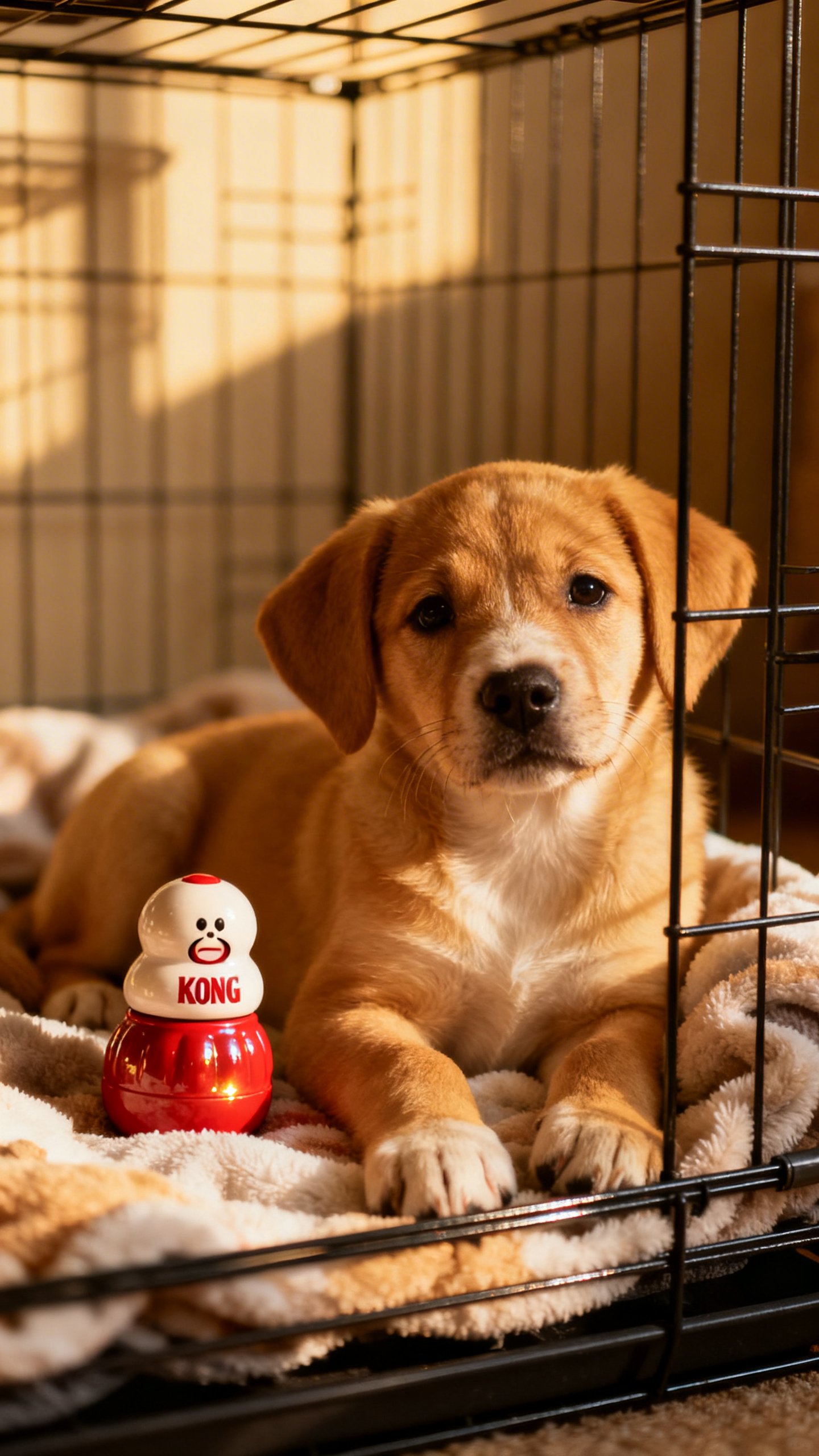
- Surface safari: grass, gravel, wood, metal grates, car rides, gentle handling of paws/ears.
Red Flags to Respect
If your puppy freezes, cowers, or tucks tail, you went too far. Create space, lower intensity, and feed. Confidence grows with success, not pressure.
Bite Inhibition and Manners
Puppies use teeth to learn.
Your job? Teach gentler choices without being a buzzkill.
- Structured play: 60–90 seconds, then a quick pause. Reward sit before resuming.
- Yelps don’t always help: calmly end play if bites get hard.
Offer a chew toy instead.
- Jumping: fold arms, look away. Reward four paws on the floor. Attention teaches faster than lectures.
Chewing Channel
Offer a chew menu: rubber toys, frozen Kongs, braided bully sticks.
Rotate daily. Chewing reduces stress and saves furniture. You’re welcome.
Your 30-Day Timeline (Simple and Realistic)
– Week 1: Potty schedule, crate intro, name/eye contact, sit, short leash walks at home. – Week 2: Down, leave it, drop it, recall indoors, handling practice, short car rides. – Week 3: Recall on long line, calmer greetings, leash walking with mild distractions, solo naps in crate. – Week 4: Add duration (3–5 seconds) to sits/downs, light café patio exposure, reliable potty alerts, settle on mat.
Common Mistakes to Avoid
- Overlong sessions: tired puppies make “bad” choices.
Keep lessons bite-sized.
- Repeating cues: say it once, then help them succeed. Otherwise, you teach them to ignore you.
- Inconsistent rules: couch access isn’t “sometimes.” Pick a lane.
- Underpaying: hard stuff needs better treats. Cheesier = easier, IMO.
FAQ
My puppy keeps peeing inside even with a schedule.
What now?
Tighten management. Shorten free-roam time, add a potty trip every hour for a few days, and reward like crazy outside. Track patterns—many puppies need to go again 10–15 minutes after drinking or zoomies.
If accidents continue or urine seems off, chat with your vet.
How many treats is too many?
Use tiny pieces—think pea-sized or smaller. Balance with part of their meal to avoid overfeeding. You can also rotate in non-food rewards: tug, fetch, or access to sniffing.
The goal is frequent reinforcement without a pudgy pup.
When can I start training outside?
Right away, but start easy. Practice in your yard or a quiet sidewalk with super tasty rewards. As your puppy succeeds, slowly add distractions.
Keep them on a long line until recall gets rock solid.
What if my puppy hates the crate?
Go slower. Feed every meal in the crate, add a stuffed Kong, and close the door for seconds, not minutes, at first. Keep exits calm.
If your puppy panics (salivates, scratches frantically), pause and consult a trainer—some pups need a playpen-plus-crate transition.
Do I need puppy classes?
Classes help a ton with structure, socialization, and handler skills. Look for positive reinforcement-based trainers who keep class sizes small. Great classes build confidence and teach you how to read body language.
Not mandatory, but highly recommended.
How much exercise should my puppy get?
Short bursts, often. Mix mental work (training, scent games) with safe physical play. Rule of thumb: a few short walks plus play sessions beat one marathon outing.
Overexercising growing joints isn’t a flex—save the long hikes for adulthood.
Conclusion
Thirty days won’t create a robot, but it will build a smart foundation: potty habits, crate comfort, core cues, and a curious, confident mindset. Keep sessions short, rewards awesome, and expectations realistic. You’ll look up in a month and realize you’ve got a teammate, not a tiny chaos gremlin.
That’s the win, FYI.
Related Posts