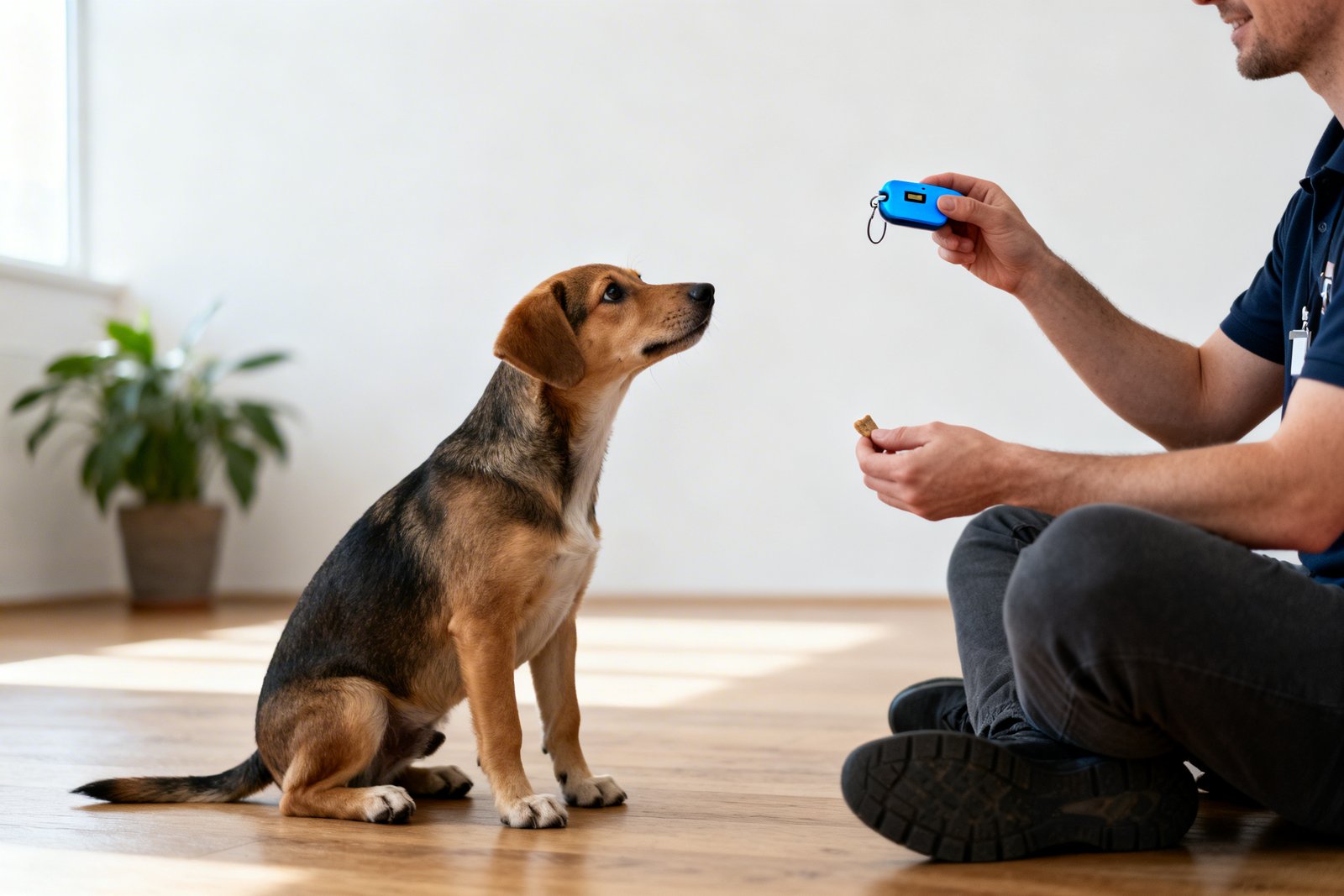
Crates don’t have to feel like puppy jail. When you do it right, your dog sees a crate as a cozy den, not a punishment. You get a safer home, a calmer dog, and a little peace of mind when you actually leave the house without chewing anxiety.
Sound good? Let’s make crate training easy, kind, and stress-free—for both of you.
Why Crate Training Works (And Isn’t Mean)
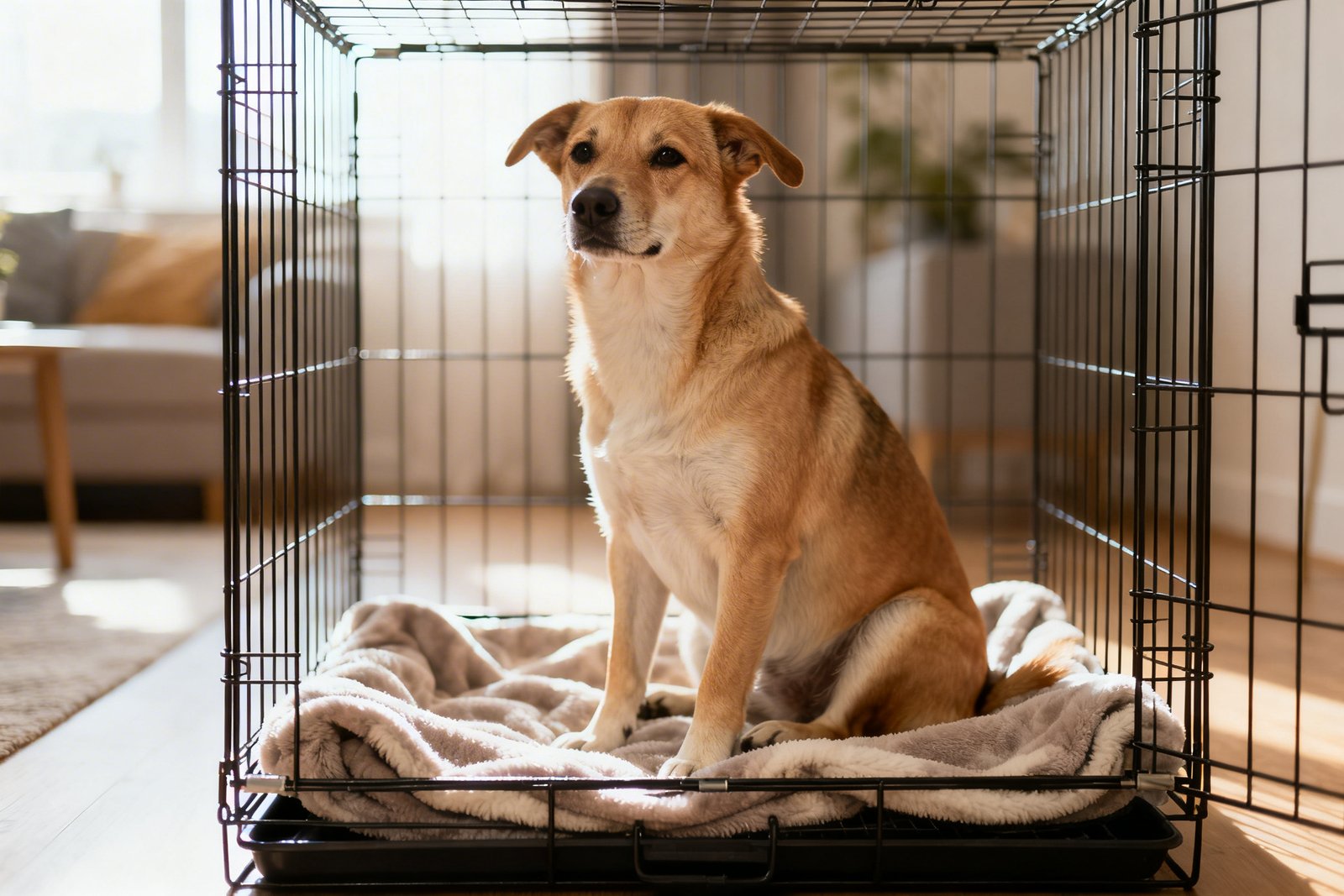
Crates tap into a dog’s natural denning instincts. They like small, safe spaces where no vacuum monster or doorbell intruder can sneak up on them.
When you build positive associations, the crate becomes their bedroom, not a timeout corner. Crate training protects your dog and your stuff. Puppies don’t chew the couch if they nap in a crate. Adult dogs don’t eat mystery objects while you shower. Everyone wins. It also helps with potty training. Most dogs avoid soiling their sleep space.
With smart timing, your dog learns bladder control faster. FYI, no dog arrives pre-installed with this feature.
Pick the Right Crate (Size Matters, A Lot)
You want Goldilocks sizing: not too big, not too tiny. Your dog should stand up, turn around, and sprawl comfortably—no yoga required.
Too much extra space can slow potty training and make the crate feel less den-like.
Crate Types: Pros and Cons
- Wire crates: Great airflow, foldable, easy to clean. Add a cover for coziness.
- Plastic kennels: More den-like, awesome for travel, easy wipe-down.
- Furniture-style crates: Pretty, pricy, and less portable. Choose only if ventilation and size check out.
- Soft crates: Lightweight and comfy, but not for chewers or escape artists.
Must-Have Accessories
- Mat or bed: Washable, chew-resistant, and cozy.
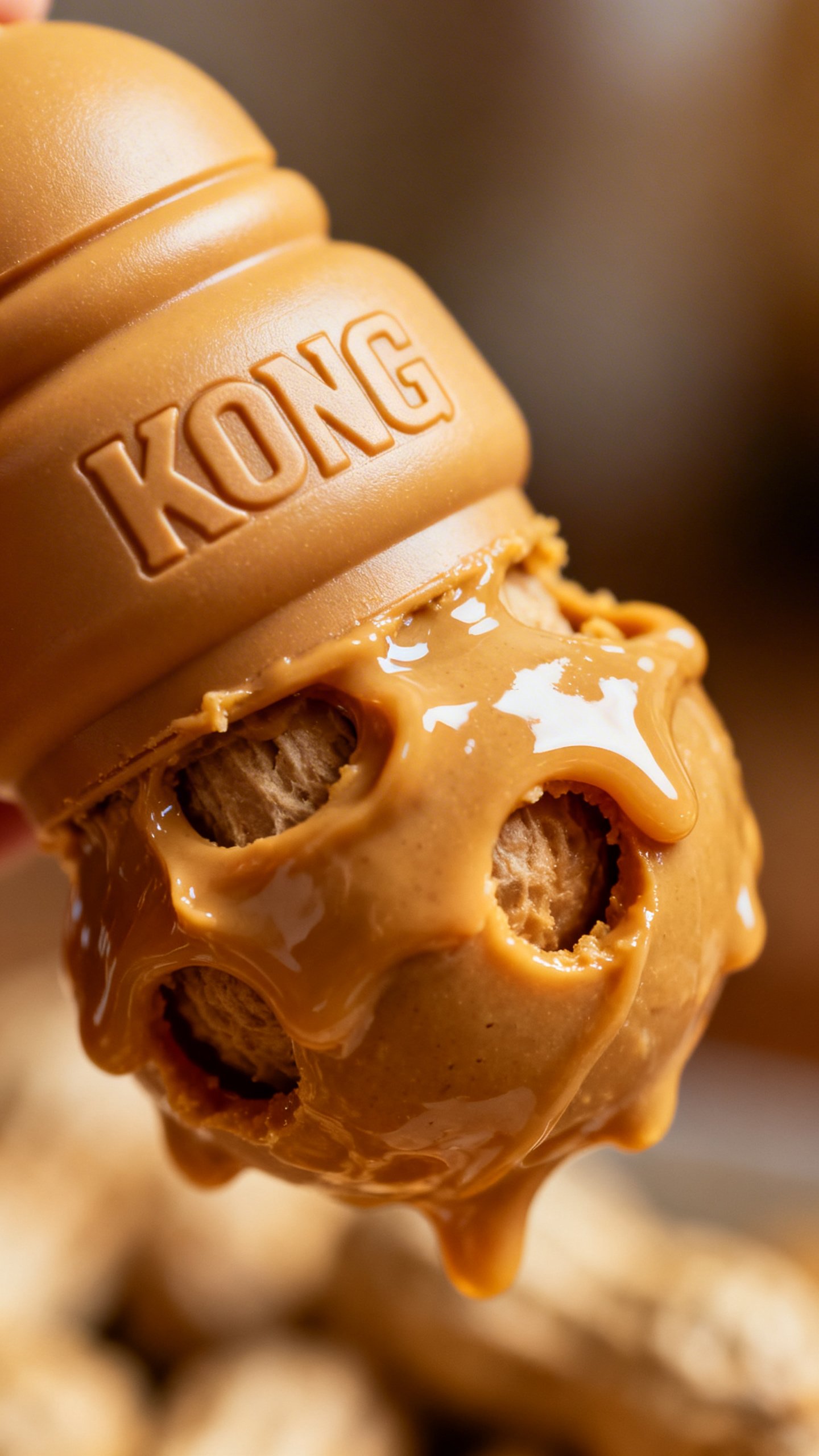
- Chew-safe toy: A stuffed Kong or durable chew to make crate time rewarding.
- Cover (optional): Reduces visual stimulation for hyper pups.
The 7-Day Gentle Start Plan
Yes, you can kick this off in a week.
No, you shouldn’t rush. We’ll pair the crate with food, fun, and naps so your dog chooses the crate on their own. IMO, this beats bribery alone and avoids meltdowns.
Day 1–2: The Crate = Snack Dispenser
- Leave the crate door open.
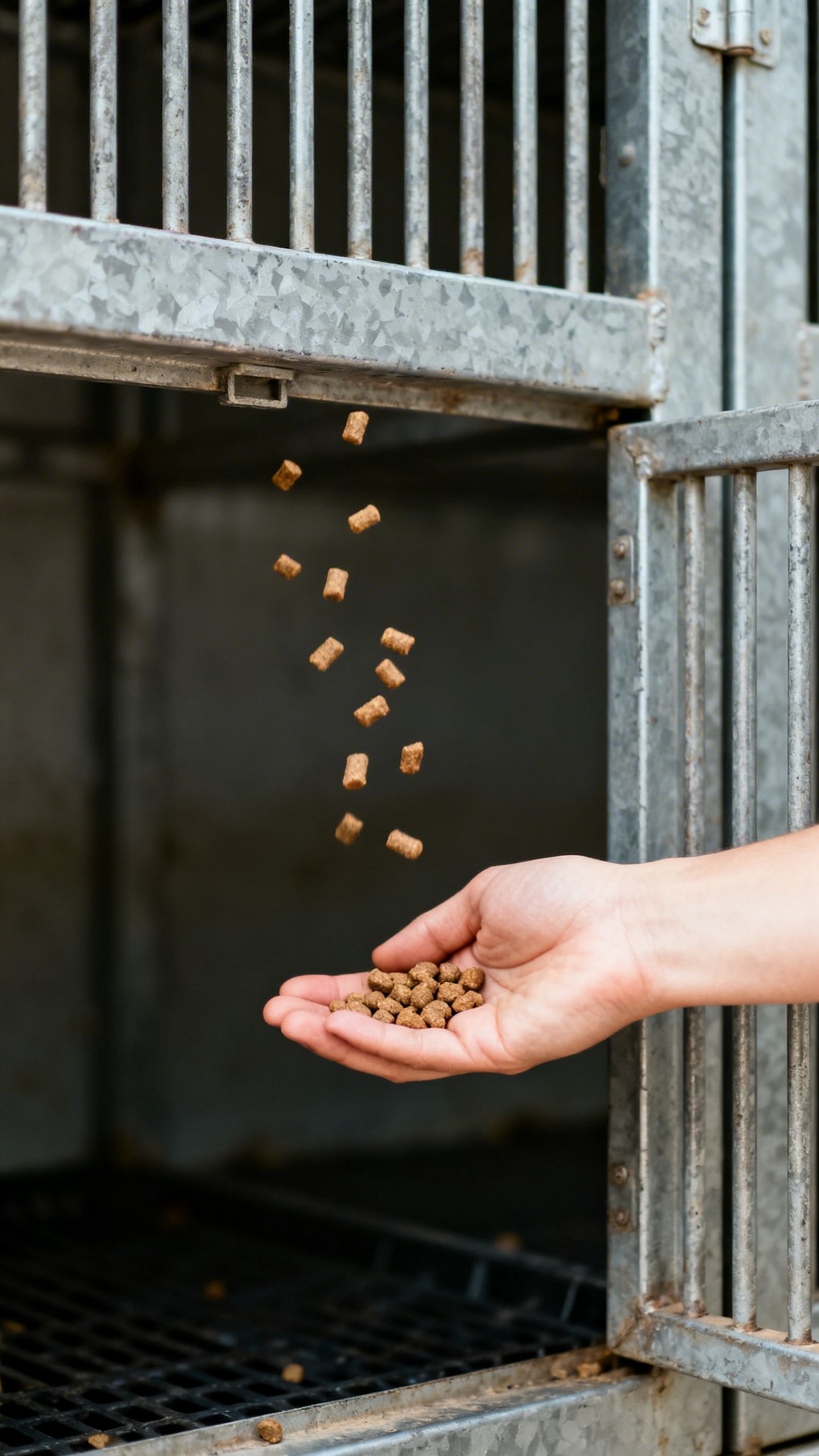
Toss treats just inside the doorway. Mark calm interest with a cheerful “yes.”
- Feed meals in the crate. Bowl at the front first, then inch it back each meal.
- End on success.
Don’t shut the door yet. Keep it low-pressure.
Day 3–4: Short and Sweet With the Door Closed
- Ask for a “crate” cue, toss a treat in, let your dog go inside.
- Close the door for 10–30 seconds while you sit nearby. Feed a treat through the bars.
- Open the door before whining starts.
We want quiet = freedom, not noise = freedom.
Day 5–6: Add Distance and Duration
- Crate your dog with a stuffed Kong after a play session. Tired brain = calm dog.
- Walk around the room, then step out for a few seconds. Return, drop a treat, and leave again.
- Gradually build to 5–10 minutes out of sight.
Keep sessions short and positive.
Day 7: Real-Life Practice
- Do a normal routine: potty break, light play, crate with a chew, calm exit.
- Start with 15–30 minutes away. Use a pet cam if possible. No dramatic reunions—just a casual “good dog” and potty break.
Pro tip: If your dog shows panic (barking nonstop, heavy panting, drooling, escape attempts), slow down or consult a trainer.
We’re building comfort, not gritting through fear.
Make the Crate a Vibe
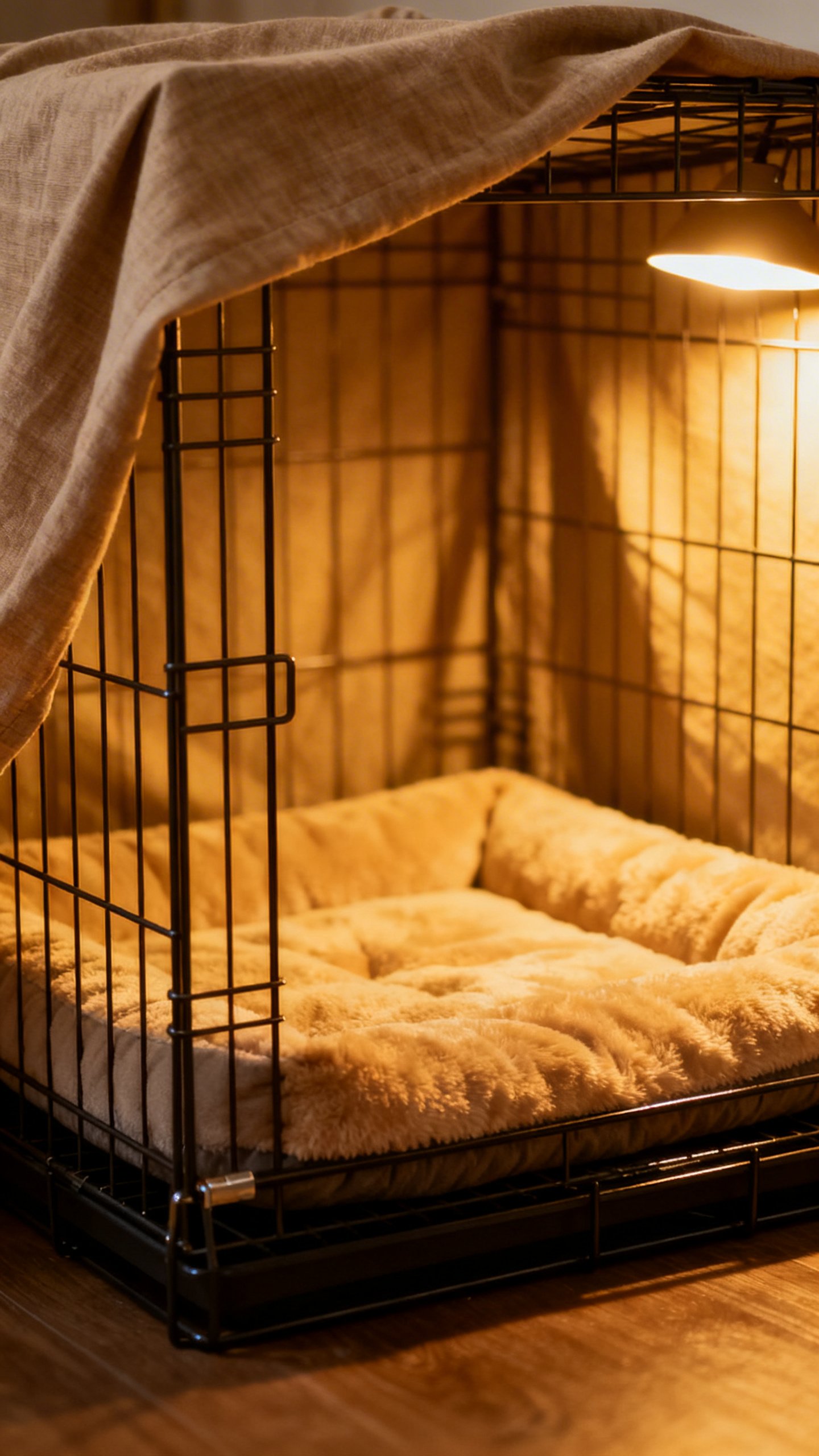
We want your dog to feel like the crate is the best seat in the house. You control the ambiance. Soft lighting?
Basically yes.
- Location: Put the crate where life happens, not the garage. Bedrooms at night, living room by day works great.
- Routine: Potty, play, crate, nap. Repeat.
Structure beats chaos every time.
- Special treats only in the crate: Freeze Kongs with wet food, peanut butter (xylitol-free), or pumpkin. Save the good stuff for crate time.
- Calming add-ons: White noise, a crate cover, or your worn T-shirt can help sensitive dogs.
What Not To Do
- Don’t use the crate as punishment. You’ll poison the association fast.
- Don’t over-crate. Puppies need frequent potty breaks. Adult dogs need exercise and mental work, not all-day naps in a box.
- Don’t cave to whining. Wait for a brief pause before opening.
Reward calm, not drama.
Potty Training + Crate Training: Dynamic Duo
Crate training shines when you pair it with a smart potty schedule. The crate buys you time, but you still need consistency.
Suggested Potty Schedule
- Puppies: Every 2–3 hours during the day, plus after meals, naps, and play.
- Adults: Every 4–6 hours, with a walk after waking and before bedtime.
- Night time: Puppies may need one quick break depending on age and size.
Signs your dog needs to go: Restlessness, sniffing, circling, beelining for the door. When in doubt, take them out.
Accidents happen—clean with enzymatic cleaner and move on.
Common Hiccups (And How to Fix Them)
Every dog writes their own blooper reel. You’ll handle it.
Whining in the Crate
- Check needs: potty, water, temperature, exercise. Meet those first.
- Wait for a 2–3 second pause before opening the door.
Reward calm exits.
- Shorten sessions and add better chews. Build again slowly.
Refusing to Enter
- Supercharge rewards: smear peanut butter on the back wall, toss a jackpot of treats.
- Feed all meals in the crate for a week. Door open, no pressure.
- Practice “crate” cue 5 times a day, tiny reps, big praise.
Chewing or Digging
- Swap bedding to tougher options or a rubber mat temporarily.
- Increase exercise and enrichment: sniff walks, puzzle feeders, training games.
- Try a covered crate to reduce visual triggers.
Stressed When You Leave
- Warm-up departures: shoes on/off, keys jingle, sit back down.
Break the pattern.
- Leave a food puzzle that outlasts your exit by a few minutes.
- If panic escalates, talk to a certified trainer—true separation anxiety needs a tailored plan.
Crate Time Guidelines (So You Don’t Overdo It)
General rule of thumb:
- Puppies: Age in months + 1 hours max during the day (with breaks).
- Adults: Up to 4–6 hours with exercise before and after.
- Overnight: Fine, as long as potty needs are met.
Balance crate time with:
- Physical exercise: Walks, fetch, tug.
- Mental work: Short training sessions, scatter feeding, puzzles.
- Social time: Cuddles, play, chill on the couch. Dogs are family, not furniture.
FAQ
Should I cover the crate?
If your dog relaxes with fewer visual distractions, a cover helps. Leave at least one side open for airflow, especially with wire crates.
If your dog overheats or chews the cover, skip it.
What if my puppy pees in the crate?
Take a step back. Reduce water an hour before bedtime, add a middle-of-the-night potty break, and size the crate correctly. Clean with an enzymatic cleaner so the scent doesn’t invite repeat performances.
Can I crate two dogs together?
Nope.
Each dog needs their own space and safe zone. You can place crates side by side for comfort, but avoid roommate situations inside a single crate.
How do I phase out the crate later?
Test short periods of freedom after exercise. Start with one room, then expand access.
If your dog stays calm and accident-free, keep going. If chaos returns, no shame—bring the crate back temporarily.
Is it okay to crate my dog while I work?
It depends on age, exercise, and breaks. If you work long hours, hire a dog walker or use a midday play session.
Long, daily crate marathons aren’t fair or healthy.
What should I put in the crate?
A comfy mat, a safe chew, and sometimes water for longer stints. Skip anything your dog shreds into confetti. Safety first; vibe second.
Final Thoughts
Crate training doesn’t need drama or guilt.
Pair the crate with food, comfort, and routine, and your dog will treat it like a personal lounge. Take it slow, celebrate tiny wins, and keep your sense of humor—because yes, you will step on a squeaky toy at midnight. And FYI, once your dog loves their crate, you’ll wonder why you didn’t start sooner.
Related Posts