You don’t wait for a leak to flood the basement before fixing the pipe, right? Same deal with separation anxiety. Whether you’re prepping a new puppy, helping a clingy older dog, or training a kiddo with big feelings, you can build everyday habits that stop anxiety before it even thinks about moving in.
Let’s set you up with simple, repeatable moves that work.
Understand What Triggers Separation Anxiety
Separation anxiety doesn’t show up out of nowhere. It grows from patterns. If you always cuddle like you’re never coming back, your buddy learns that departures = drama. Common triggers:
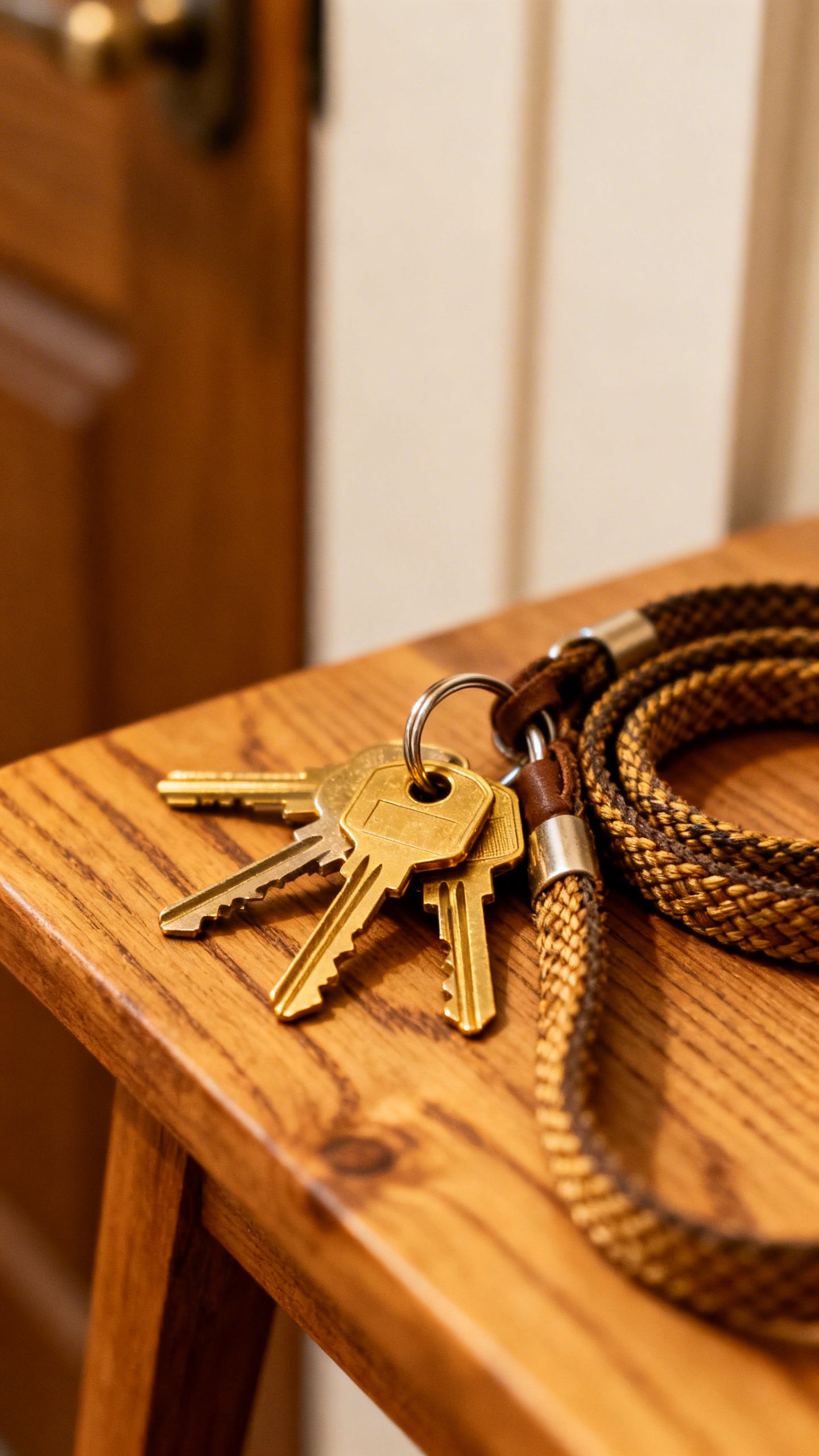
- Predictable exit cues: keys jingling, shoes on, bag by the door.
- Big emotional goodbyes: long hugs, guilt face, frantic reassurance.
- Inconsistent routines: sometimes you’re gone 10 minutes, sometimes 10 hours, no warning.
- Boredom and unmet needs: energy with nowhere to go turns into stress.
Quick mindset shift
Treat departures and returns like you treat brushing your teeth: boring, predictable, not a big deal.
If you keep it chill, your buddy learns to keep it chill too.
Make Alone Time Normal (Start Tiny)
You don’t cure anxiety by “toughing it out.” You prevent it by building tolerance in tiny doses. Think reps, not marathons. How to build tolerance fast:
- Micro-absences: Step into another room for 10–30 seconds. Close the door.
Come back like nothing happened. Repeat 5–10 times a day.
- Randomize it: Leave at different times and for different durations so your routine doesn’t become a neon sign that screams “PANIC NOW.”
- Level up slowly: 30 seconds → 2 minutes → 5 minutes → 10 minutes. If you see stress (whining, pacing, crying), drop back a level and go slower.
Pro tip
Pair short absences with a special chew, puzzle, or calming playlist.
Over time, your absence predicts something good. Pavlov would be proud.
Create a Calm-Down Zone That Actually Works
We love a cozy nook. Your anxious friend does too—if you set it up right.
This isn’t punishment; it’s a safe retreat. Build the zone:
- Choose a quiet spot away from windows and busy hallways.
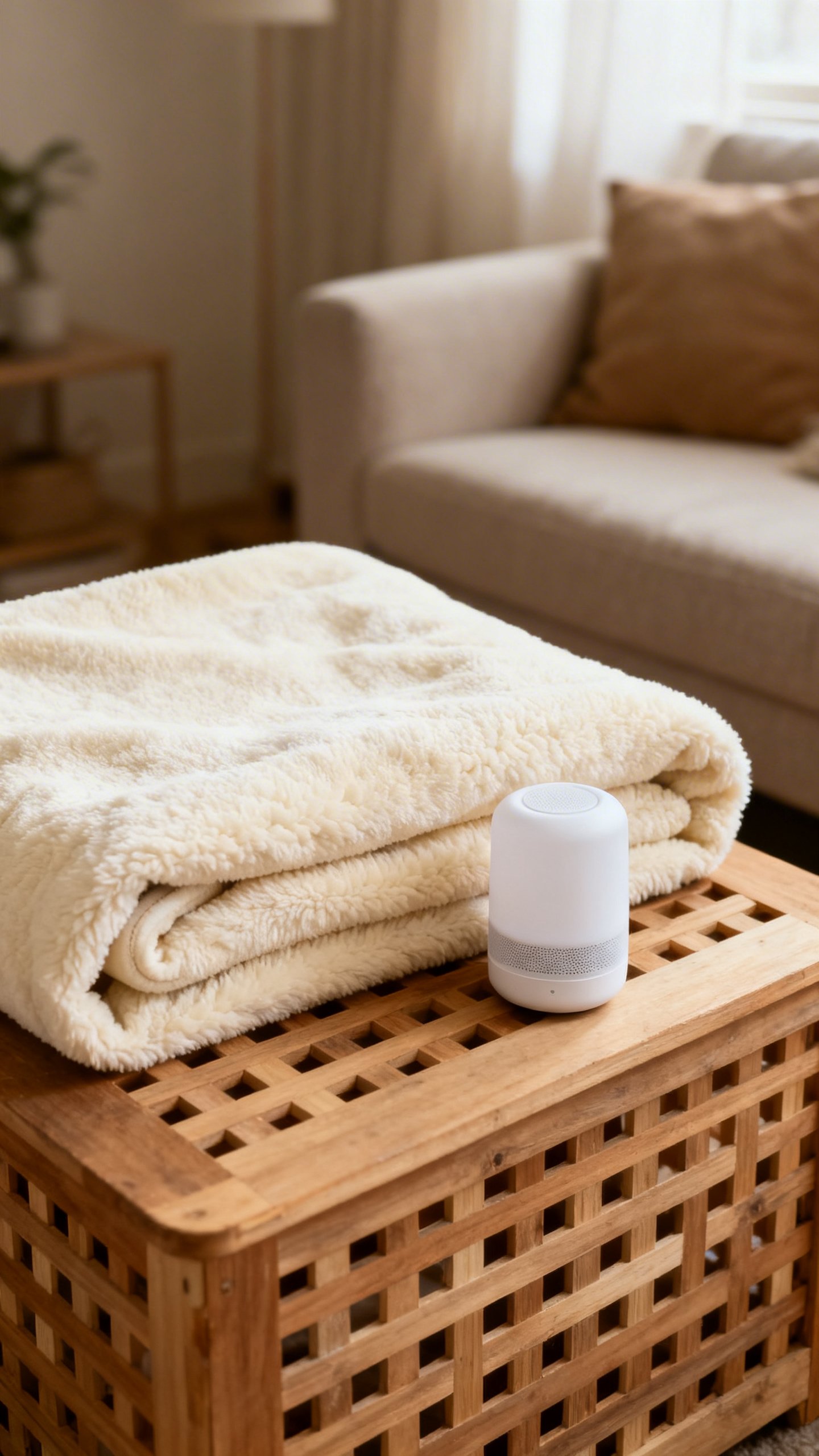
- Add comfort: bed or crate, soft blanket, familiar-smelling item, white noise or soft music.
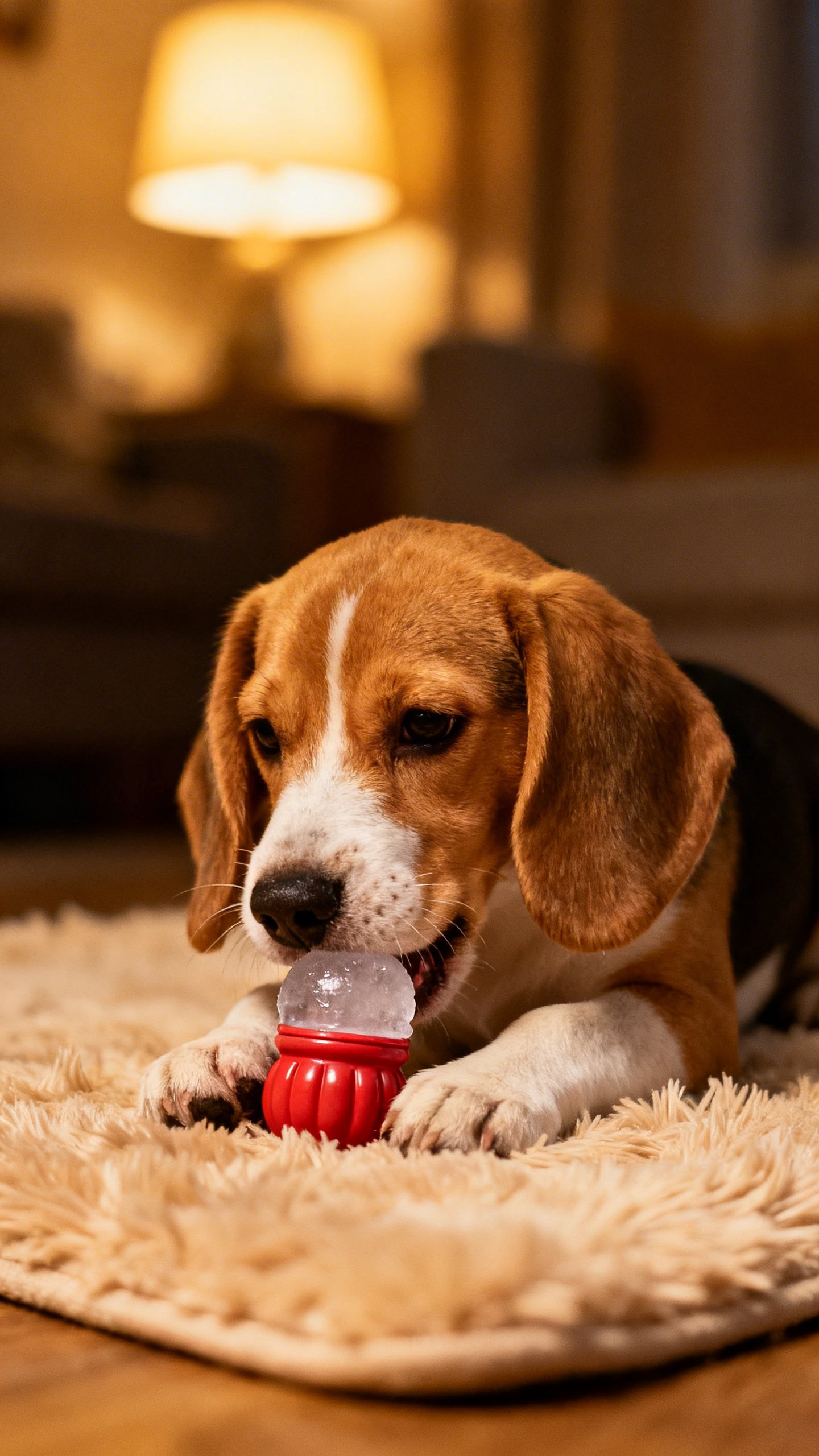
- Enrichment on tap: long-lasting chews, snuffle mats, puzzle feeders, frozen Kong-style treats.
Crate or no crate?
Use a crate only if your dog already likes it. If the crate = jail, skip it and make a playpen or gated room. Your goal: containment without stress.
IMO, freedom plus enrichment beats a forced crate any day.
Meet Their Needs Before You Leave
Anxious brains get a lot quieter when bodies feel satisfied. Tired, fed, and enriched = less time to spiral. Before you head out:
- Exercise: 20–40 minutes of age-appropriate movement. Walks, fetch, flirt pole, training games.
- Food: feed a normal meal or hide kibble in a puzzle.
A full brain belly naps better.
- Training: 5 minutes of easy cues (sit, down, stay) to boost confidence.
Energy matters
High-intensity play right before you leave can amp some dogs up. If yours gets wired, switch to sniffy walks or gentle brain games. FYI: sniffing lowers arousal like magic.
Make Departures and Returns Boring
This is the hardest part because you love them.
But we need poker face energy. When you leave:
- Keep it brief: one calm “see you soon.”
- No last-minute affection frenzy.
- Set them up with a chew or puzzle and then go.
When you return:
- Ignore the initial hype for 30–60 seconds.
- Put your stuff down, breathe, then greet them calmly.
- Reward calm, not chaos. Yes, it feels mean. No, it’s not.
Drop the exit cues
Pick up keys randomly.
Put on your shoes and then make a sandwich. Normalize your cues so they stop predicting abandonment.
Teach “Settle” and Confidence on Cue
If your buddy can relax on purpose, you just unlocked easy mode. Teach a settle:
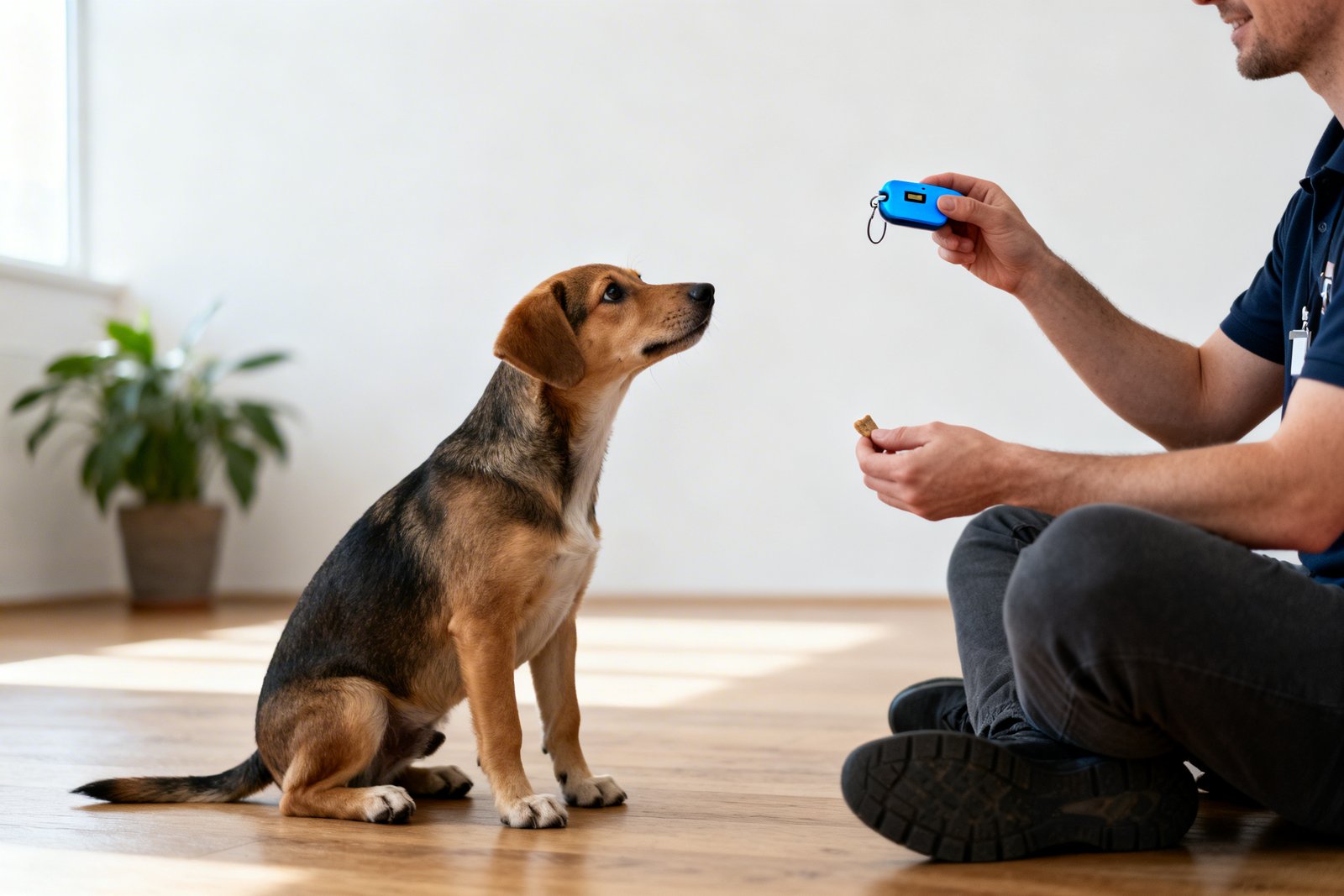
- Lay a mat down. When your dog touches or lies on it, mark and treat.
- Build duration: treat every few seconds while they chill on the mat.
- Add distance: take one step away, return, treat.
Work up to leaving the room.
Confidence builders:
- Shaping games: reward curiosity and small tries.
- Easy wins: teach simple tricks; competence reduces anxiety.
- Novelty walks: new smells, new routes—safe variety boosts resilience.
For kids or humans
Same concept, different props. Build a cozy corner, practice “independent play” for a few minutes, and praise calm focus. Gradually stretch the time.
Screens don’t count as independent play—sorry, not sorry.
Use Smart Tools, Not Bandaids
Gadgets help, but strategy wins. Blend both. Useful tools:
- Pet cameras: watch for early stress signs and adjust your plan.
- White noise or brown noise: masks outdoor triggers.
- Calming aids: pheromone diffusers, pressure wraps, or vet-approved supplements. Check with your vet first, IMO.
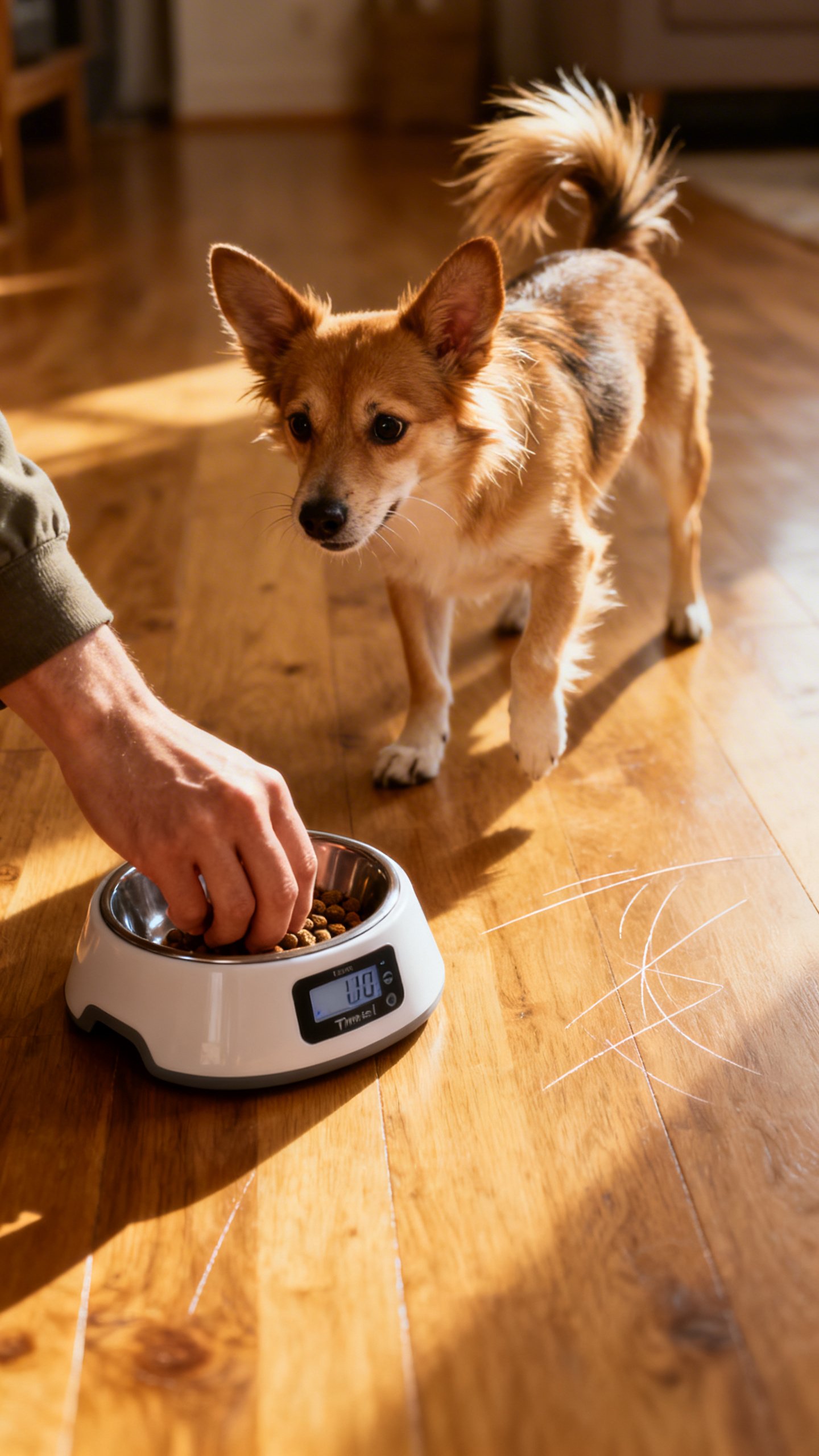
- Timed feeders: drop treats after you leave to reinforce quiet.
What to skip
Don’t use punishment or “bark collars.” You’ll suppress symptoms and supercharge the actual anxiety.
That’s like muting the fire alarm while the kitchen burns.
Build a Predictable Routine (But Keep It Flexible)
Routines create emotional safety. Flexibility prevents obsession. You want both. Daily rhythm ideas:
- Morning: exercise, breakfast puzzle, short alone-time rep.
- Midday: calm enrichment or nap time.
- Afternoon: training game, sniffy walk, micro-absence.
- Evening: chill time, light play, bedtime routine.
Mix up the exact times.
Keep the sequence vibe. Predictable, not rigid.
FAQ
How long can I leave a dog alone without causing anxiety?
It depends on age, training, and temperament. Puppies and new rescues need very short stints (minutes).
Many adult dogs can handle 4–6 hours with proper exercise, enrichment, and practice. Watch the camera: if you see pacing, howling, or constant vigilance, you pushed too far. Scale back and rebuild.
What if my dog already shows signs of separation anxiety?
Dial it back to the smallest duration where they stay calm, then rebuild slowly.
Add high-value chews, white noise, and daily exercise. Consider a certified trainer or behavior consultant if the anxiety looks severe—like drooling puddles, escape attempts, or destructive chewing near exits. Professional help saves time and heartbreak.
Do cats get separation anxiety too?
Yep, they just express it differently.
Clinginess, vocalizing, inappropriate elimination, or overgrooming can all signal stress. Rotate toys, use food puzzles, give vertical space, and practice brief separations. Keep arrivals and departures low-key, and use a camera to check behavior.
Can I use CBD or calming supplements?
Some pets benefit, but quality varies wildly.
Talk to your vet first about safe products and doses, especially if your pet takes other meds. Supplements work best as part of a training plan—not a replacement for it.
Is daycare or a dog walker a good idea?
Often, yes. A mid-day walk or play session breaks up long stretches alone and drains energy.
Pick calm, well-managed daycares; overstimulating ones can make things worse. Trial a few days and watch behavior at home afterward.
How fast will this work?
You’ll usually see small wins within a week—settling faster, less whining, better nap quality. Full confidence can take weeks to months, especially with sensitive dogs.
Consistency beats intensity every time.
Conclusion
You don’t need superhero powers to stop separation anxiety—you need tiny, consistent reps and a chill vibe. Normalize alone time, meet basic needs, make exits boring, and reward calm like it’s your job. Keep it lightweight, keep it playful, and adjust as you go.
Do that, and anxiety never gets a foothold. FYI: your future self will thank you when you can leave the house without the guilt soundtrack.
Related Posts