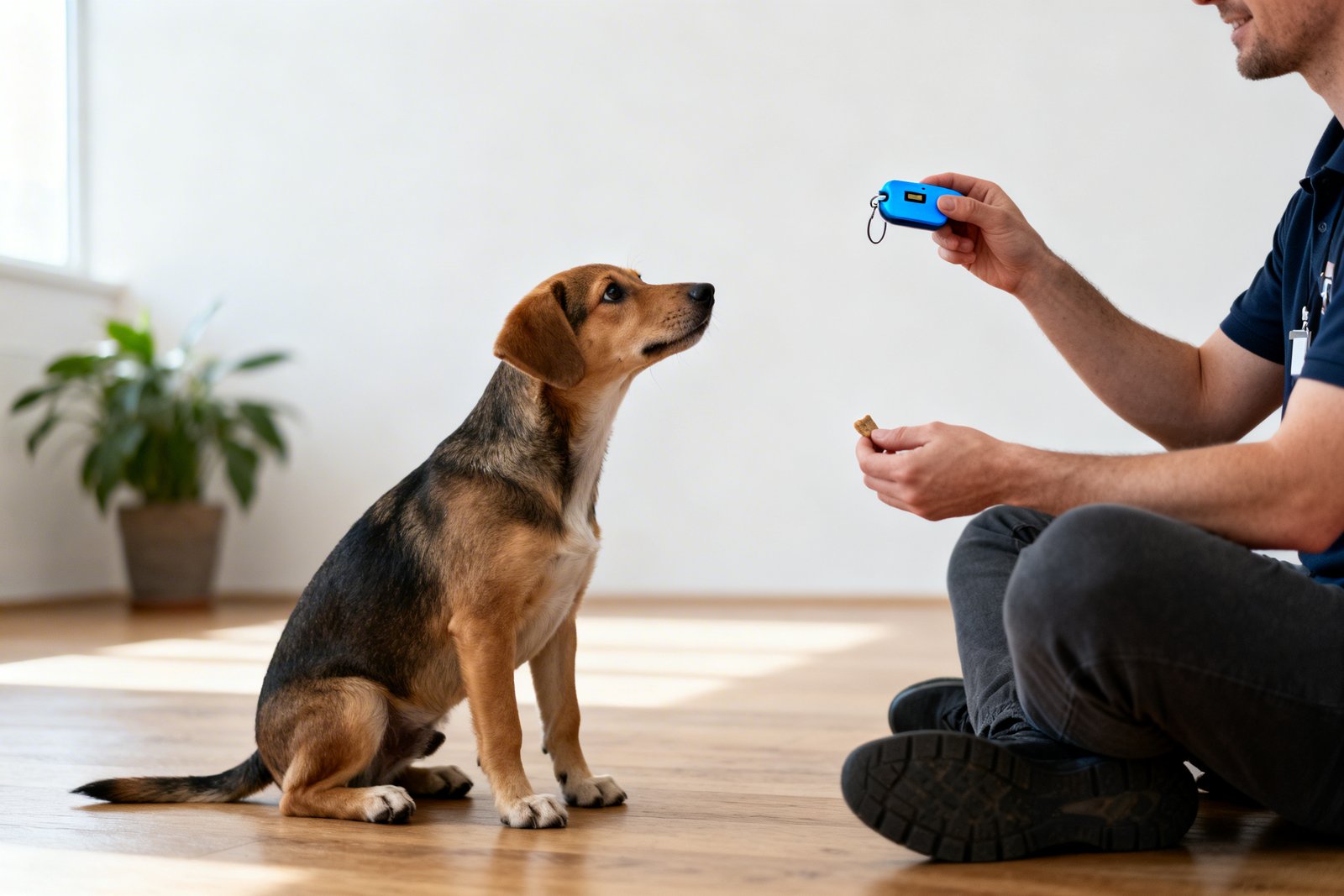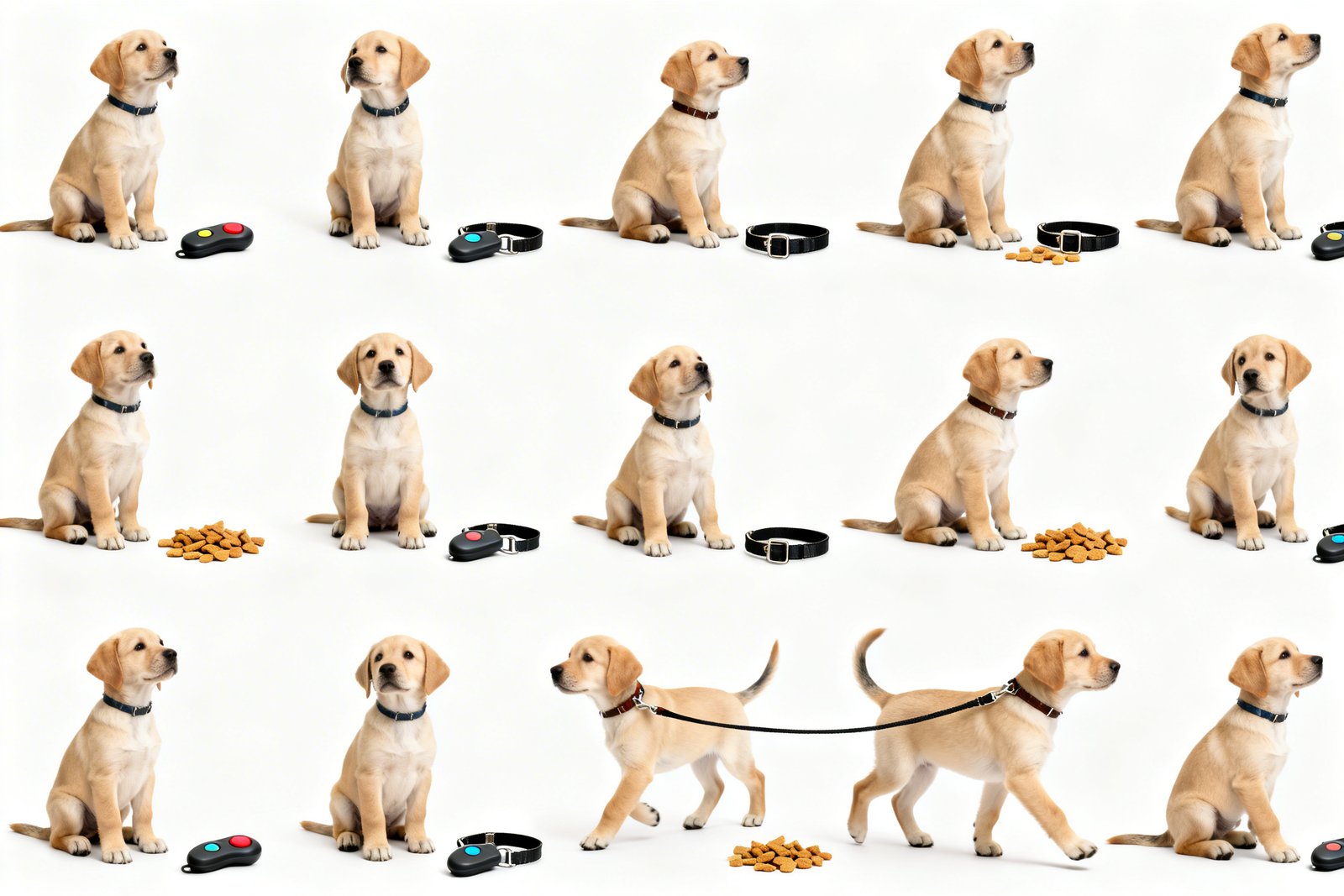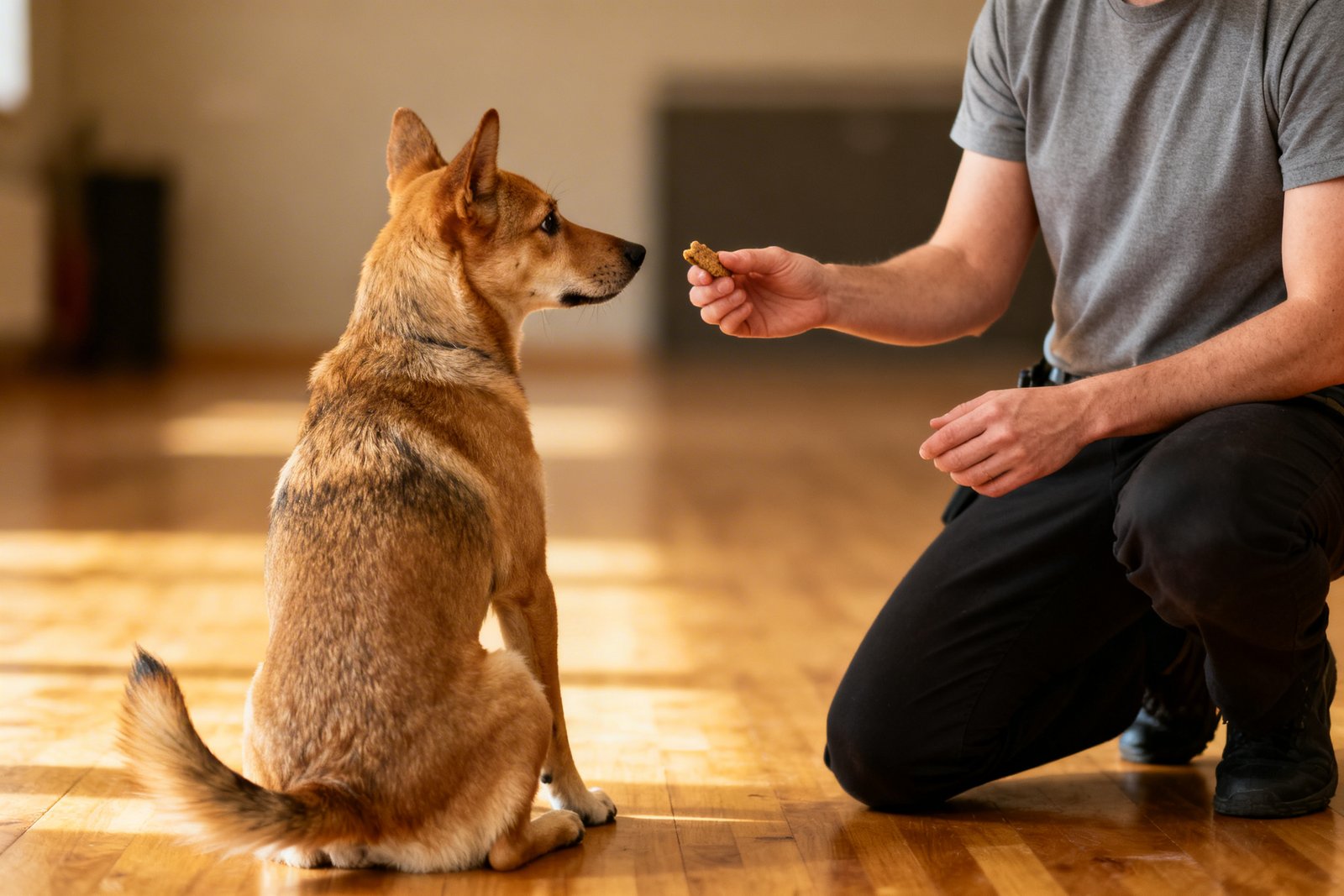
You brought home a furry genius who only listens when bacon appears? Same. “Stubborn” dogs aren’t rude—they’re strategic. They ask, “What’s in it for me?” The secret?
You out-strategize them with clear communication, smart rewards, and unshakeable consistency. Let’s turn that selective hearing into reliable obedience—without turning into the Treat Dispenser™ forever.
First, Redefine “Stubborn”
Your dog doesn’t wake up and choose chaos. They respond to incentives, clarity, and context.
If a cue fails, your dog didn’t “ignore” it—you haven’t taught it well enough in that moment or environment. That’s actually good news. Translate “stubborn” like this:
- They feel overwhelmed or distracted.
- The reward isn’t worth it—yet.
- Your cue feels fuzzy or inconsistent.
- They learned a different rule at a different time.
You don’t need dominance. You need a game plan.
Build a Reward System That Makes Sense to Your Dog
Dogs repeat what pays off.
So make obedience pay better than not listening. Simple.
Find Your Dog’s Currency
Try a few. Don’t guess—test.
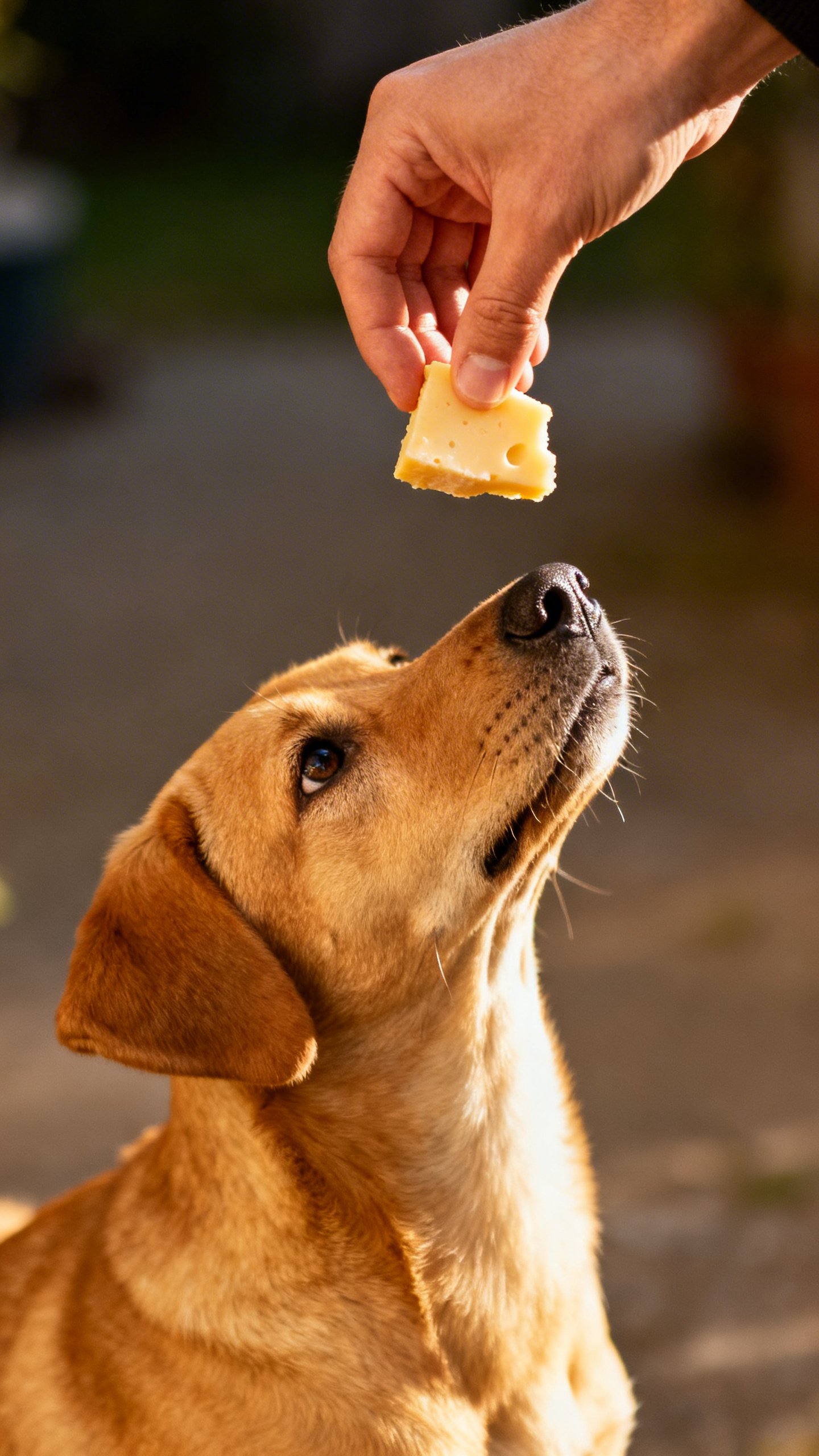
- Food: cheese bits, hot dog slivers, freeze-dried liver
- Toys: tug, squeaky, fetch
- Life rewards: sniffing a tree, greeting a friend, jumping on the couch
FYI, many “stubborn” dogs just have standards.
If kibble flops outside, upgrade to chicken. Later, you can “thin” the rewards once the behavior sticks.
Make Rewards Variable (after the dog understands)
Once your dog performs consistently in easy settings, pay on a variable schedule:
- Sometimes a jackpot (several treats + party).
- Sometimes one small treat.
- Sometimes a toy or access to something fun.
Variable rewards keep dogs engaged—like a slot machine without the debt.
Get Crystal-Clear With Cues
Your cue needs to stand out and stay consistent. No essays.
No speeches. One word, same tone, same timing.
Use This Simple Teaching Formula
- Get the behavior with a lure or shaping (treat at nose, move into sit; or reward tiny steps toward the goal).
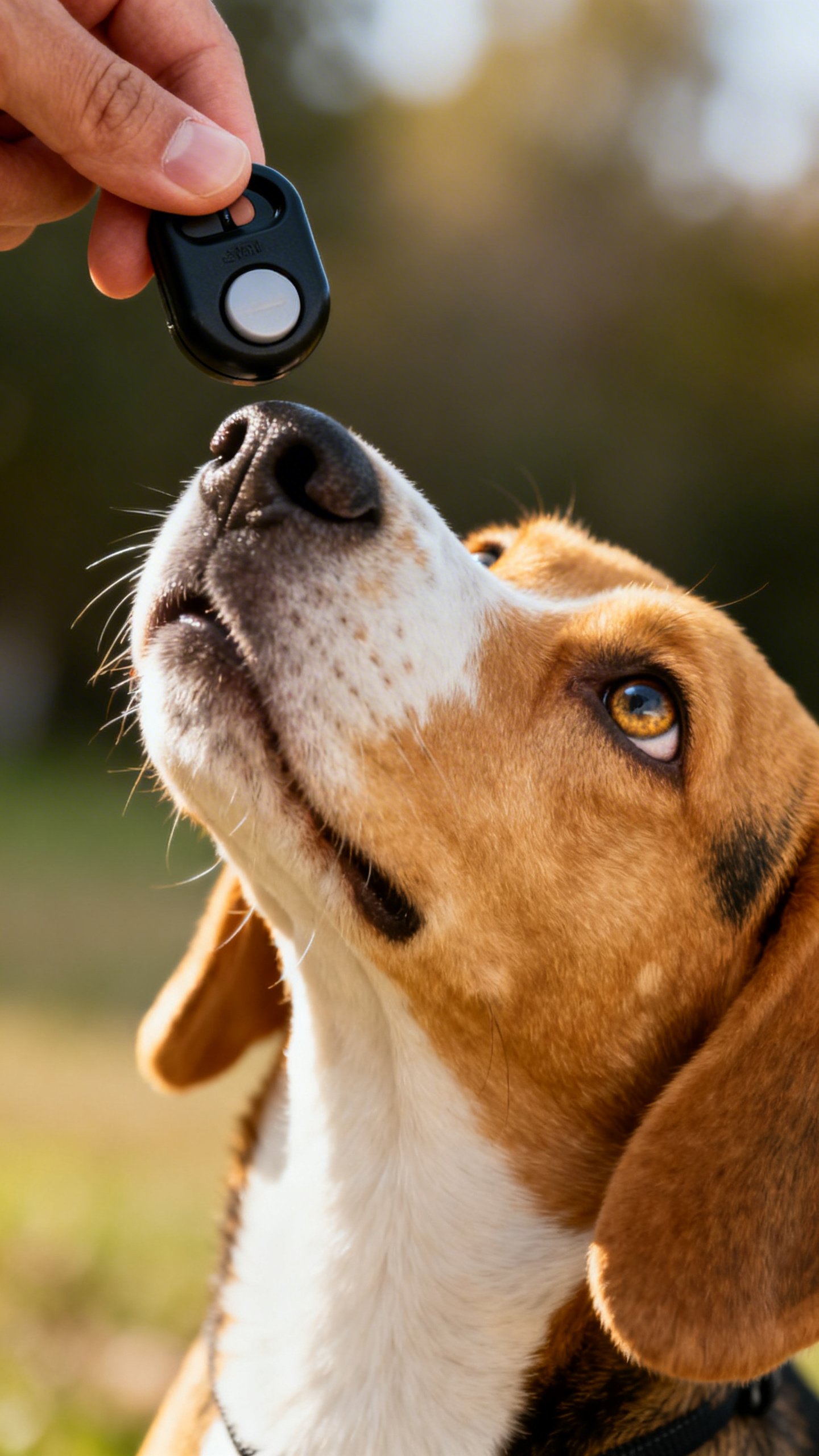
- Mark the moment (“Yes!” or a click) the instant they do it.
- Pay right away.
- Add the cue only after they perform the movement reliably.
- Practice short sessions (1–3 minutes) a few times daily.
Common cue mistakes to avoid:
- Repeating the cue like a broken record. Say it once.
Help them succeed.
- Using different words for the same behavior (sit/sit down/park it… pick one).
- Stacking cues (“Buddy… eh… come here… now… come on…”). One cue. Then guide.
Train For Real Life, Not Your Living Room
Dogs don’t generalize well. “Sit” in the kitchen doesn’t mean “sit” at the park during a squirrel parade.
You must level up gradually.
The 3D Game: Distance, Distraction, Duration
Change one “D” at a time:
- Distance: Can your dog hold a sit while you step 2 feet away? 5? 10?
- Distraction: TV on. Kids moving. Another dog across the street.
- Duration: Hold that sit for 3 seconds… then 5… then 10.
If your dog fails, lower a D.
Quick adjustment beats frustration.
Leash Skills Matter (Even Off-Leash Goals)
Loose-leash walking tires out the brain and builds impulse control. Try:
- Reinforce position by your side every 2–3 steps at first.
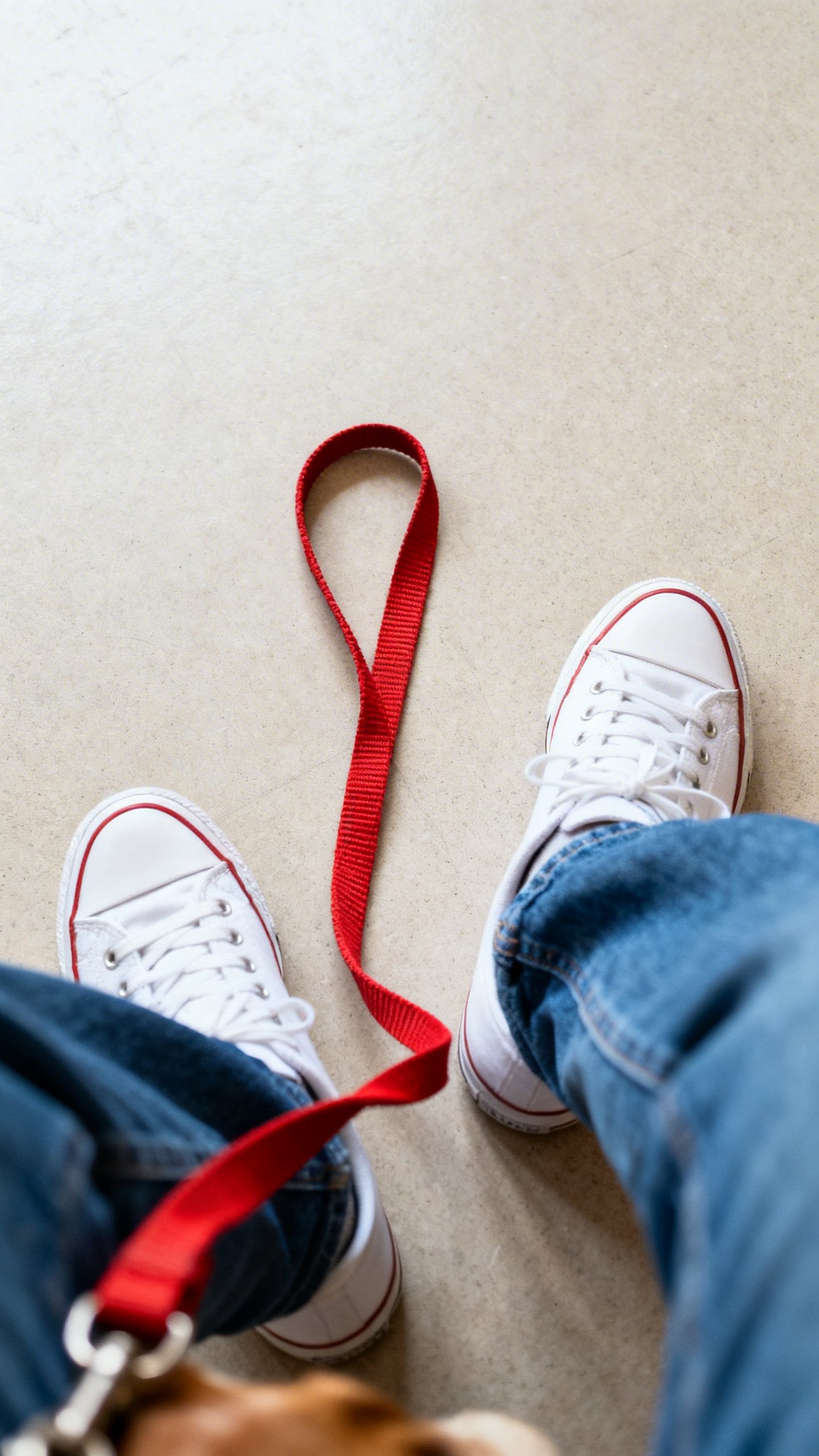
- When the leash tightens, stop. Wait.
When they come back, mark and move.
- Change directions often—become unpredictable and fun.
IMO, 10 minutes of focused leash work beats 30 minutes of chaotic zoomies.
Stop Accidental Training (Yes, You’re Doing It)
Dogs watch your patterns like detectives. If “bark at door = door opens” works, guess what your dog now believes about the meaning of bark? Swap bad patterns for good ones:
- Jumping for greetings: ask for a sit, then say hi. No sit?
No hello. Party when the butt hits the ground.
- Demand barking: wait for quiet, then reward with attention or access. Do not reward noise.
- Door dashes: door only opens for a sit and eye contact.
Add a release word (“OK!”).
You don’t need to scold. You need consistency. Consequences can be neutral: access stops when rules break, resumes when rules resume.
Make “Come Here” Non-Negotiable (And Fun)
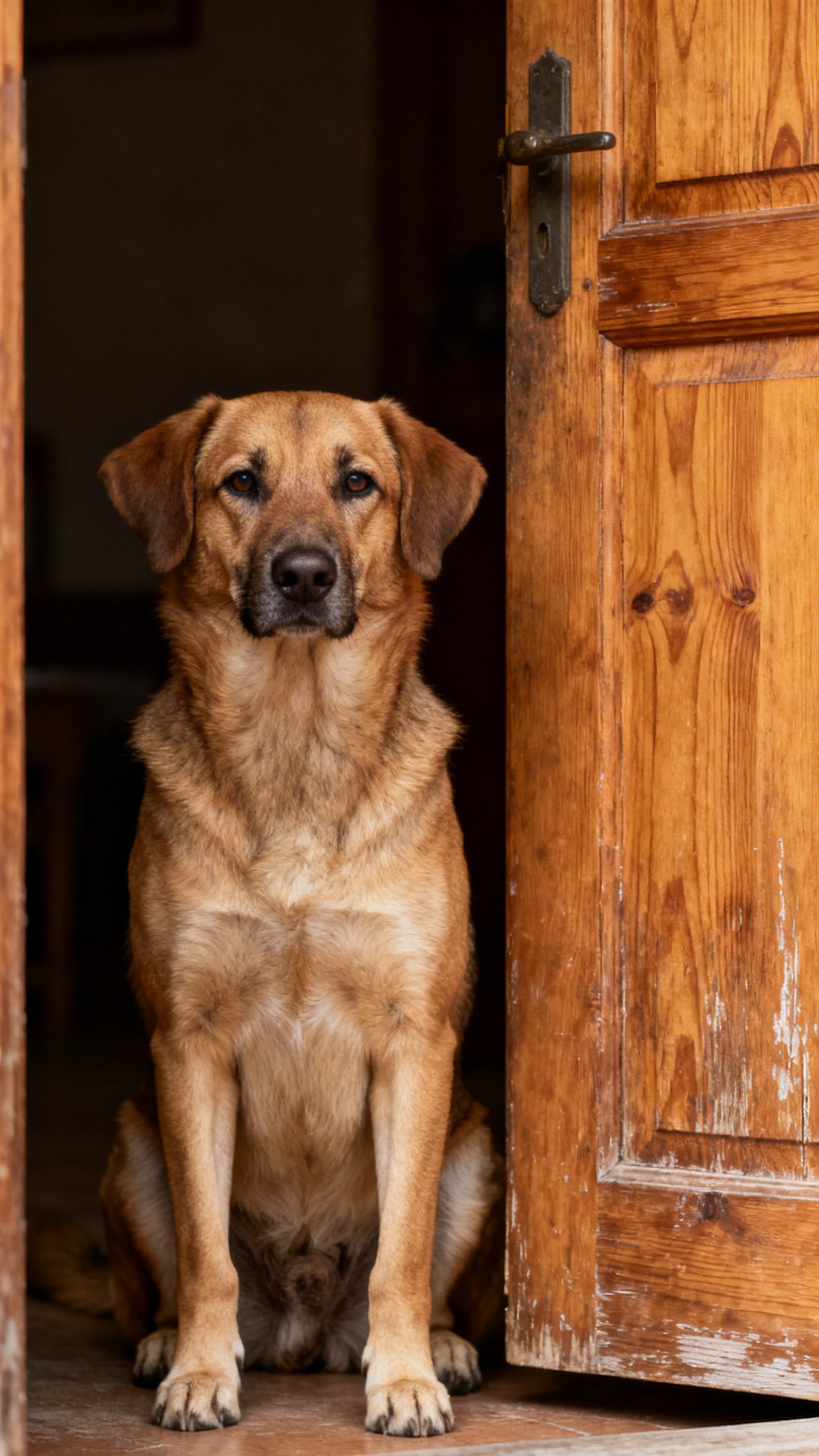
Recall saves lives.
Your dog will come when “come” beats everything else.
Supercharge Your Recall
- New word: use a fresh recall cue (e.g., “Here!”) so you ditch old baggage.
- Pay big: always reward recall—treats, toys, and freedom to go play again.
- Play recall games: two-person ping-pong, hide-and-seek, or “race me!”
- Never poison the cue: don’t use it to end fun every time (baths, leaving the park). Call, reward, release back to play often.
Fix the Mindset: Short, Easy, and Daily
You don’t need marathon sessions. You need streaks.
Momentum builds habits. Keep sessions tiny:
- 1–3 minutes, 3–5 times a day.
- One skill focus per micro-session.
- End on a win. Always.
Mix in brain games:
- Snuffle mats or scatter feeding
- Food puzzles or frozen Kongs
- Decompression walks (sniff-fests, not power-walks)
Tired brain = cooperative dog. Revolutionary, I know.
When Frustration Hits (Because It Will)
You’ll have off days.
Your dog will, too. Don’t escalate; adjust. Reset strategies:
- Lower criteria immediately (easier environment or simpler task).
- Increase rate of reinforcement (pay more often for small wins).
- Use management: gates, leashes, crates to prevent rehearsal of chaos.
- Stop early. Try later with a better plan.
And if you feel overwhelmed, a certified trainer can save you weeks of guesswork, FYI.
FAQ
How long until my “stubborn” dog listens?
You’ll see small wins within a week of consistent, short sessions.
Solid reliability around distractions takes weeks to months. It depends on your follow-through and your dog’s history. Think steady climb, not instant glow-up.
Do I need to use treats forever?
Not constantly.
Use high-value rewards to teach and proof behaviors. Then switch to variable rewards and life rewards (sniffing, greeting, play). Keep surprise jackpots sometimes to keep performance sharp.
The paycheck never disappears completely, but it gets smarter.
What if my dog ignores me outside but listens inside?
You skipped steps in generalization. Lower distractions outside first—quiet spots, longer leash, closer distance. Use better rewards outdoors, then gradually add harder environments.
Your dog needs “sit” 101 outside, not the final exam.
Should I correct my dog for not obeying?
Corrections often confuse or stress dogs, especially during learning. Teach the behavior clearly, manage the environment, and pay for successes. If you use no-reward markers (“Uh-uh”), keep them calm and pair with guidance toward the right choice.
Clarity beats punishment every time, IMO.
Is my dog too old to change?
Nope. Dogs learn at any age. Older dogs might need slower progress or softer treats, but they absolutely can master new skills.
Your consistency matters more than their birth year.
What if my dog seems bored by training?
You might train too long, repeat too much, or use low-value rewards. Shorten sessions, increase reward value, and add play between reps. Try novel environments and fun games.
Engagement first, obedience second.
Conclusion
“Stubborn” dogs aren’t broken—they’re discerning. When you make the rules clear and the rewards worth it, they choose you every time. Keep sessions short, cues consistent, and rewards strategic.
Do that, and your “stubborn” dog becomes the reliable sidekick you brag about at the park—no bacon bribes required… well, not every time.
Related Posts