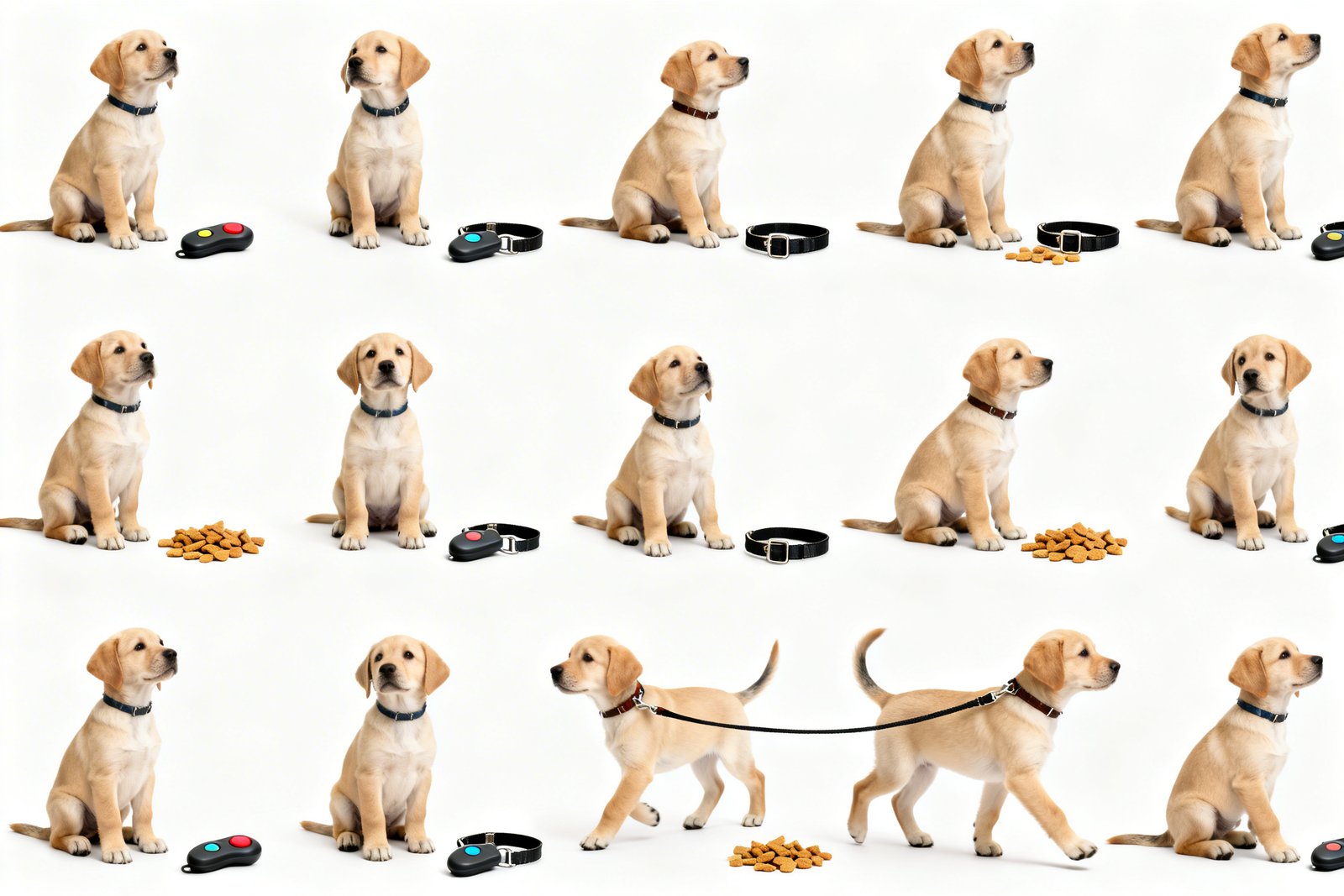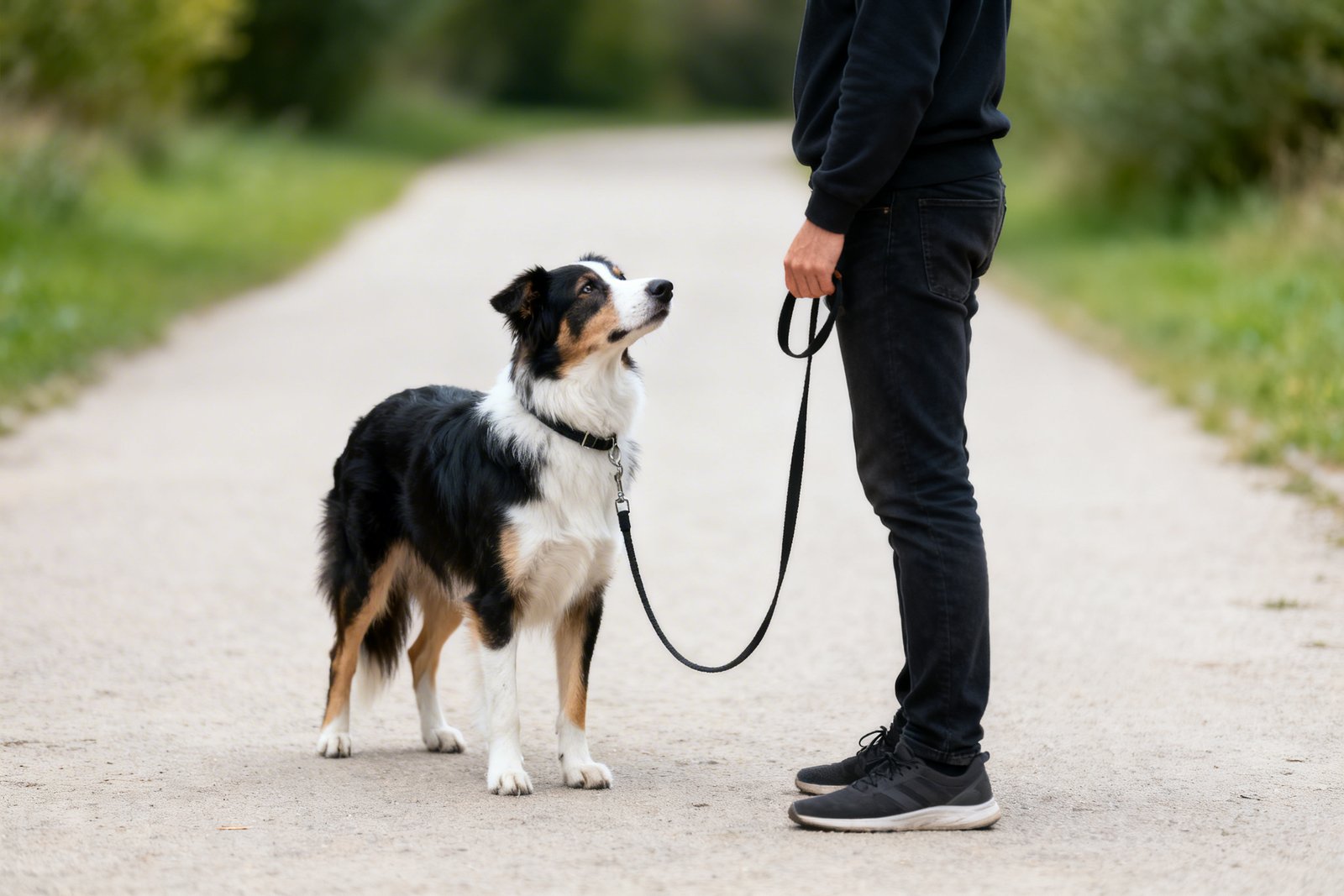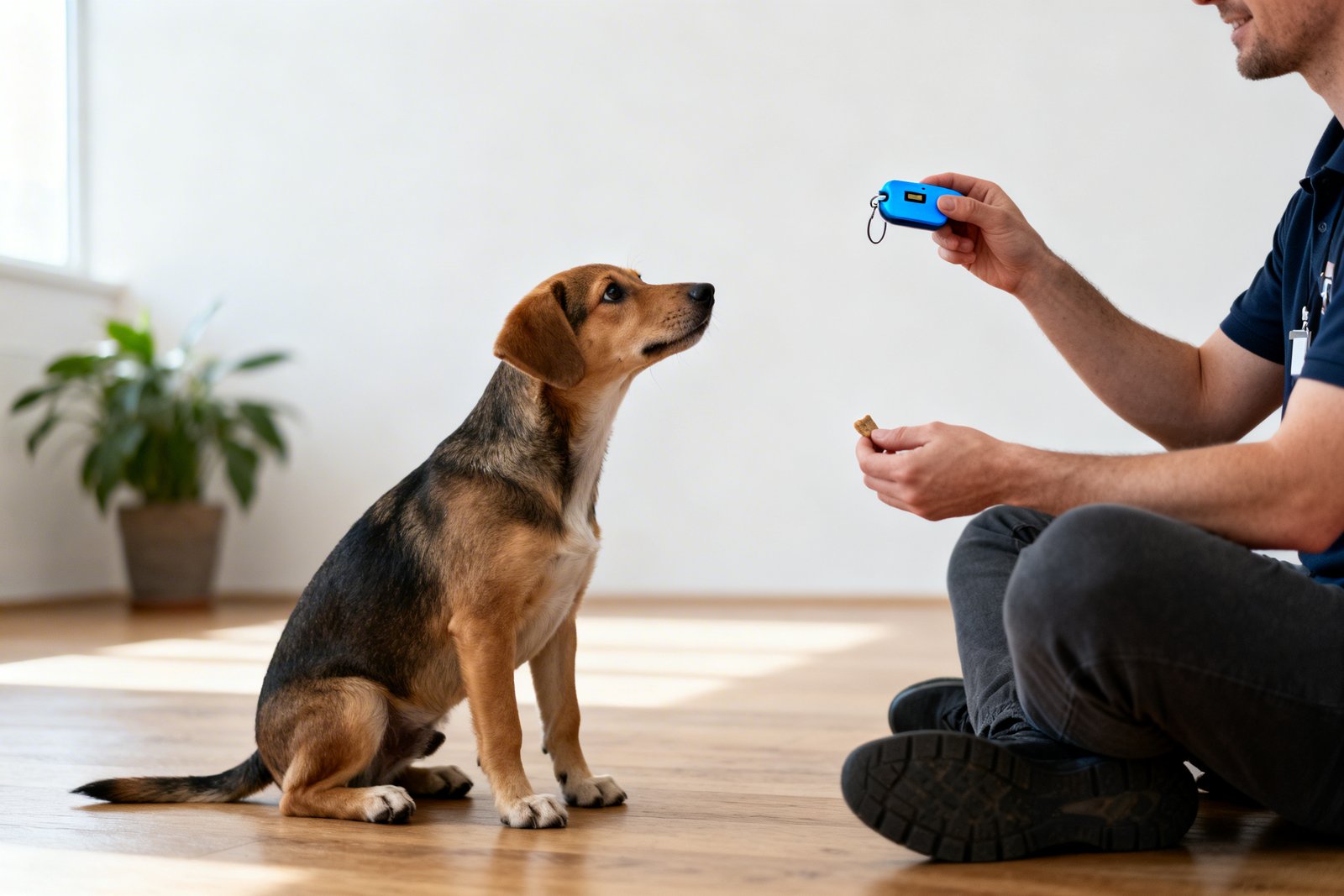
You’ve got a clicker, a pocket full of treats, and a dog who thinks “sit” means “spin like a potato.” Good news: clicker training can turn that chaos into “heck yes, I know exactly what you want.” It’s fast, fun, and ridiculously effective once you get the hang of it. Ready to build a shared language with your pet that actually makes sense to both of you? Let’s click our way there.
What Is Clicker Training, Really?
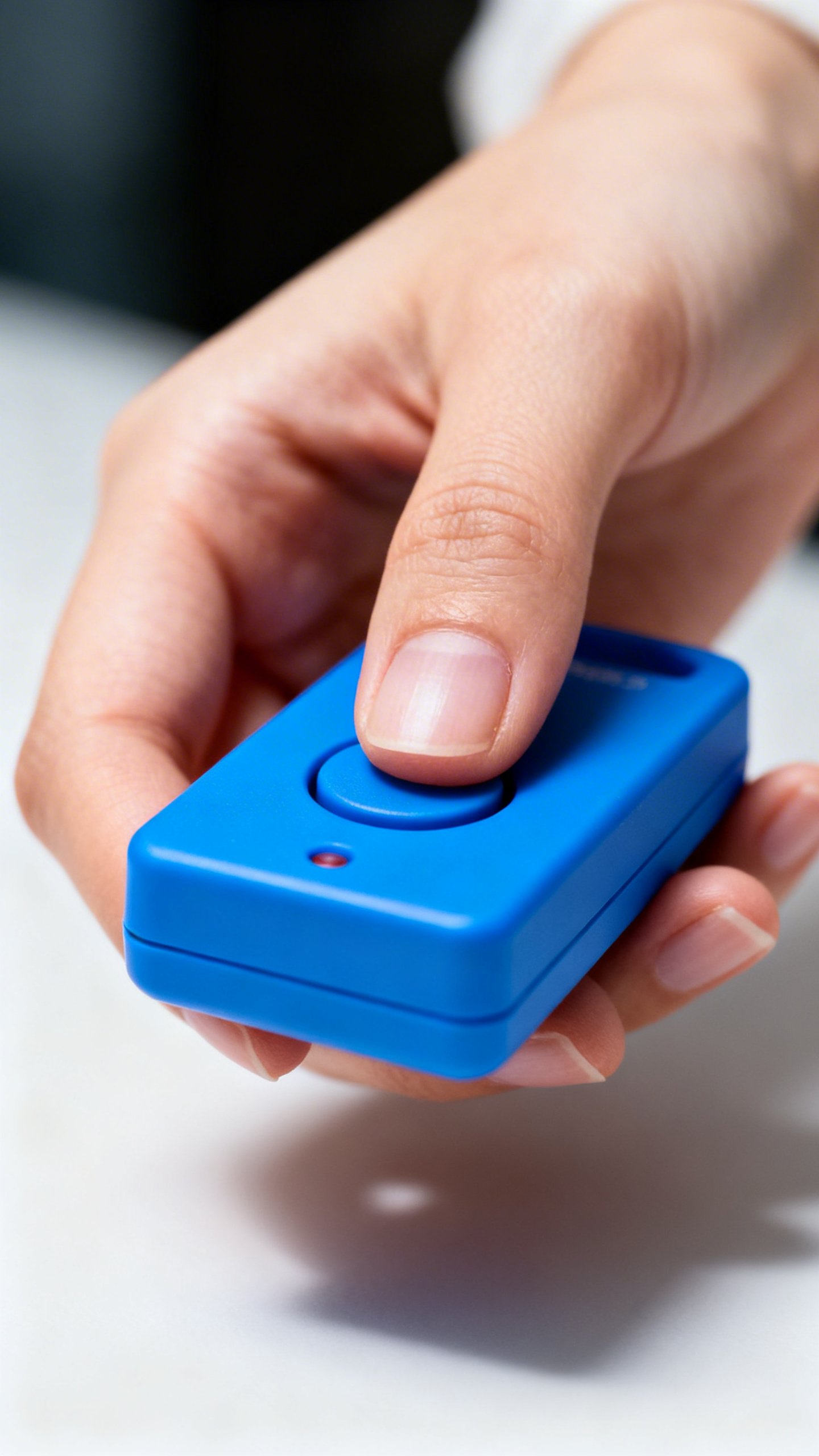
Clicker training uses a small device that makes a crisp “click” sound to mark the exact moment your pet does something you like.
That click equals, “You did it!” and a treat follows right after. Simple recipe: behavior → click → reward. You can use it with dogs, cats, rabbits, parrots, and yes—even fish.
The magic lies in timing and consistency. When you click at the right moment, your pet learns faster because you remove the guesswork.
Why Clicker Training Works (The Brainy Bits, But Fun)
Clicker training works because it taps into how animals learn best: by connecting actions to outcomes. The click tells your pet which moment earned the reward.
That clarity speeds up learning. Here’s what makes it powerful:
- Precision: The click pinpoints the behavior you want. No fuzzy “good boy” timing.
- Consistency: The click sounds the same every time, unlike our voices, which sometimes sound like coffee hasn’t hit yet.
- Positive reinforcement: Your pet repeats behaviors that earn rewards. You shape behavior through “yes,” not “no.”
- Confidence boost: Clear feedback builds a pet who loves to try new things.
Fun science fact: success releases dopamine. Your pet becomes a learning machine.
Marker vs. Reward: They’re Not the Same
The click marks the moment.
The treat rewards it. You need both—at least while you’re teaching. Later, you can swap treats for life rewards like play or sniff breaks.
But early on, treats keep things crisp.
Gear You Need (And What You Don’t)
You can start with very little. Don’t let gadget FOMO stall you.
- Clicker: Any basic box clicker works. If your pet hates the sound, use a softer one or even a pen click.
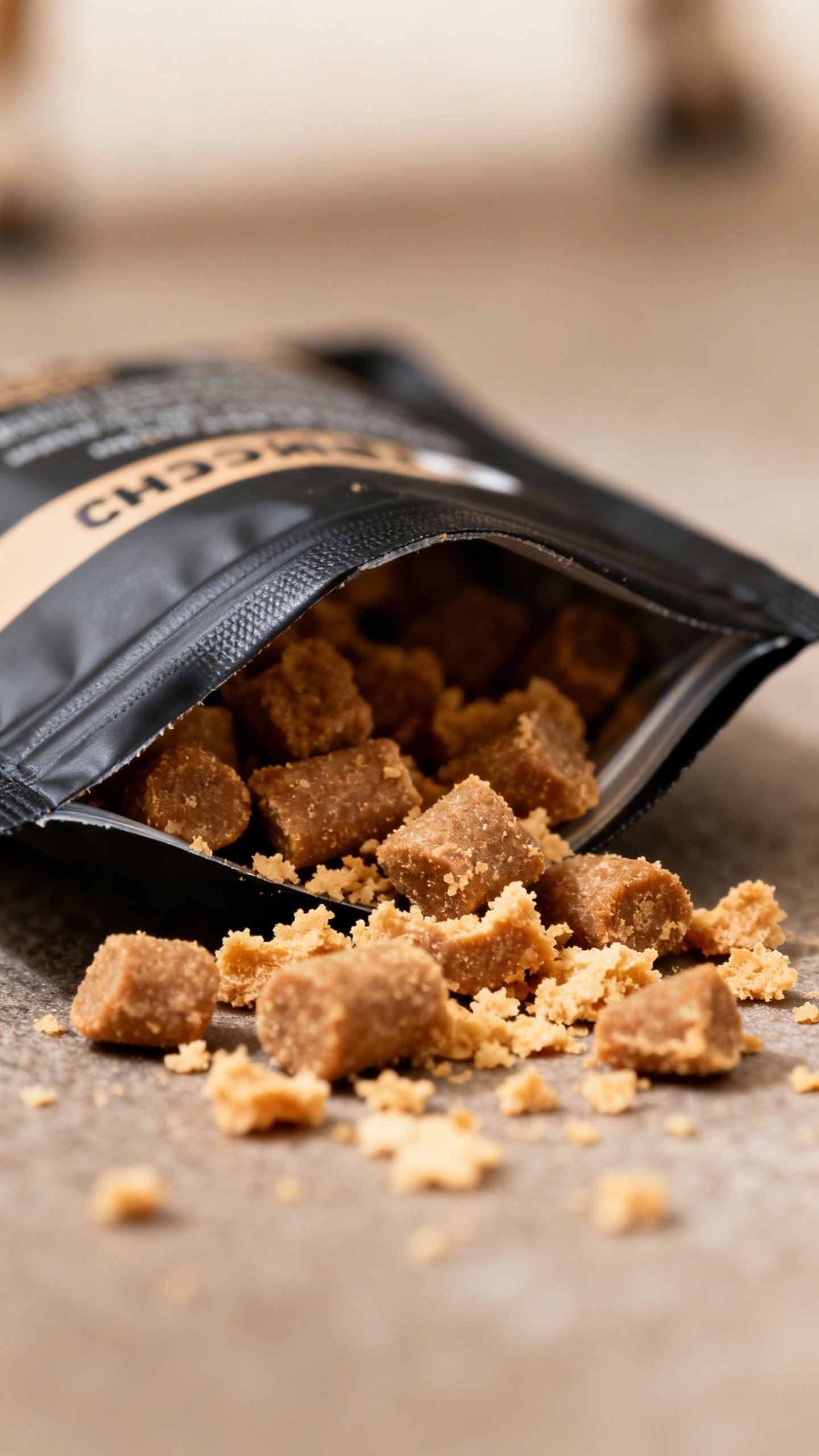
- Treats: Small, soft, high-value.
You want rapid-fire rewards, not a five-minute chew session.
- Treat pouch: Optional but handy. Yes, you can use pockets. Yes, you’ll find crumbs later.
- Leash/harness: For safety and focus outdoors.
- Mat or spot: Helps with place training and resets.
What To Skip
You don’t need shock collars, choke chains, or complicated training rigs.
IMO, those just add stress and confusion. Keep it simple and kind.
How To Start: Charge the Clicker
Before you ask for any behavior, teach your pet that click = treat. This takes a few short sessions.
- Click once, then immediately deliver a treat.
- Repeat 10–20 times over a couple of mini sessions.
- Watch for the “aha” moment: your pet hears the click and looks at you like “Where’s my snack?”
Timing tip: Treat within 1–2 seconds after the click.
The click marks the behavior; the treat pays for it.
First Behaviors To Teach
Start with easy wins that happen naturally:
- Eye contact: Your pet glances at you—click, treat. Boom: attention on tap.
- Sit: Lure with a treat over the head, click as the butt hits the floor, treat.
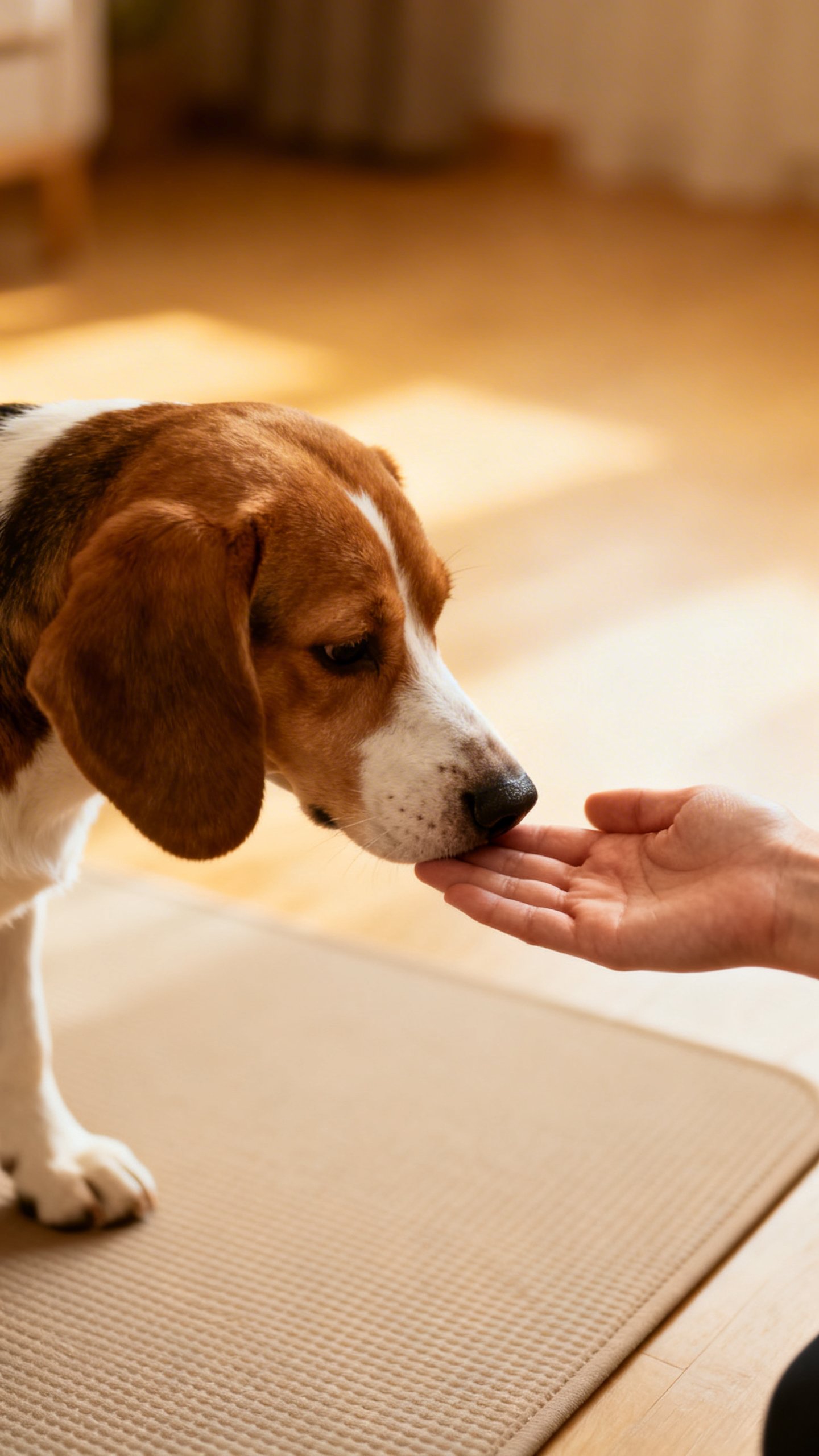
- Hand target: Present your palm near their nose; when they boop it, click, treat.
These three build focus, impulse control, and a way to position your pet without pushing or pulling. FYI, “hand target” becomes your magic remote control.
Shaping, Luring, and Capturing: Choose Your Adventure
You don’t need to pick just one method.
Use what fits the moment.
- Luring: Use a treat to guide the behavior. Great for sits, downs, spins. Fade the lure quickly so it doesn’t become a bribe.
- Capturing: Wait for the behavior to happen naturally (like a stretch or a calm down), then click and treat.
Perfect for settling on a mat.
- Shaping: Reward small steps toward a bigger goal. Want a bow? Click when your dog dips their front a little, then a little more, etc.
When To Add the Cue
Don’t rush the cue.
First, get the behavior happening reliably. Then add the word or hand signal right as your pet starts to do it. After a few reps, cue first, then click and treat when they do it. Pro move: If you want a fast response, reward the quickest attempts more.
Your pet will speed up to earn better pay.
Common Mistakes (And How To Fix Them Fast)
We all fumble. No biggie. Fix it and move on.
- Late clicks: You clicked after the sit and during the stand-up?
You reinforced the stand-up. Slow down. Practice your timing with a friend miming behaviors if needed.
Yes, it helps.
- Too few rewards: Early learning needs high reinforcement. Think jackpot pace. Fade later.
- Messy criteria: Decide what you’re clicking. “Any sit” vs. “sit with eye contact” are different.
Pick one per session.
- Dragging sessions: Keep it short—1–3 minutes, several times a day. End on a win.
- Forgetting to fade the lure: Switch from treat-in-hand to empty-hand gesture ASAP, then reward from the other hand or pouch.
What If My Pet Gets Overexcited?
Use calmer treats, train after light exercise, and sprinkle in “settle on mat” reps. If the clicker winds them up, switch to a softer click or a verbal marker like “yes.” IMO, arousal management beats frustration.
Level Up: Real-Life Skills
Great, your pet can sit in the kitchen.
Now make it useful.
- Leash manners: Click for a loose leash or eye contact. Move forward as the reward. Sniff breaks count as treats, too.
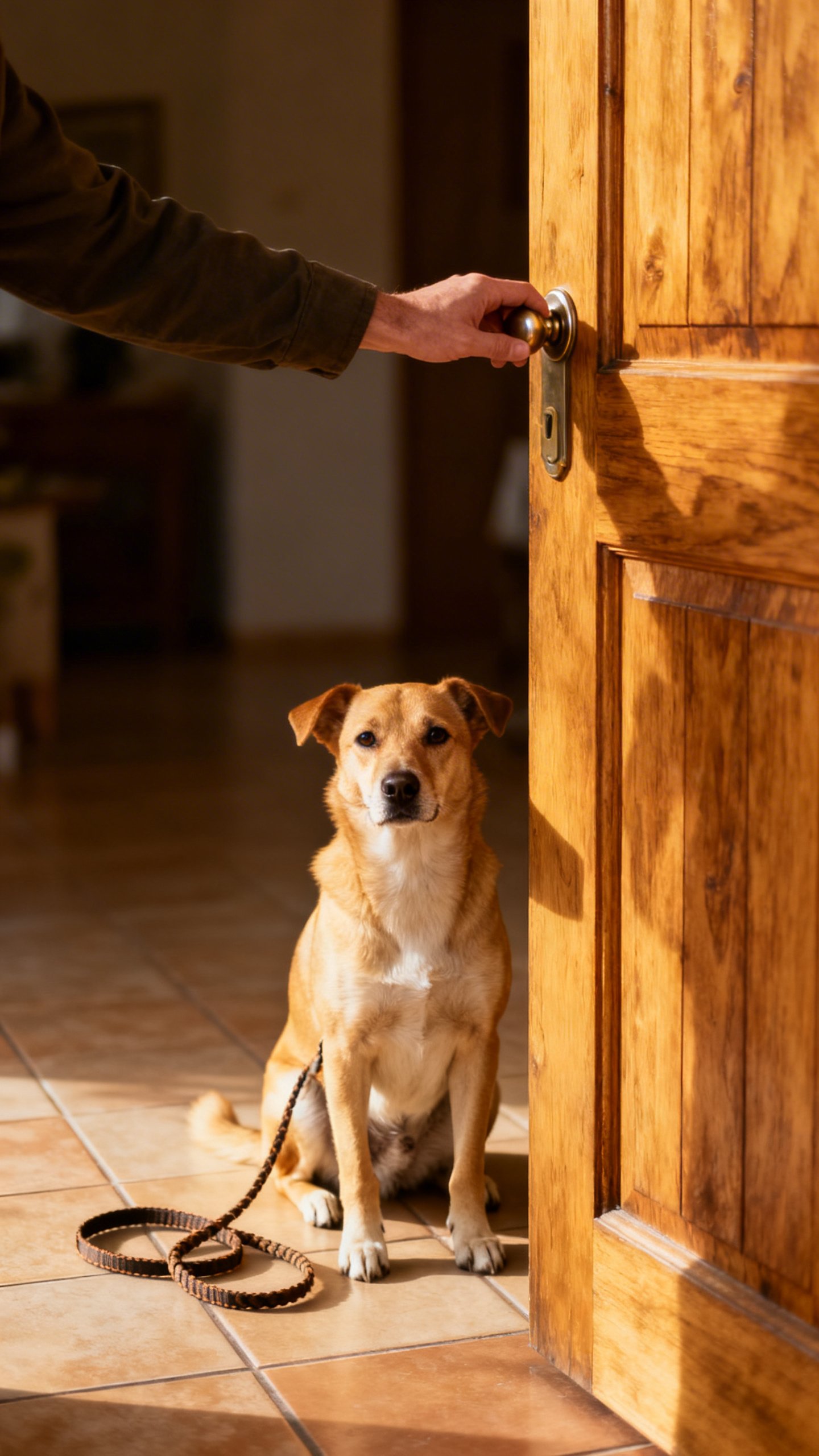
- Door etiquette: Cue sit, click for waiting, then open the door as the reward.
Freedom = best cookie.
- Settle anywhere: Click for lying on a mat at the cafe. Pay generously at first, then space out rewards.
- Recall games: Click when your pet turns toward you, then reward with treats or a fun chase game.
Fading the Clicker and Treats
Once your pet knows the behavior well in different places, start:
- Using the clicker only for new or tricky skills.
- Switching some food rewards to play, praise, or sniff time.
- Reinforcing on a variable schedule—sometimes big pay, sometimes small. Keeps them guessing and engaged.
Important: Don’t fade rewards too early.
If behavior slips, you faded too fast. No shame—just bump rewards back up.
Fixing “But My Dog Already Knows It” Problems
Pets don’t generalize well. “Sit” in the kitchen doesn’t mean “sit” at the park. That’s normal. How to proof behaviors:
- Change one thing at a time: location, distraction, or distance.
- Lower your criteria slightly in new places.
Pay more at first.
- Gradually add distractions: one person walking by, then two, then a bouncing ball.
And yes, you’ll feel silly clicking a sit at your friend’s house. Do it anyway. Results beat pride.
FAQ
Do I always need to use treats?
No, but they help a ton when you teach new stuff.
Over time, switch to real-life rewards like play, sniffing, access to the sofa, or your attention. Keep treats handy for tough environments or advanced training.
Isn’t a verbal “yes” enough?
Sometimes. But a clicker sounds the same every time and cuts through noise better.
Many pets learn faster with a clicker. You can absolutely use a verbal marker if the click spooks your pet or you forgot it at home. We’ve all been there.
Can I use clicker training for problem behaviors?
Yes—with a plan.
Teach and reward what you want instead. For jumping, reward sits. For barking, reward quiet moments and give other jobs (like a mat stay).
If safety’s involved or the behavior feels big, work with a qualified positive-reinforcement trainer.
What if my pet ignores the treats?
Upgrade the menu. Try chicken, cheese, or freeze-dried meat. Train when your pet feels alert, not stuffed or stressed.
If food still flops, use toys or life rewards. Some dogs will work for the chance to chase a ball. Respect their currency.
How long are training sessions?
Keep them short and sweet—1–3 minutes, a few times a day.
Quit while your pet still wants more. Think micro-workouts, not marathons.
Will I need the clicker forever?
Nope. It’s a teaching tool, not a permanent accessory.
Use it to build behaviors, then fade it as your pet understands the cues in different contexts.
Conclusion
Clicker training gives you a clear, kind way to say, “Yes, that!” Your pet learns faster, you feel less frustrated, and training turns into a game you both enjoy. Start small, click smart, and reward generously. Before long, you’ll have a pet who loves learning—and a trainer swagger you absolutely earned.
IMO, that’s a win for both ends of the leash.
Related Posts