You don’t need a doomsday bunker to travel or evacuate with your pet. You just need the right gear, a plan, and a tiny bit of chill. Whether you’re road-tripping to grandma’s or grabbing the go-bag when the sirens hit, your pet can roll with it.
Let’s set you up so your dog, cat, or “totally-not-an-escape-artist” rabbit stays safe, comfy, and accounted for.
Build a Bombproof Pet Go-Bag
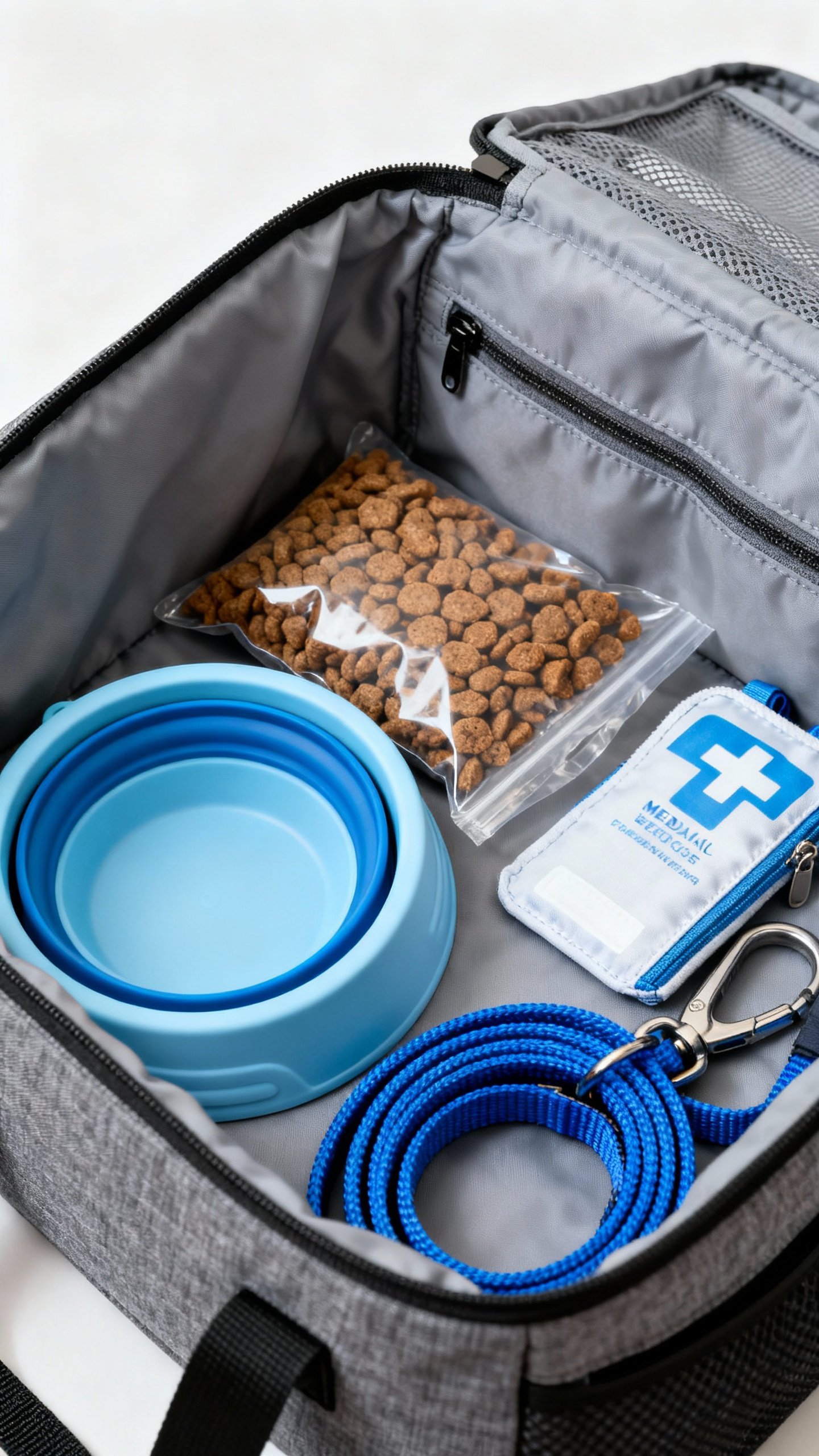
Your pet needs a dedicated bag. Not yours. Not the one with your snacks.
Their own bag with their essentials in one place so you can grab-and-go without thinking. Think lightweight, water-resistant, and easy to open fast. Pack these non-negotiables:
- Collar + ID tags with your phone number (microchip updated, too)
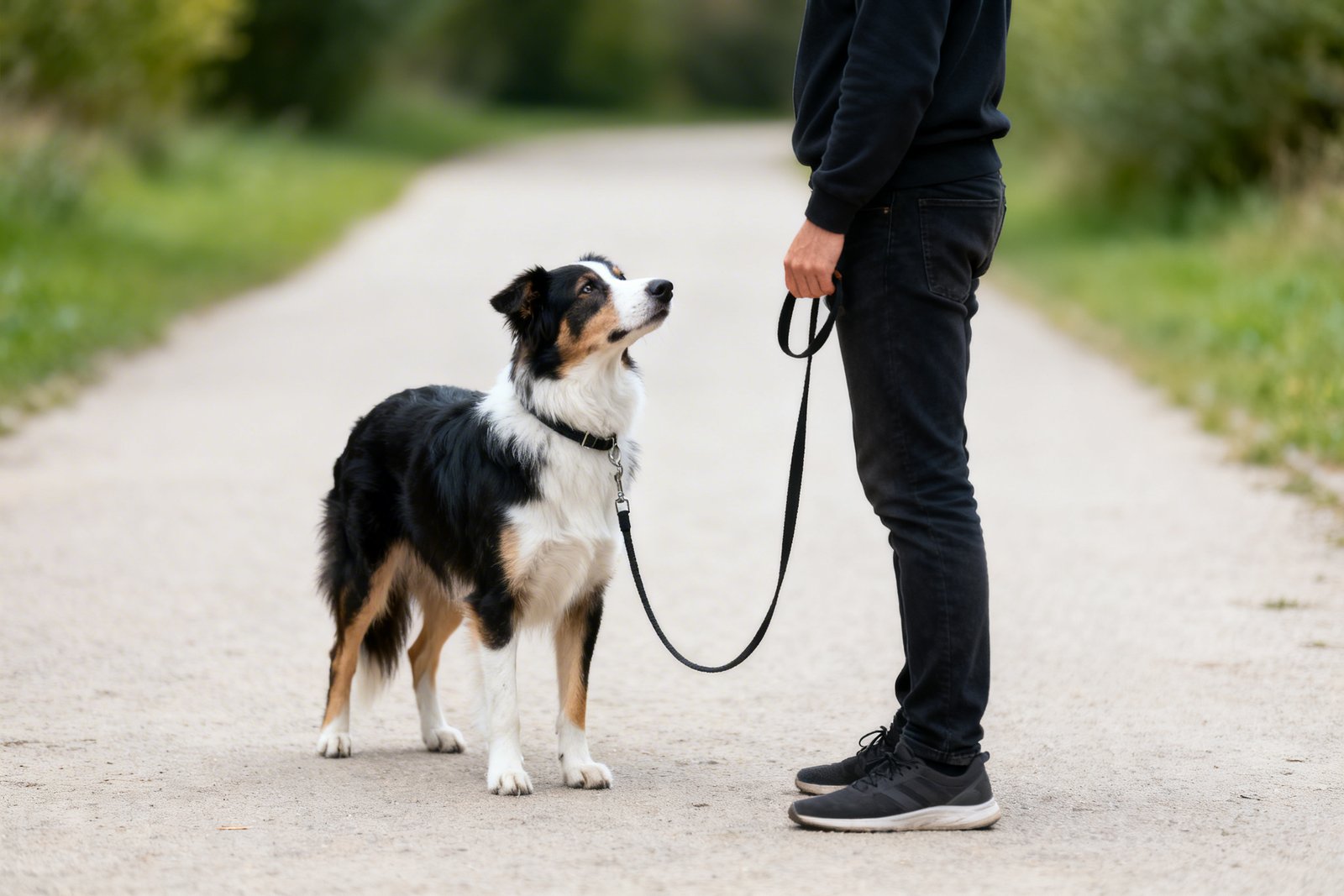
- Leash and backup leash (a slip lead can save your day)
- Foldable water bowl and a sturdy food bowl
- 3–7 days of food in sealed bags + water for 72 hours
- Medications in a labeled pouch + copies of prescriptions
- Vaccination records and a photo of you with your pet for proof of ownership
- First-aid kit (more on that in a sec)
- Waste bags or litter + disposable trays
- Comfort item (favorite toy/blanket) because anxiety is a beast
Pet First-Aid Kit: The Pocket ER
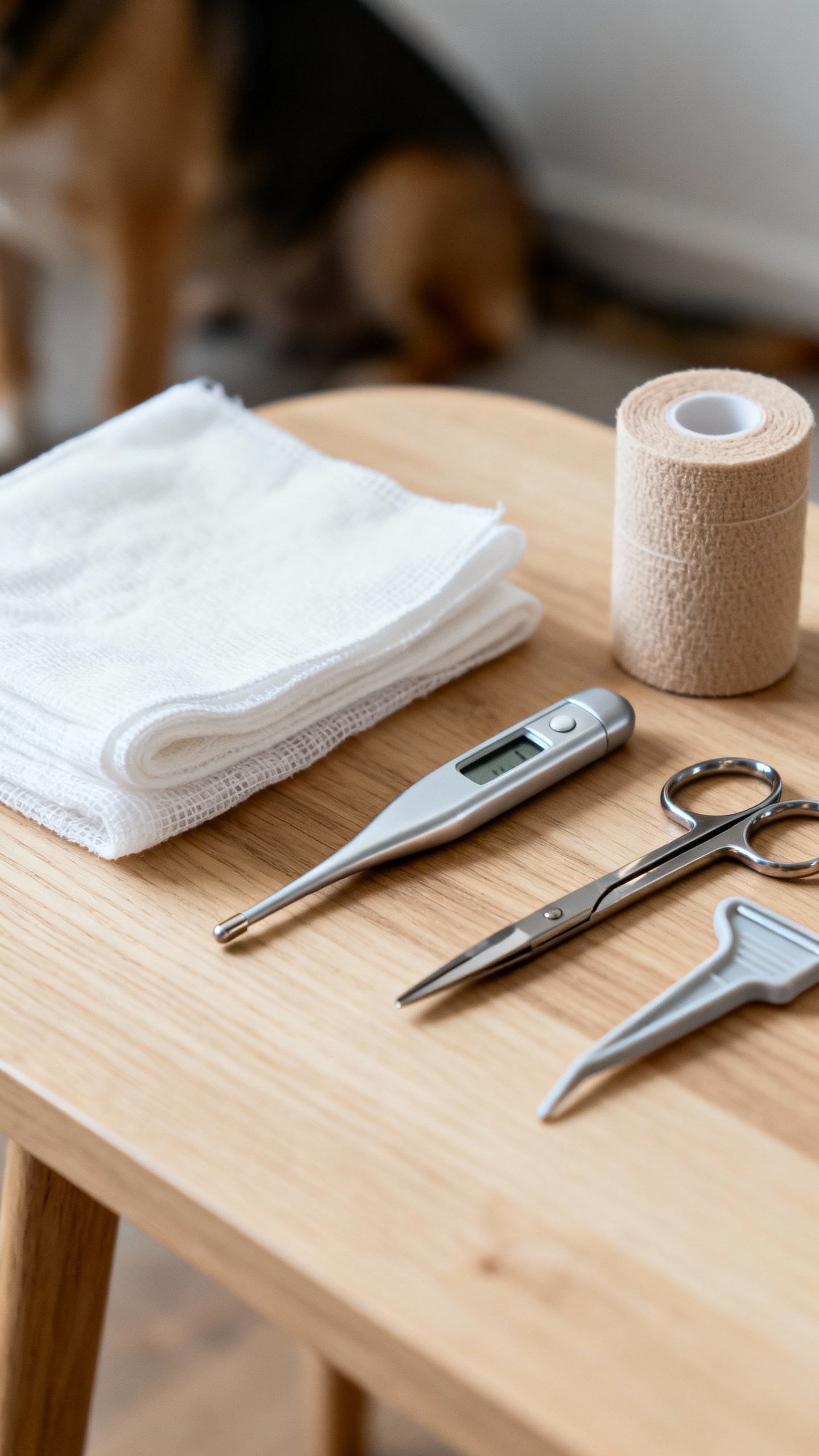
You won’t perform surgery, but you can stabilize and comfort until you get help. Pack:
- Gauze pads, non-stick pads, cohesive wrap
- Antiseptic wipes, saline wash, styptic powder
- Tweezers, blunt-tip scissors, digital thermometer
- Benadryl (diphenhydramine) per vet guidance, small tube of triple antibiotic
- Muzzle or soft wrap (even sweet dogs bite when scared)
- Tick remover and booties for hot/cold/debris
FYI: Confirm medication doses with your vet and write them on an index card in the kit.
Carriers, Crates, and Harnesses: Your Mobility Toolkit
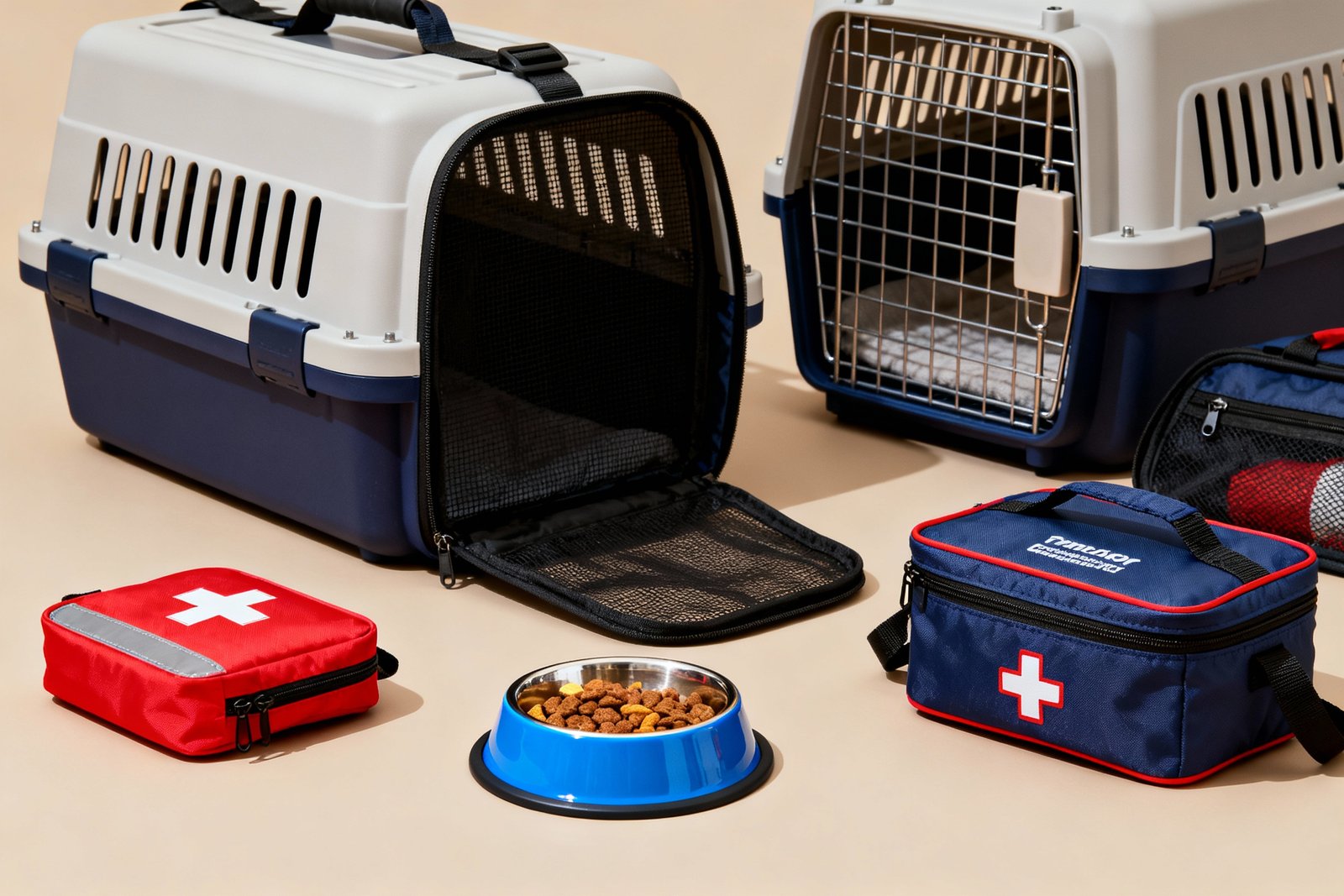
Your carrier or crate isn’t just a box; it’s your pet’s safe room on the move.
Get the right size and style for your pet and situation.
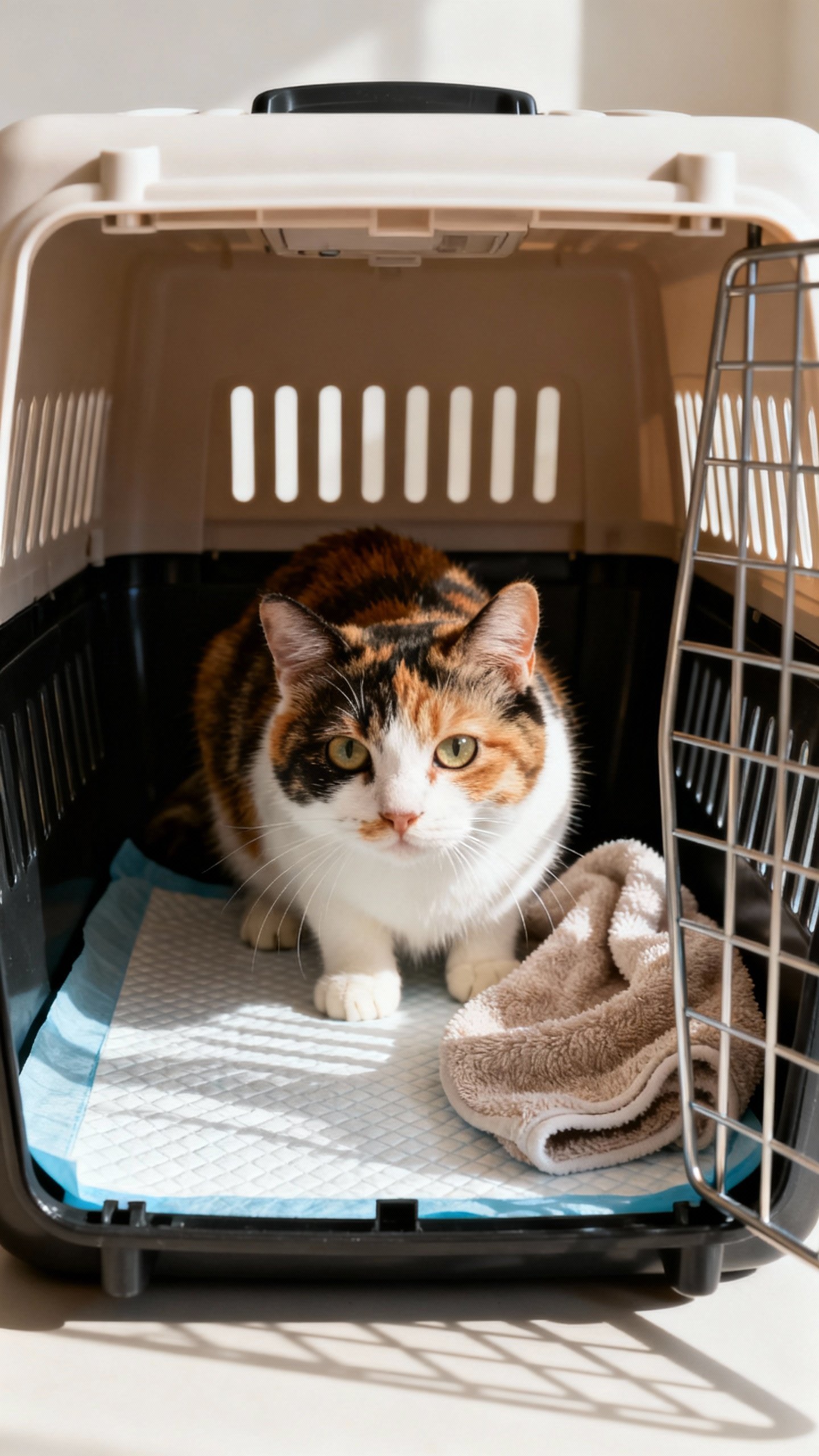
Carriers for Cats and Small Pets
- Hard-shell carriers protect better and clean easier. Great for evacuations.
- Soft carriers work for air travel and quick trips, but check airline dimensions.
- Top- and front-loading openings reduce wrestling (and claw-based betrayal).
- Add a piddle pad and a familiar-smelling towel to lower stress.
Crates for Dogs
- Crash-tested crates if you drive a lot or own a large dog. Worth every penny.
- Foldable wire crates pack flat and help in hotel rooms or shelters.
- Measure nose-to-tail and floor-to-top.
Your dog should stand, turn, and lie down comfortably.
Harnesses and Seat Belts
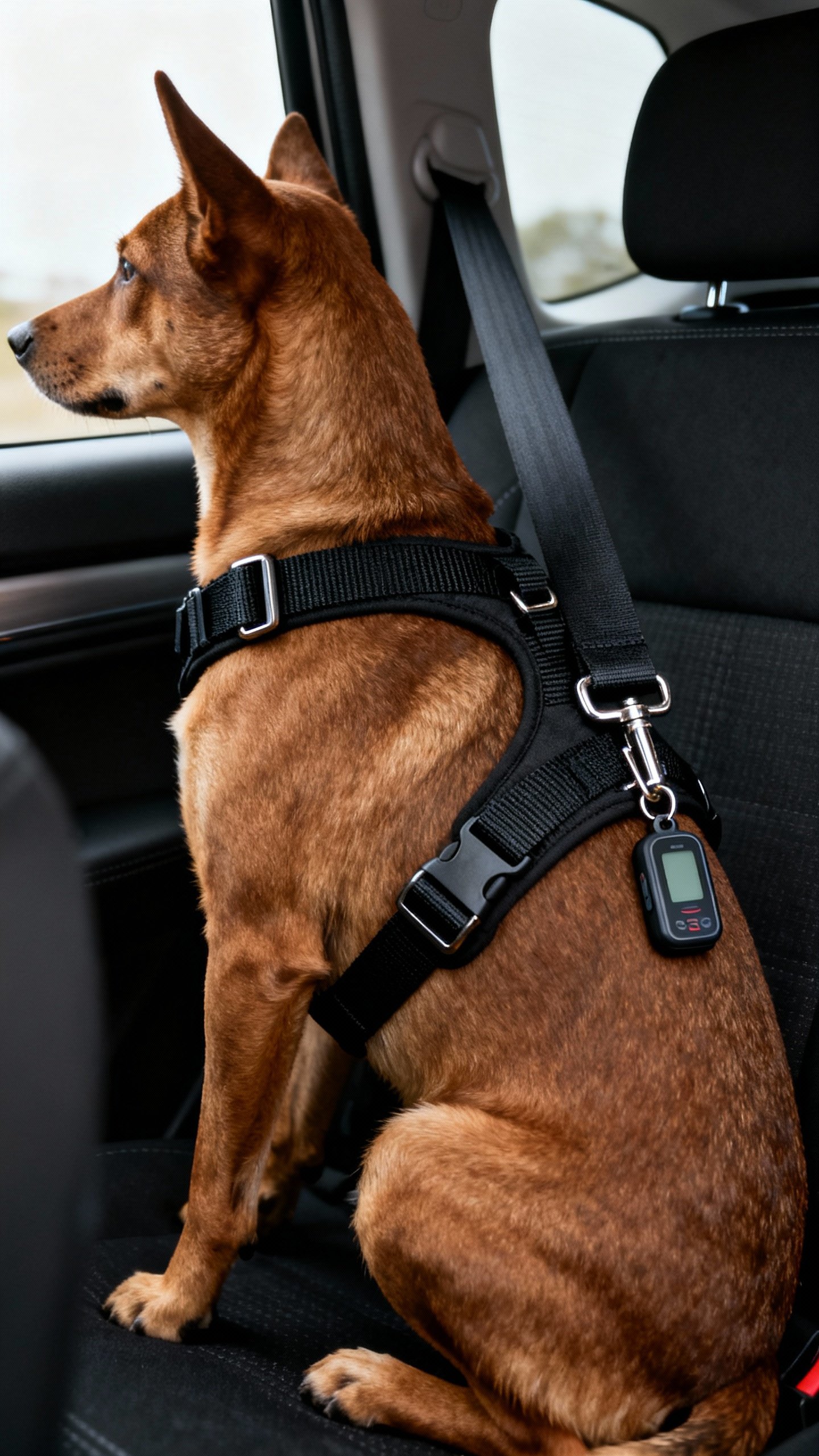
- Crash-tested car harnesses with seatbelt compatibility for medium/large dogs.
- Escape-proof harnesses for anxious pets in chaotic environments.
- Attach a GPS tag to the harness for extra peace of mind, IMO.
Water, Food, and Sanitation (The Unsexy Essentials)
You can’t outrun dehydration. Stock water. Then stock more water.
For food, consistency beats novelty when pets feel stressed.
- Water: 1 ounce per pound per day is a rough guide. Keep 3 days minimum.
- Food: Same diet as usual. Rotate every 2–3 months so it doesn’t go stale.
- Bowls: Collapsible silicone + a sturdy backup if your pet steamrolls flimsy gear.
- Sanitation: Poop bags, enzyme wipes/spray, and paper towels.
For cats, pack litter, a small tray, and liners.
Pack It Smart
- Use modular pouches: food, meds, hygiene, ID, first-aid.
- Label everything. Stress makes your brain forget basic nouns.
- Store water separately to avoid surprise soup in your bag.
ID, Microchips, and Paperwork That Actually Matters
When chaos hits, you need bulletproof ID. Collars slip, tags fade, and panicked pets bolt.
Stack your identification.
- Microchip: Register and update details. Add a secondary contact outside your area.
- Collar Tag: Name, your cell, and “Needs meds” if true. It gets attention fast.
- QR code tag or digital ID: Easy scans, instant info, medical notes.
- Photo proof: A current photo of you with your pet for shelters/rescuers.
- Records: Vaccinations, rabies certificate, prescriptions, vet contact.
Keep digital copies on your phone and printed copies in a zip bag.
Evacuation Plans That Don’t Fall Apart At 2 A.M.
Gear helps. A plan saves. Spend 30 minutes now so you don’t improvise later.
- Know your exits: Map two evacuation routes.
Pin pet-friendly hotels along both.
- Shelters: Some accept pets; many partner with animal services. Call your county to confirm.
- Buddy system: Trade spare keys with a neighbor who can evacuate your pet if you’re away.
- Car-ready: Keep a small kit permanently in your trunk with water, a leash, and basic first-aid.
- Practice: Do a 10-minute drill. Crate, leash, bag, out the door.
Time it. Improve it.
Stress-Proofing Your Pet
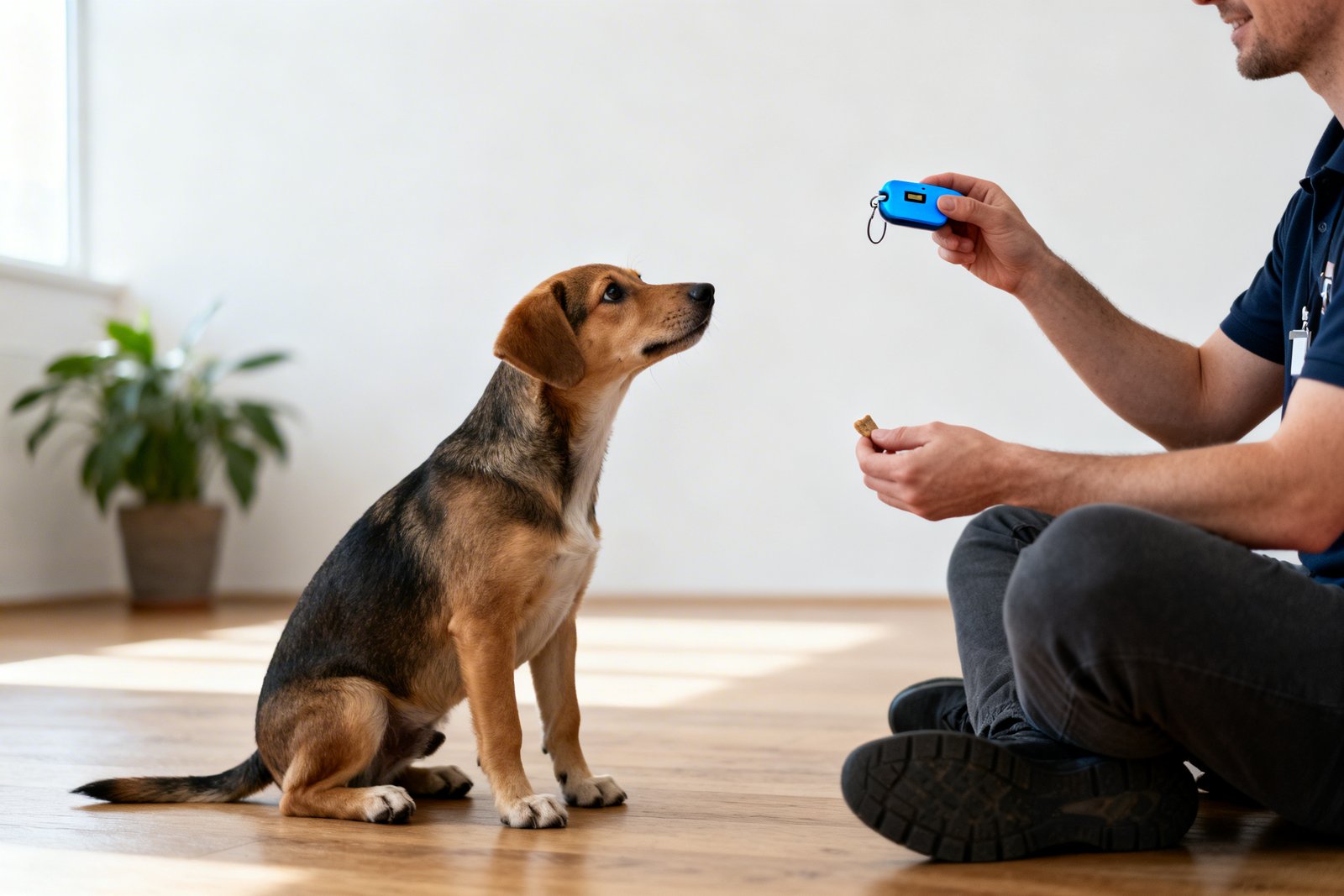
- Crate training makes everything easier. Treats + short sessions = magic.
- Try pheromone sprays for cats and anxious dogs.
They help, IMO.
- Ask your vet about anti-anxiety meds for very reactive pets before travel season.
Air, Road, and Everything Between
Different trips need different gear. Avoid “one-bag-fits-all” thinking.
Road Trips
- Harness/crate every ride. No loose pets.
It’s safer for everyone.
- Sun shades, cooling mats, and a 12V fan keep temps sane.
- Plan rest stops every 2–3 hours. Hydrate, potty, stretch.
Air Travel
- Check airline pet policies early. Dimensions and documentation vary.
- In-cabin carriers must fit under the seat.
Practice time in the carrier pre-flight.
- Skip sedatives unless your vet insists. Altitude + sedatives = risky combo.
- Attach a temp/humidity sensor tag if your pet must fly cargo.
Hiking/Camping
- Trail harness with ID, long line, and bear bell if appropriate.
- Booties for hot sand, snow, or rocky trails.
- Tick prevention on board and a tick check every evening.
Seasonal and Special-Needs Tweaks
One size never fits all. Customize your kit for climate and health.
- Hot weather: Electrolyte-safe water additives for dogs (vet-approved), cooling bandana, paw wax.
- Cold weather: Insulated jacket, thermal blanket, and a crate cover to block wind.
- Senior pets: Ramp, orthopedic mat, joint meds, and extra potty pads.
- Small animals/birds: Ventilated carriers, heat/cool packs, species-specific food, and chew-proof water bottles.
- Medical conditions: Backup meds for at least a week, printed dosing schedule, and your vet’s emergency number taped to the bag.
FAQ
How much food and water should I store for my pet?
Aim for at least 3 days of water and 3–7 days of food.
Store water separately from the go-bag to avoid leaks. Rotate food every couple of months so your pet doesn’t get surprise stale kibble during an evacuation.
What if my pet hates carriers?
Make the carrier a happy place before you need it. Feed meals inside it, toss high-value treats in, and keep the door open at home.
Short, positive sessions beat last-minute wrestling matches. Pheromone sprays can help, FYI.
Do I really need a crash-tested harness or crate?
If you drive with your pet regularly, yes. Sudden stops and accidents turn pets into projectiles.
Crash-tested gear reduces risk for them and for you. It also keeps first responders safer if they need to assist.
Which documents should I keep on hand?
Carry vaccination records, a rabies certificate, medication lists, prescriptions, your vet’s contact, and a recent photo of you with your pet. Keep digital copies on your phone and printed copies in a waterproof sleeve.
Can I use human first-aid supplies for pets?
Many basics overlap, but dosing and some products differ.
Use pet-safe antiseptics, confirm medication doses with your vet, and avoid human painkillers unless your vet tells you otherwise. Tape a dosing card inside your kit for quick reference, IMO.
What’s the best way to keep my pet calm during an evacuation?
Routine and familiarity. Use the same carrier, same bedding, same treats.
Keep your voice upbeat, stick to feeding times when possible, and take short walks or play sessions to burn nervous energy. Consider vet-approved anxiety aids if your pet struggles.
Conclusion
You don’t need fancy gear to be prepared—you need the right gear, packed smart, and a plan you practiced once or twice. Build the bag, train the basics, update IDs, and know where you’ll go.
That’s it. Do those things, and when life throws curveballs, you and your four-legged sidekick roll out like pros.
Related Posts