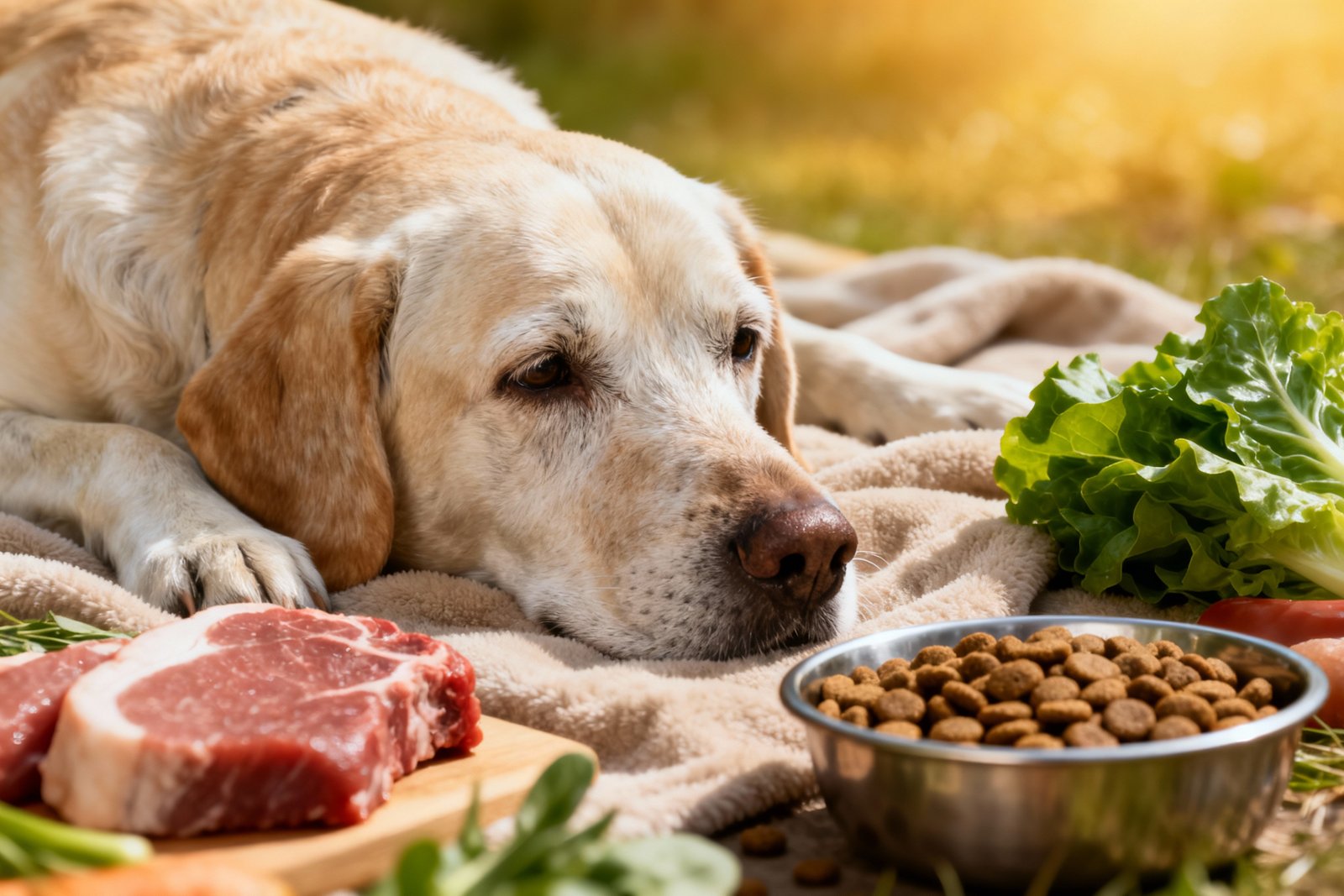
Your dog hits senior status and suddenly naps are a sport, stairs look suspicious, and dinner disappears slower than it used to. What changed? Mostly their body’s needs.
The good news: with a few tweaks to their bowl, you can keep your old buddy spry, comfy, and wagging. Let’s talk senior dog nutrition without the fluff—unless we’re talking their tail.
When Does a Dog Become “Senior,” Anyway?

Dogs don’t hit senior at the same age. Size matters—surprise!
Large breeds often qualify around 6-7 years old, while smaller dogs cruise until 8-10. Your vet might call them “mature adult” first, which is basically senior-lite. The label isn’t just about birthdays.
You’ll notice clues: slower walks, stiffer mornings, picky eating, or weight creeping up (or down). That’s your cue to adjust the menu.
What Actually Changes With Age
Aging isn’t just a mood—it changes metabolism, muscle mass, digestion, and hormones. Here’s the highlight reel:
- Slower metabolism: They burn fewer calories while sleeping like a log.
Portion sizes probably need a reality check.
- Less muscle mass: Dogs lose lean tissue with age, which can tank strength and mobility.
- Joint wear-and-tear: Cartilage says “I’m tired,” and inflammation says “hold my beer.”
- Digestive shifts: Some seniors handle fat poorly or get constipated more easily.
- Changing appetite: Dental issues, nausea, or cognitive changes can mess with hunger cues.
Calories, Protein, and Fat: The Big Three
You don’t need a spreadsheet to feed your dog, but these basics help.
Calories: Trim, Not Starve
Most seniors need fewer calories to maintain weight. But don’t swing too hard—undereating steals muscle. Aim to keep a visible waist and palpable ribs under a thin fat layer.
If your dog gains, cut portions by 10-15%. If they lose, bump up by 10% and call your vet if it continues.
Protein: More Important Than Ever
Older dogs need high-quality protein to preserve muscle. Look for foods with real animal protein as the first ingredient and at least 24-28% protein on a dry matter basis for most seniors. FYI, unless your dog has diagnosed kidney disease, you shouldn’t restrict protein.
IMO, protein fear for seniors gets way too much airtime.
Fat: Quality Over Quantity
Moderate fat keeps energy steady without piling on pounds. Many seniors do well with slightly lower fat than in their younger years, especially if they’re couch potatoes. Focus on healthy fats like omega-3s rather than chasing ultra-low-fat numbers unless your vet says so.
Carbs, Fiber, and Digestive TLC
Carbs aren’t evil; they just need a job.
For seniors, that job is gentle energy and digestive support.
- Complex carbs: Sweet potato, oats, and barley beat sugary fillers for steady energy.
- Fiber: A little extra helps with weight control and poop quality. Think 3-7% crude fiber for most seniors.
- Prebiotics and probiotics: These support gut health and can reduce gas, diarrhea, or constipation.
Constipation vs. Diarrhea
Senior dogs can bounce between both—fun, right?
For constipation, add water, canned food, or a vet-approved fiber supplement. For diarrhea, keep fiber moderate, choose highly digestible foods, and consider probiotics. If either lasts more than a couple of days, talk to your vet—don’t DIY forever.
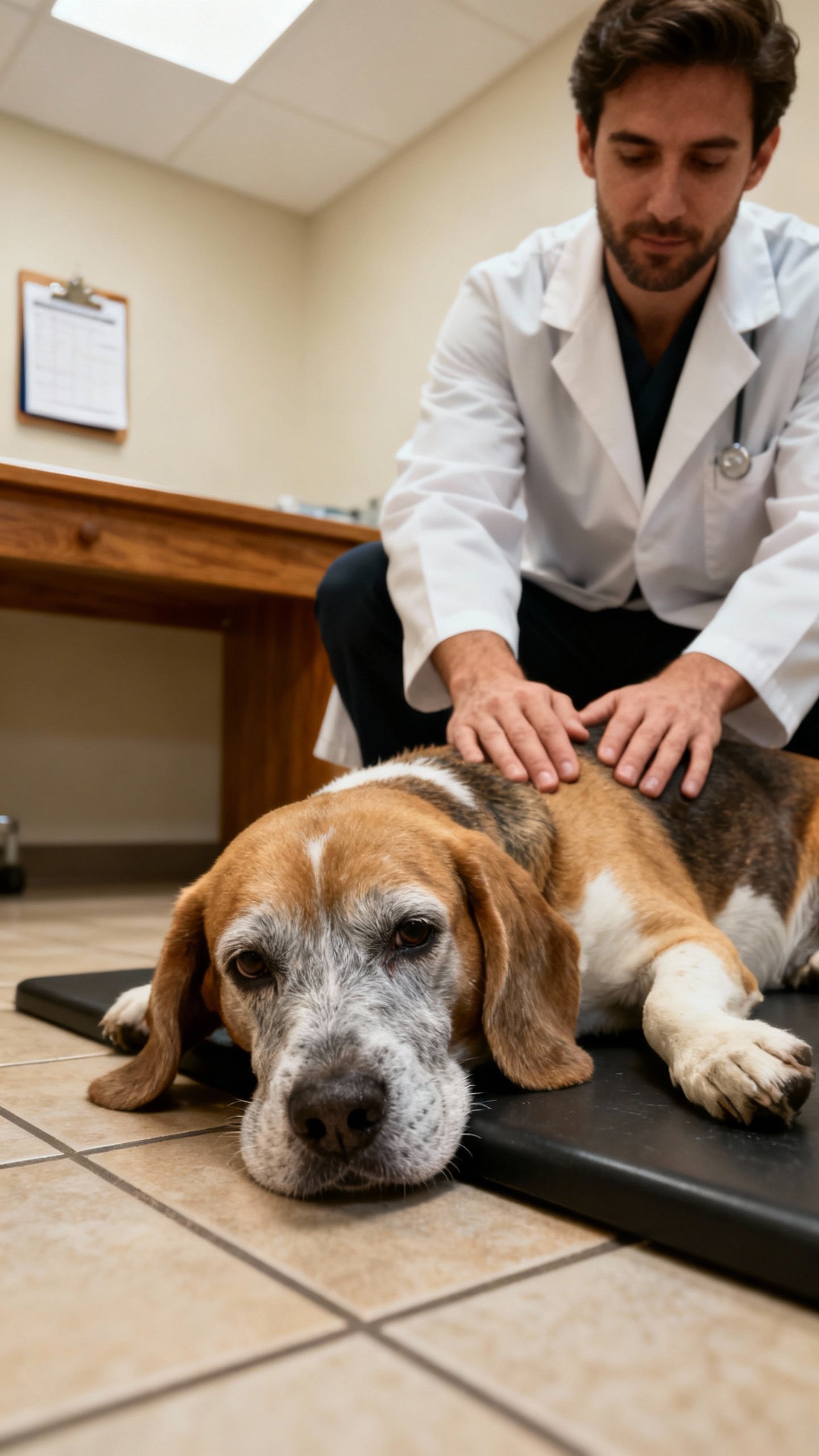
Joint, Brain, and Heart: Nutrients That Pull Extra Weight
This is where smart additions pay off.
These nutrients won’t reverse aging (if only), but they help your dog feel better, move easier, and stay sharp.
- Omega-3s (EPA/DHA): Reduce inflammation, support joints, brain, and skin. Many senior dogs benefit from fish oil. Ask your vet about dosing (often 50–100 mg/kg EPA+DHA daily).
- Glucosamine + chondroitin: Joint support classics.
Not magic, but many dogs move easier with them.
- Green-lipped mussel: A nice all-in-one joint helper with omega-3s and glycosaminoglycans.
- Antioxidants (vitamin E, vitamin C, lutein, polyphenols): Brain and immune support. Some senior diets add them; you can also use vet-approved supplements.
- MCTs (medium-chain triglycerides): Support brain energy in dogs with cognitive decline.
- Taurine + L-carnitine: Support heart health and fat metabolism, especially in certain breeds.
What About Multivitamins?
If you feed a complete and balanced diet, you usually don’t need a multi. Over-supplementing can backfire.
Add targeted extras only when you have a goal—joints, brain, skin, heart—and ideally with your vet’s thumbs-up.
Hydration, Texture, and Appetite Hacks
Older dogs forget to drink or struggle to chew. Food form matters more now.
- Hydration: Add warm water or low-sodium bone broth to kibble. Canned food boosts water intake without nagging.
- Texture: Dental disease is common.
Soften kibble, switch to wet food, or choose smaller bites.
- Appetite: Warm the food, rotate flavors within the same brand line, or try toppers like plain pumpkin, sardines in water, or a spoonful of plain yogurt.
- Feeding schedule: Smaller, more frequent meals can help with nausea, reflux, or picky moods.
Special Cases: When to Pivot the Plan
Senior nutrition gets personal fast. Certain conditions call for specific tweaks.
Arthritis and Mobility Issues
Choose a diet with joint support and higher omega-3s. Keep them lean—extra weight makes joints miserable.
Elevated bowls and non-slip mats help too.
Kidney Disease
This is the exception to the “protein is great” rule. Prescription kidney diets lower phosphorus and adjust protein and sodium. Don’t guess—your vet will guide the switch.
Heart Disease
Look for moderate sodium and consider taurine/carnitine with your vet’s input.
Keep weight stable—too skinny or too chonky both stress the heart.
Diabetes
Focus on consistent portions, predictable carbs, and steady meal timing. Fiber and complex carbs help even out blood sugar.
Dental Trouble
Soft foods, dental diets, or post-cleaning feeding plans can keep calories up when chewing hurts. Don’t let dental pain kill appetite and muscle.
How to Choose a Senior Dog Food (Without Melting Down in the Aisle)
Senior labels vary wildly, so read beyond the marketing.
- AAFCO statement: Look for “complete and balanced for adult maintenance” or “all life stages.”
- Protein quality: Real meat or fish up top; named meals are fine too.
Avoid mystery “by-products” unless specified.
- Omega-3s present: Ingredients like fish oil or menhaden fish meal are good signs.
- Digestibility: Foods that brag about digestibility, or brands that publish it, usually sit better with seniors.
- Reputable brand: Companies with a vet nutritionist on staff and feeding trials earn bonus points.
IMO, the “best” food is the one your dog eats happily, poops well on, and maintains a healthy weight with good energy. Fancy bag, schmancy bag—results matter.
Sample Daily Senior Routine
Not a rigid plan—just a vibe check for what a good day looks like.
- Two to three small meals of a complete senior-friendly diet.
- Fish oil with breakfast; joint supplement at dinner if needed.
- Hydration boost: add warm water or a splash of broth to meals.
- Short, frequent walks plus light strength work (gentle hills, slow stairs, sit-to-stand).
- Weight check weekly. Adjust portions by 10% as needed.
FAQ
Do all senior dogs need fewer calories?
Not all.
Couch potato seniors usually do, but some older dogs lose weight, especially if they have dental pain, malabsorption, or early disease. Track body condition, not just age. If ribs vanish under fluff or your dog loses muscle, talk to your vet and adjust.
Should I switch to a “senior” labeled food automatically?
Nope.
The label means different things across brands. If your current adult food keeps your senior lean, strong, and regular, you can keep it. Switch when you need more joint support, better digestibility, or different calories.
Is higher protein safe for seniors?
For healthy kidneys, yes—and often beneficial.
Protein maintains muscle, which supports mobility and metabolism. If your dog has kidney disease, your vet will tailor protein and phosphorus. Don’t restrict on your own.
What’s the best supplement for older dogs?
If I had to pick one, omega-3s win for joint, brain, and skin benefits.
After that, choose based on needs: glucosamine/chondroitin for joints, MCTs for cognitive decline, probiotics for gut health. Keep it targeted, not a supplement smoothie.
Is wet food better for senior dogs?
It can be. Wet food boosts hydration and is easier to chew.
Many seniors thrive on a mix of wet and dry. Just watch total calories and keep portions consistent.
How often should I weigh my senior dog?
Every 2-4 weeks at home or the vet. Small swings matter more now.
Quick adjustments prevent big problems, and FYI, catching weight loss early can reveal hidden issues.
Bottom Line
Your senior dog doesn’t need a complete diet overhaul—just thoughtful tweaks. Prioritize lean body weight, quality protein, smart fats, and digestive support. Layer in omega-3s and condition-specific extras when needed. Watch appetite, stools, and energy like a hawk.
Do that, and your old pal will keep bossing the couch for years—with style.
Related Posts