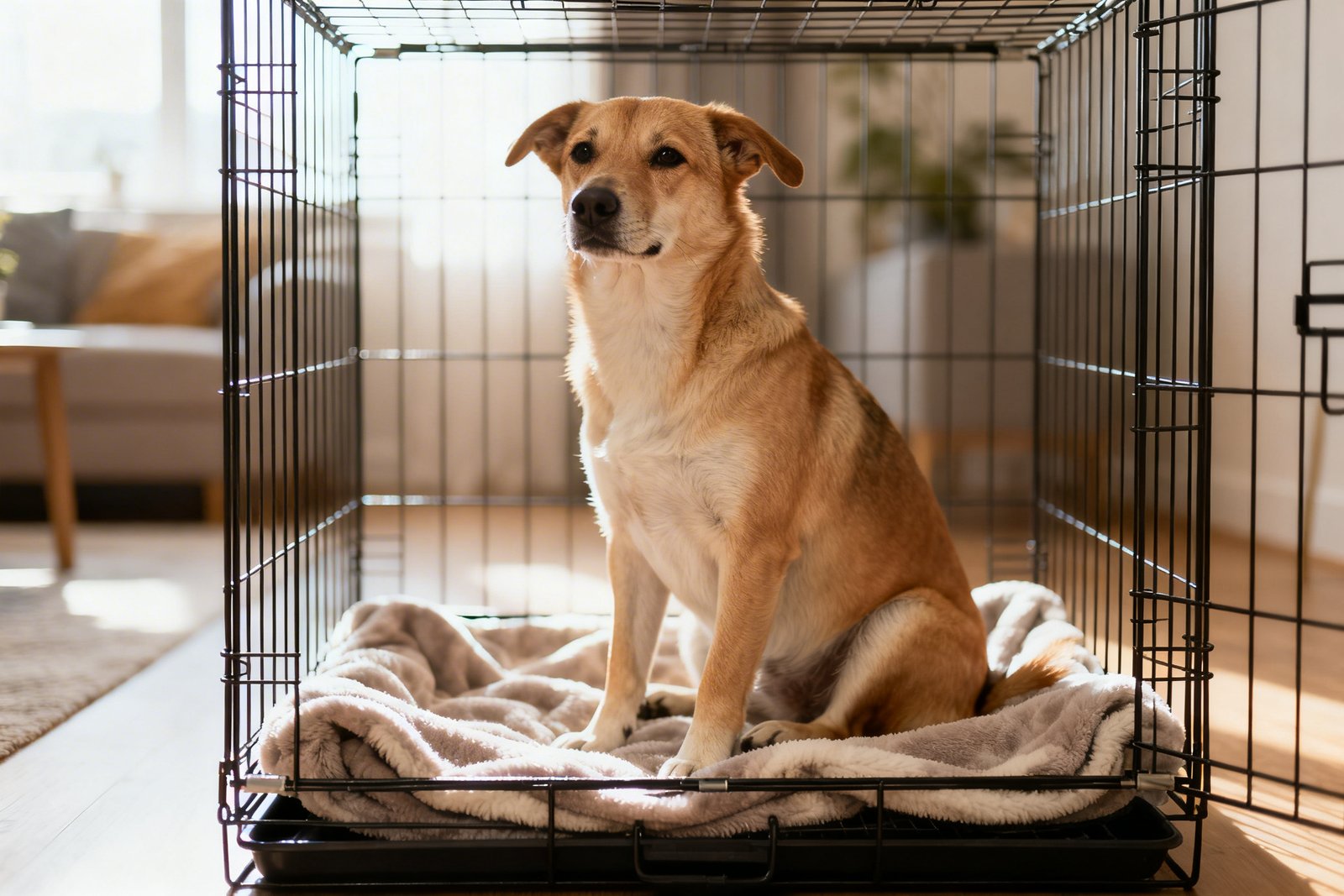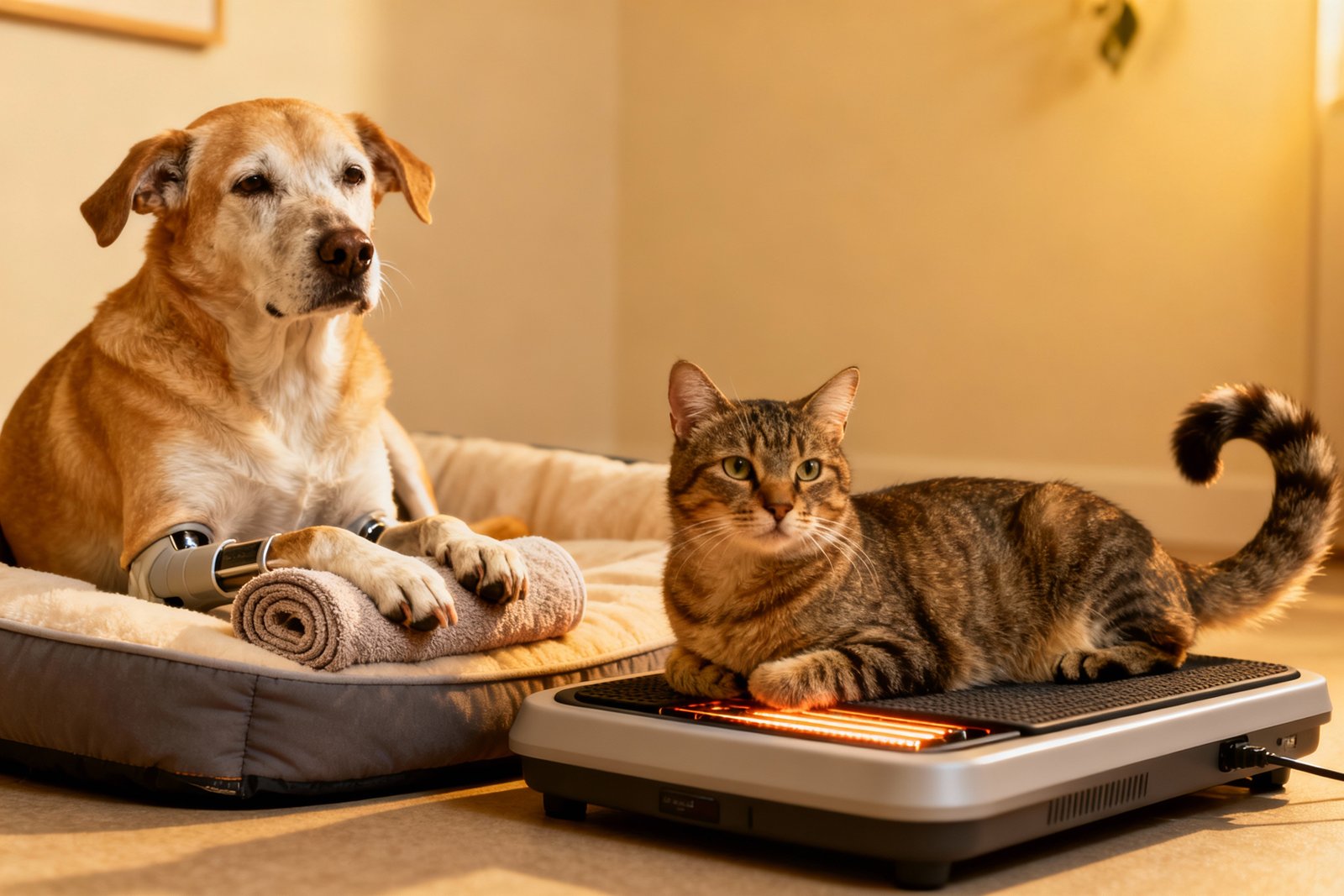
Your senior pet still looks at you like a puppy or kitten trapped in a veteran’s body. But then they hesitate before jumping on the couch, or they slow down on walks, or they sleep a little harder. That’s not “being stubborn.” That’s likely arthritis tapping on the door.
The good news? You can manage it, keep them comfy, and bring back a surprising amount of zip.
Spotting the Sneaky Signs
Arthritis rarely shows up with a big neon sign. It creeps in.
You’ll notice tiny changes that add up over months. If your dog or cat starts to “think” before moving, that’s a clue.
- Slower stairs or car entries – Hesitation, hopping, or needing a boost.
- Stiffness after naps – First few steps look creaky, then they warm up.
- Behavior changes – Grumpiness, less interest in play, or hiding (cats love this tactic).
- Grooming updates – Matted fur on the back or hips because twisting hurts.
- Subtle lameness – One leg bears less weight, especially after activity.
FYI: Cats are elite-level pain maskers. If you think your cat “just likes sleeping,” you might be missing arthritis.
Vet Time: What To Expect
You don’t need a dramatic limp to book an appointment.
Early intervention changes everything. Your vet will run through a history, palpate joints, and may recommend X-rays. Sometimes they’ll suggest blood work to make sure organs can handle long-term meds.
Ask These Smart Questions
- Which joints are involved, and how bad is it?
- What’s our first-line pain control, and what’s plan B?
- Any supplements worth adding now?
- When should we recheck, and what signs mean “call ASAP”?
IMO, a pain trial (carefully prescribed) often tells you more about comfort than a single X-ray.
If your pet perks up with treatment, that’s data.
Pain Relief That Actually Works
You’ve got options. Not every pet needs everything, but combining approaches often brings the best results.
Medications
- NSAIDs – The backbone of arthritis care for dogs. Vet-prescribed only.
Never give human meds unless your vet says so (seriously, ibuprofen can be dangerous).
- Adjunct pain meds – Options like gabapentin or amantadine help nerve-related discomfort and amplify relief.
- Joint injections – Intra-articular therapies (e.g., hyaluronic acid, regenerative options) can help specific joints when oral meds fall short.
Supplements
Supplements won’t resurrect a puppy, but they can support joint health over time.
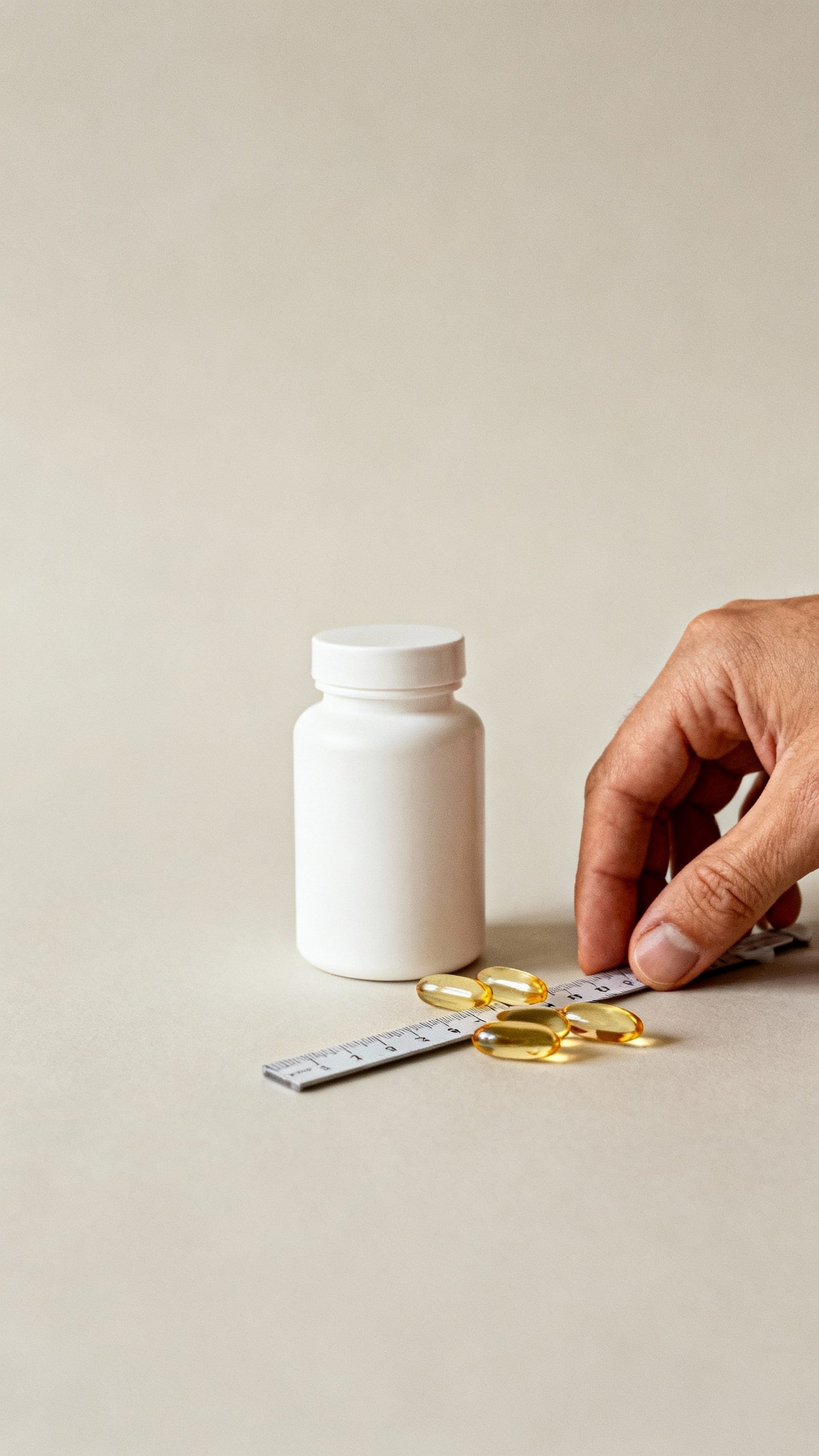
- Omega-3s (EPA/DHA) – The most evidence-backed supplement for inflammation. Look for fish oil with the exact EPA/DHA amounts listed.
- Glucosamine/chondroitin – Mixed evidence, but some pets benefit. Choose veterinary-grade products.
- Green-lipped mussel – A solid add-on for many dogs and some cats.
- Joint chews with turmeric or Boswellia – Can help, but treat them like add-ons, not magic beans.
Pro tip: Pick one supplement to start, track changes for 6-8 weeks, then adjust.
Otherwise you’ll never know what’s doing what.
Movement: The Goldilocks Plan
We don’t stop moving because we get old. We get old because we stop moving. Same for pets.
The right exercise keeps joints lubricated, muscles strong, and minds happy.
- Short, frequent walks – Think 2-4 mini walks instead of one marathon. Keep it steady and avoid weekend-warrior energy.
- Controlled play – Gentle fetch on grass, not slippery floors. Ditch the abrupt stops and flying Frisbees.
- Low-impact favorites – Swimming or underwater treadmill if you have access.
Great for joints, great for mood.
- For cats – Short play bursts with wand toys, easy vertical access (ramps), and puzzle feeders to get them moving without parkour.
Warm-Up and Cool-Down
A minute of slow walking to start, a minute to finish. Sounds basic, works wonders. You can also add gentle range-of-motion exercises if your vet or rehab therapist teaches you how.
Home Hacks That Make Life Easier
Your house can help your pet feel like a genius again.
Or at least not a baby deer on ice.
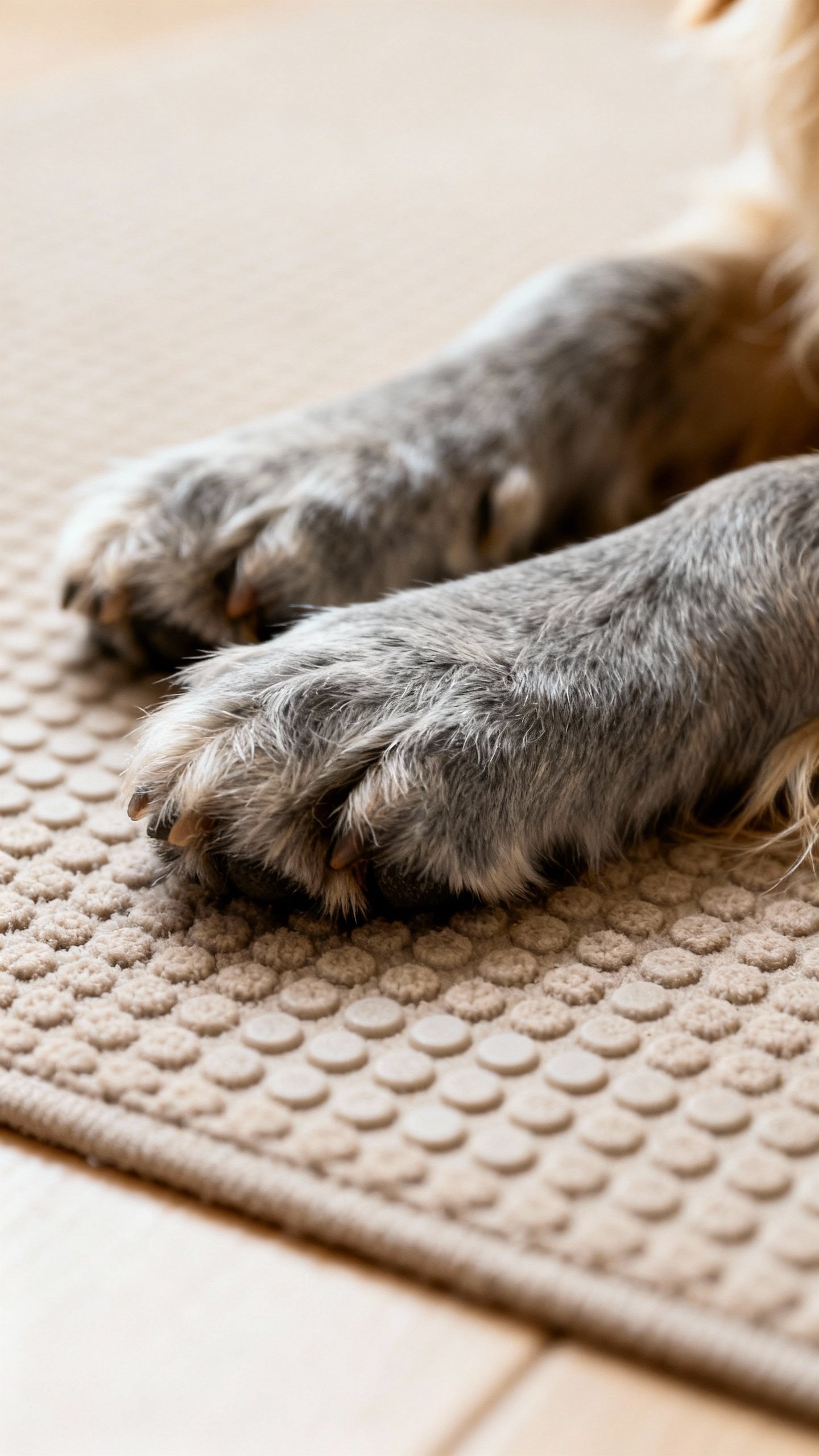
- Traction – Place rugs or runners on slick floors. Toe grips or booties can help some dogs.
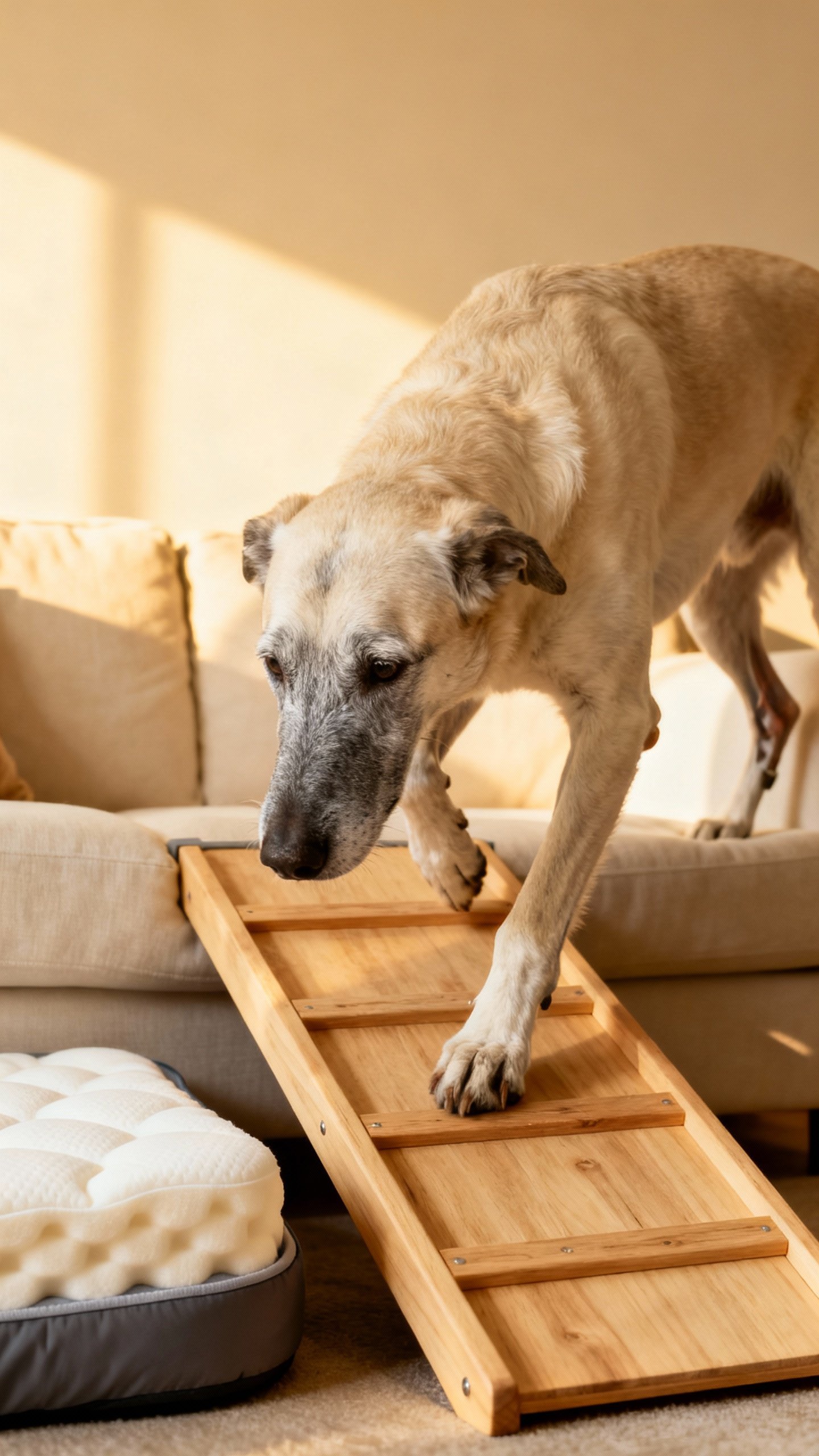
- Ramps and steps – For beds, couches, cars, and window perches. Teach with treats; don’t rush.
- Orthopedic beds – Memory foam with a washable cover.
Support matters more than fluff.
- Elevated food/water bowls – For pets with neck, shoulder, or elbow issues.
- Warmth – Heat helps stiffness. A warm bed or a heated pet mat (with supervision) can be bliss.
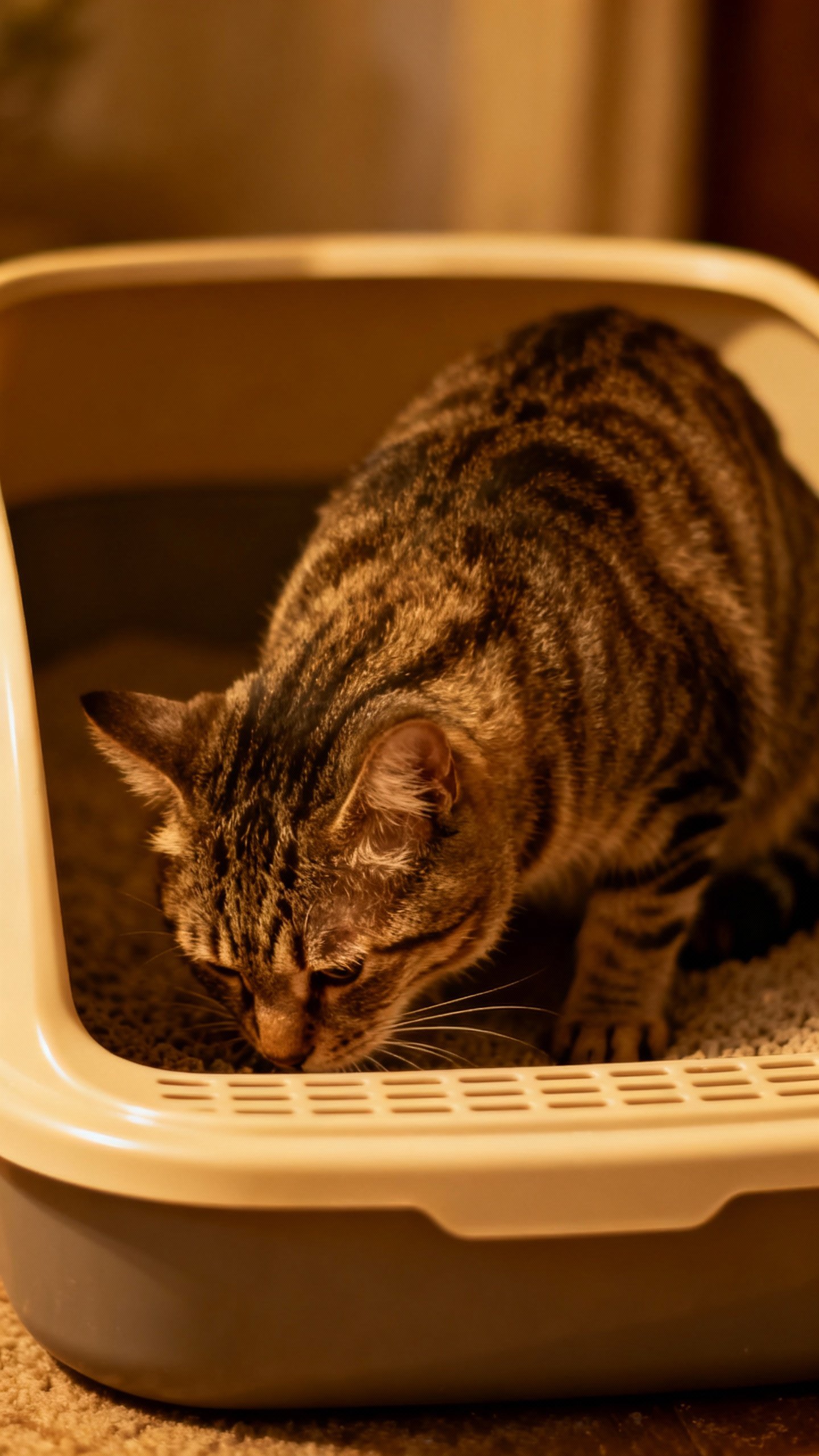
- Litter box upgrades for cats – Low-entry boxes, bigger sizes, and more locations.
Small wins add up. Every slip avoided is one less flare-up.
Weight: The Not-So-Secret Weapon
If your pet carries extra fluff, arthritis will scream about it. Weight loss remains the single most powerful, underrated treatment.
How to Actually Do It
- Measure every meal – Use a scale, not a scoop.
Scoops lie.
- Pick a joint-friendly diet – Some veterinary diets include joint support and calorie control.
- Treat math – Treats should be under 10% of daily calories. Use part of the meal as “treats,” or try crunchy veggies for dogs.
- Set goals – 1% body weight loss per week is safe for dogs; slower for cats to avoid hepatic lipidosis.
I know, fewer snacks feels mean. But when that first pep returns to their step?
Worth it.
Rehab, Acupuncture, and Other Good Stuff
Yes, physical therapy exists for pets—and it’s awesome. Certified rehab therapists can customize exercises, use modalities like laser therapy, and track progress.
- Therapeutic exercises – Sit-to-stand drills, balance work, and targeted strengthening.
- Laser therapy – Can reduce pain for some pets.
- Acupuncture – Many arthritic pets relax deeply and show improved comfort; individual results vary.
- Massage – Gentle, consistent massage helps tight muscles compensate less.
IMO, pairing medical management with rehab turns “meh” improvement into “wow, who is this dog/cat?”
Monitoring: Become a Comfort Detective
Write down what you see. Not a novel—just a quick weekly check.
- Energy – More eager to walk?
Less hesitant?
- Mobility – Stairs, car, couch access improving?
- Sleep – Restless at night can mean pain.
- Appetite and mood – Pain steals joy. Joy returning = progress.
If your pet suddenly worsens, call your vet. Flare-ups happen, and dose adjustments or rest periods help.
FAQ
How do I know if my pet’s arthritis is painful enough for meds?
If you see stiffness after rest, reluctance to jump or climb, mood changes, or limping after activity, your pet hurts.
Don’t wait for dramatic signs. Talk to your vet about a pain trial and monitor response. Improvement confirms pain—and the right plan.
Are human pain meds safe for pets?
Nope.
Many human meds (ibuprofen, acetaminophen, naproxen) can cause organ damage or death in pets. Always use veterinary-prescribed medications in the correct dose. When in doubt, call your vet before giving anything.
Do I need X-rays to start treatment?
Not always.
Vets often diagnose based on age, exam, and signs. X-rays help with planning, rule-outs, and baseline tracking, but they’re not required to start pain control in many cases. Your vet will guide you.
Which supplement should I start first?
Start with a high-quality omega-3 (EPA/DHA) at vet-recommended doses.
It has the best evidence for reducing inflammation. You can add others (glucosamine, green-lipped mussel) later if needed.
Can my pet still play fetch or chase toys?
Yes—with adjustments. Short, controlled sessions on non-slippery surfaces work well.
Avoid high-impact moves, sharp turns, or marathon sessions. Think “fun but joint-friendly.”
When should I consider rehab therapy?
Any time, honestly. But especially if you’re not seeing enough improvement with meds and home changes, or if your pet struggles with specific activities like stairs or car entry.
Rehab pros design targeted, safe exercises and can speed up progress.
Conclusion
Arthritis doesn’t mean the party’s over—it just means you change the playlist. With smart meds, joint-friendly movement, home upgrades, and a laser focus on weight and comfort, your senior pet can thrive again. You’ll see brighter eyes, smoother steps, and more “let’s go!” energy.
And that’s the whole point, right? Keep them comfy, keep them moving, and keep enjoying life together.
Related Posts