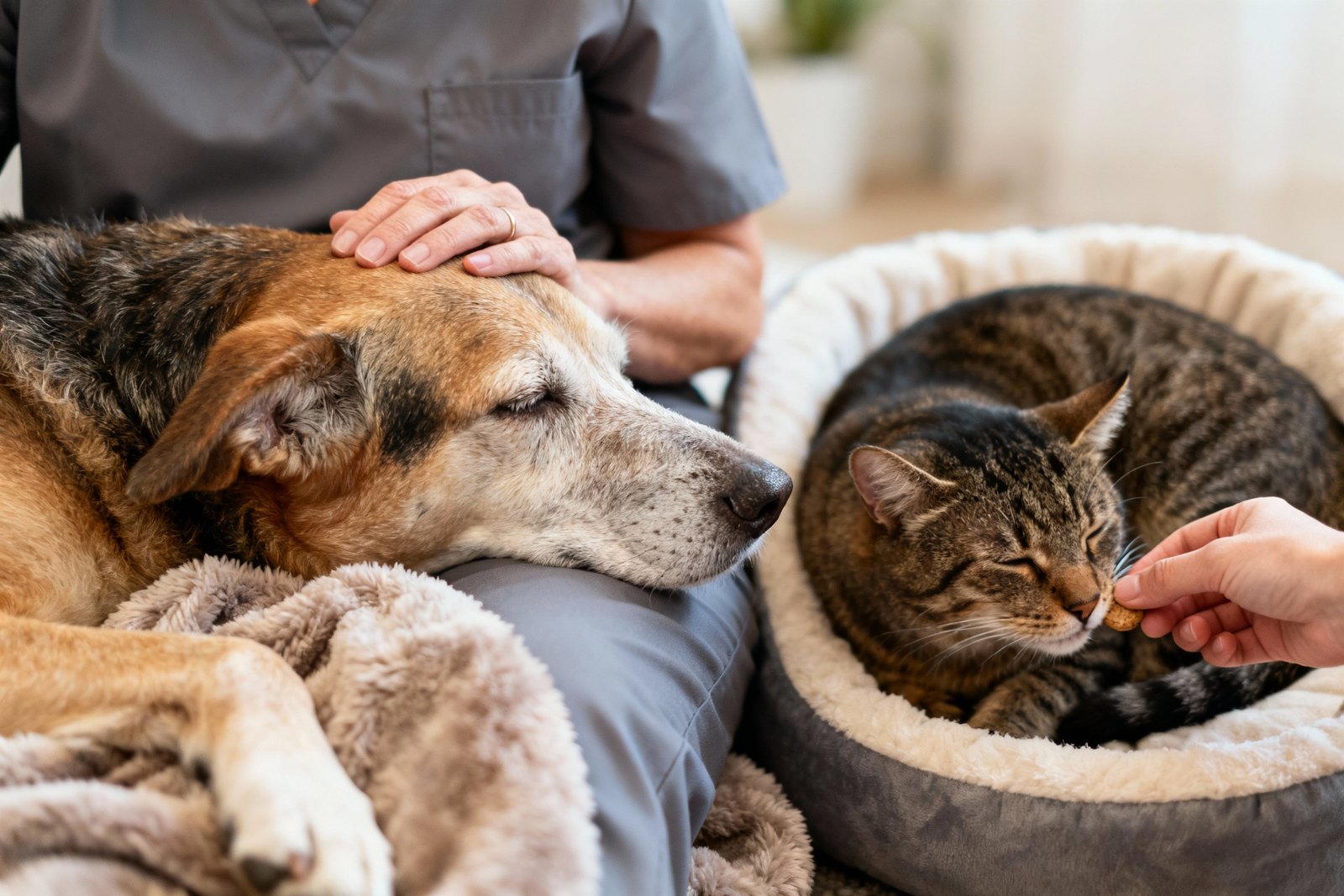
Goodbyes with pets never feel fair. You get a lifetime of love, and then—cruel plot twist—you have to decide how to help them leave with dignity. It’s heavy, and it’s hard, and if you’re here, you probably want to do right by your furry best friend.
Good. Let’s talk about the gentle art of saying goodbye, without the clinical jargon or the sugarcoating.
Knowing When It’s Time

No one hands you a calendar with “final day” circled. You’ll probably wrestle with doubt.
Still, you can look for patterns and cues.
- Quality of life: Are they still eating, drinking, and enjoying cuddles? Or do they hide, refuse food, and avoid you?
- Pain and mobility: Limping, panting, restlessness, or crying can signal discomfort that meds no longer manage.
- Bad days vs. good days: Keep a simple journal or a calendar. If the bad days outnumber the good, that’s a sign.
The “HHHHHMM” Scale (But Make It Simple)
Vets use a scale that looks at Hurt, Hunger, Hydration, Hygiene, Happiness, Mobility, and More good days than bad.
You don’t need a spreadsheet. Just ask: can I keep them comfortable, clean, and content most days? If not, they’re telling you something—even if you wish they weren’t.
Comfort First: Palliative and Hospice Care
You don’t need to rush to the end.
You can make the in-between gentle and meaningful.
- Pain management: Ask your vet about combo therapies—NSAIDs, gabapentin, tramadol, or even acupuncture.
- Supportive care: Fluids, anti-nausea meds, appetite stimulants, joint supports, ramps, and soft bedding.
- Routine tweaks: Short, frequent potty breaks. Warm sleeping spots. Favorite snacks (if safe).
Quiet spaces.
- Hygiene: Keep fur, skin, and eyes clean to prevent infections and discomfort.
Home Hospice 101
Set up a “comfort zone” with water within reach, non-slip rugs, and low light. Keep noise low and visitors calm. You don’t need to bubble-wrap your life—just make it cozy and predictable.
IMO that matters even more than fancy meds sometimes.

Choosing Euthanasia: Hard, Loving, Necessary
Euthanasia means giving them a peaceful exit before suffering takes over. It’s not giving up. It’s stepping up.
- Talk to your vet: Ask honest questions about pain, prognosis, and what “too far” looks like.
- Home vs. clinic: Home euthanasia offers privacy and comfort.
Clinics provide a supportive environment too. Choose what feels right—not what Instagram says.
- Plan the day: Favorite snacks, comfy blanket, calm music. Invite who matters.
Keep it simple.
What Actually Happens
The process usually involves a sedative first, so your pet gets sleepy and relaxed. After that, the vet gives a final injection that stops the heart painlessly. You might see small reflexes (breathing motions, twitching).
It looks unsettling, but they don’t feel it. You’re still doing the kindest thing.
Making Meaning: Rituals and Remembrance
You don’t need to go full Pinterest to create a beautiful goodbye. Small, personal gestures work wonders.
- Last-day bucket list: One final car ride.
A cheeseburger. Sunbathing on the porch like the king/queen they are.
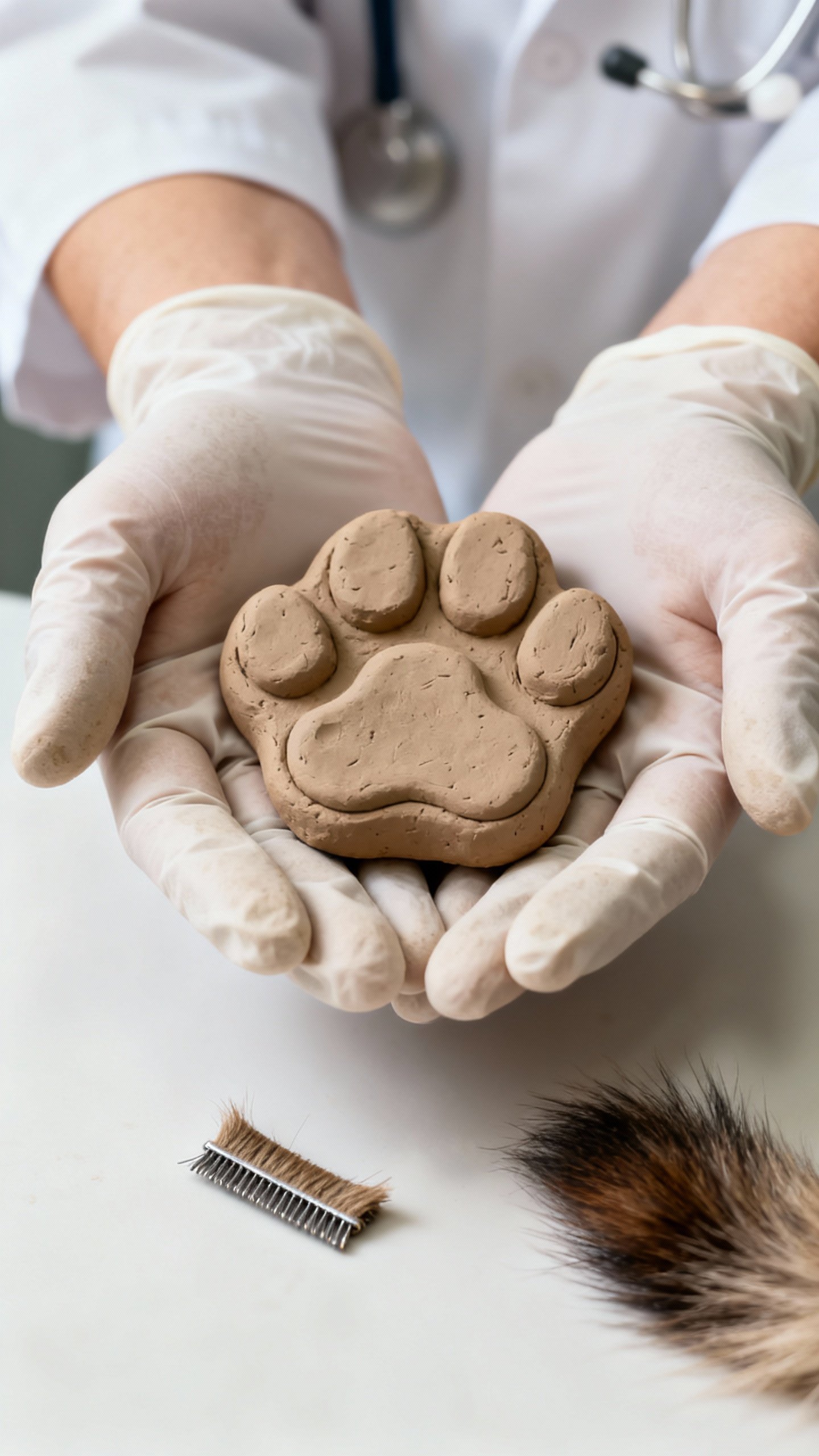
- Memory keepsakes: Paw prints, a snip of fur, a collar shadow box, a favorite toy on a shelf.
- Words matter: Write a letter, record a voice memo, or say the things out loud: “Thank you. I love you.
You can rest now.”
Aftercare Options
You can choose communal cremation, private cremation, or burial (check local laws). Some services collect your pet from home and return ashes with a certificate. Ask for transparency about timing and handling. FYI, you can also plant a memorial tree or create a garden space—tiny rituals help big hearts.
Helping Kids (And Adults) Understand
Kids handle truth better than confusing euphemisms.
Don’t say “went to sleep”—that can scare bedtime forever.
- Be clear: “Her body stopped working, and she died. She doesn’t feel pain anymore.”
- Include them: Let kids draw a picture, say goodbye, or choose a toy for the blanket.
- Share memories: Make a photo book. Tell the silly stories.
Laugh and cry together.
Grief Looks Weird, and That’s Normal
You might feel relief, guilt, anger, or nothing for a while. Yes, “nothing” happens too. Grief ebbs and flows.
Keep eating, keep sleeping, and talk to someone who gets it. Pet loss hotlines and support groups exist for a reason. IMO, people who’ve been there give the best hugs.
Planning Ahead (Because Future You Will Thank You)

It feels strange to plan, but it saves you from making painful decisions in panic mode.
- Talk finances: Ask your vet for itemized estimates—exam, sedation, euthanasia, cremation, keepsakes.
- Pick a location: Decide on home or clinic.
Book in advance when possible to avoid emergency stress.
- Logistics: Who drives? Who stays? What music or blanket?
Where will the other pets be?
- Aftercare: Choose cremation or burial, and make arrangements now. You’ll appreciate the clarity later.
Support Squad
Line up a friend to check in, bring food, or walk your other pets. Ask a family member to call the vet if speaking feels impossible.
You don’t have to “be strong.” Delegation is strength, FYI.
What to Expect From Your Other Pets
Pets notice when a buddy doesn’t come back. You might see searching behavior, changes in appetite, or extra clinginess.
- Let them sniff the blanket or space if you want to help them process.
- Keep routine steady: Meal and walk times act like anchors.
- Watch for depression: If eating or energy drops for more than a few days, call your vet.
FAQ
How do I know I’m not “giving up” too soon?
Ask yourself: am I keeping them here for them or for me? If you can’t control pain, nausea, anxiety, or breathlessness, earlier is kinder than later.
Most people wait too long out of love and fear. Your vet can help you assess objectively.
Should my kids or other pets be present during euthanasia?
It depends on age, temperament, and comfort. Kids who want to say goodbye can benefit from being involved in simple ways.
For other pets, presence can help them understand, but you know them best. Choose calm over chaos.
What if my pet has a sudden crisis at night or on a weekend?
Find your nearest 24/7 emergency clinic now and save the number. Keep a “go bag” with meds, records, a blanket, and payment method.
If your pet spirals into distress, you’ll have a plan. Preparation beats panic every time.
Can I feed them “forbidden” foods on their last day?
Usually yes, if they can keep it down and it won’t cause pain. A burger or ice cream can feel like a celebration of their life.
If certain foods trigger vomiting or pancreatitis, skip those. Comfort first, party second.
What should I expect emotionally afterward?
Waves. You’ll have okay days and floored-by-a-sock-on-the-floor days.
That’s normal. Mark the anniversary, write a letter, or donate in their name. If you feel stuck or overwhelmed for weeks, a therapist or grief counselor can help.
How long should I wait before getting another pet?
There’s no timer.
Some people adopt quickly and feel better with a new routine. Others need months. Honor your pace.
When you can think about a new pet without expecting them to be a clone, you’re ready.
Conclusion
Saying goodbye to a pet asks you to be brave in a very quiet way. You make tender choices, you show up, and you let love lead, even when it breaks your heart. If you aim for comfort, presence, and honesty, you won’t do it wrong.
And when the ache softens, you’ll notice something else they left behind: a gentler version of you.
Related Posts