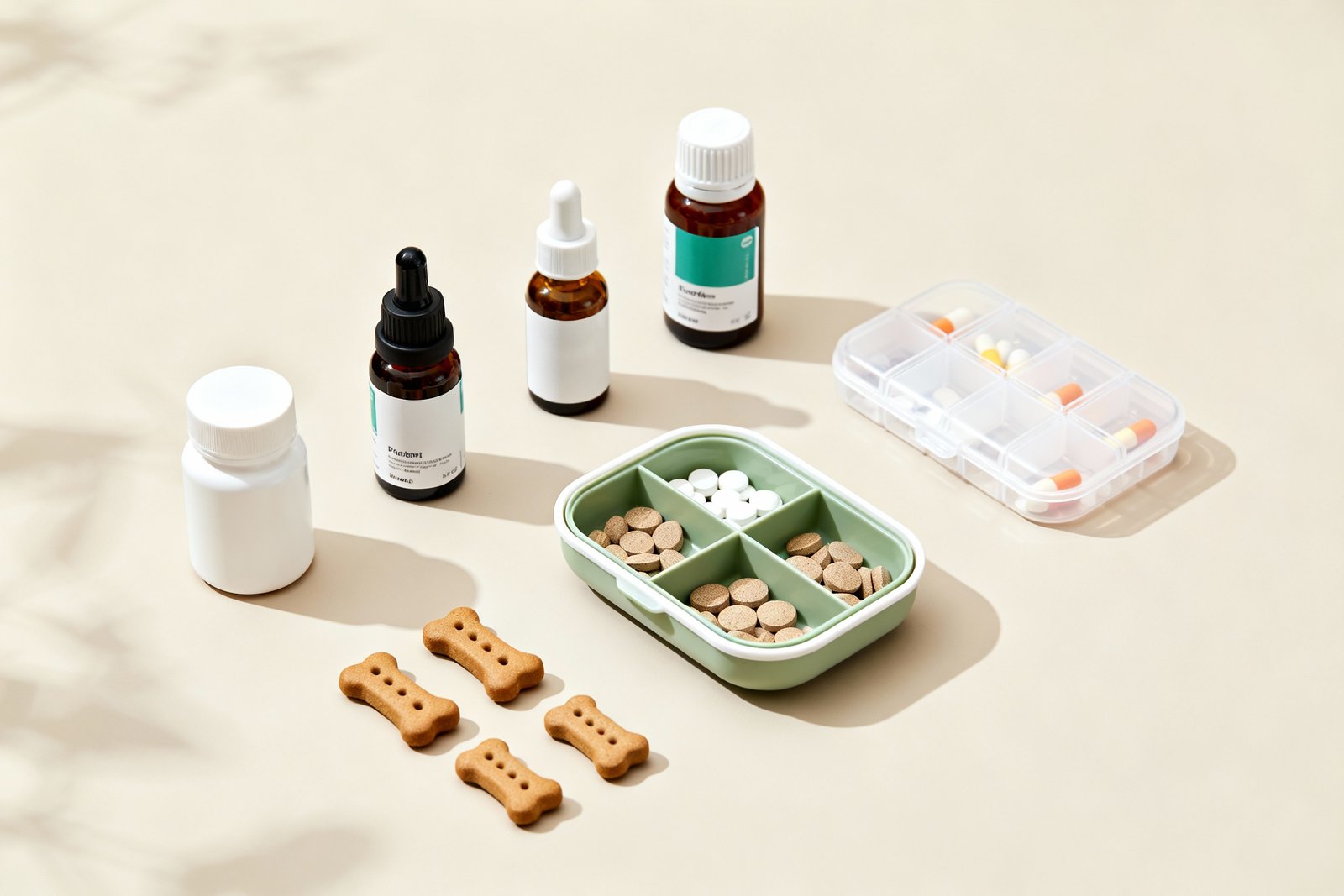
Your pet can’t read labels, but they trust you to pick the good stuff. That means meds that work, supplements that actually help, and gadgets that make life easier. Whether your dog eats socks for sport or your cat acts like a Victorian child with “a delicate constitution,” smart health choices keep them thriving.
Let’s decode pet medications and health items so you can stock your shelf like a pro.
Prescription vs. Over-the-Counter: What’s the Difference?
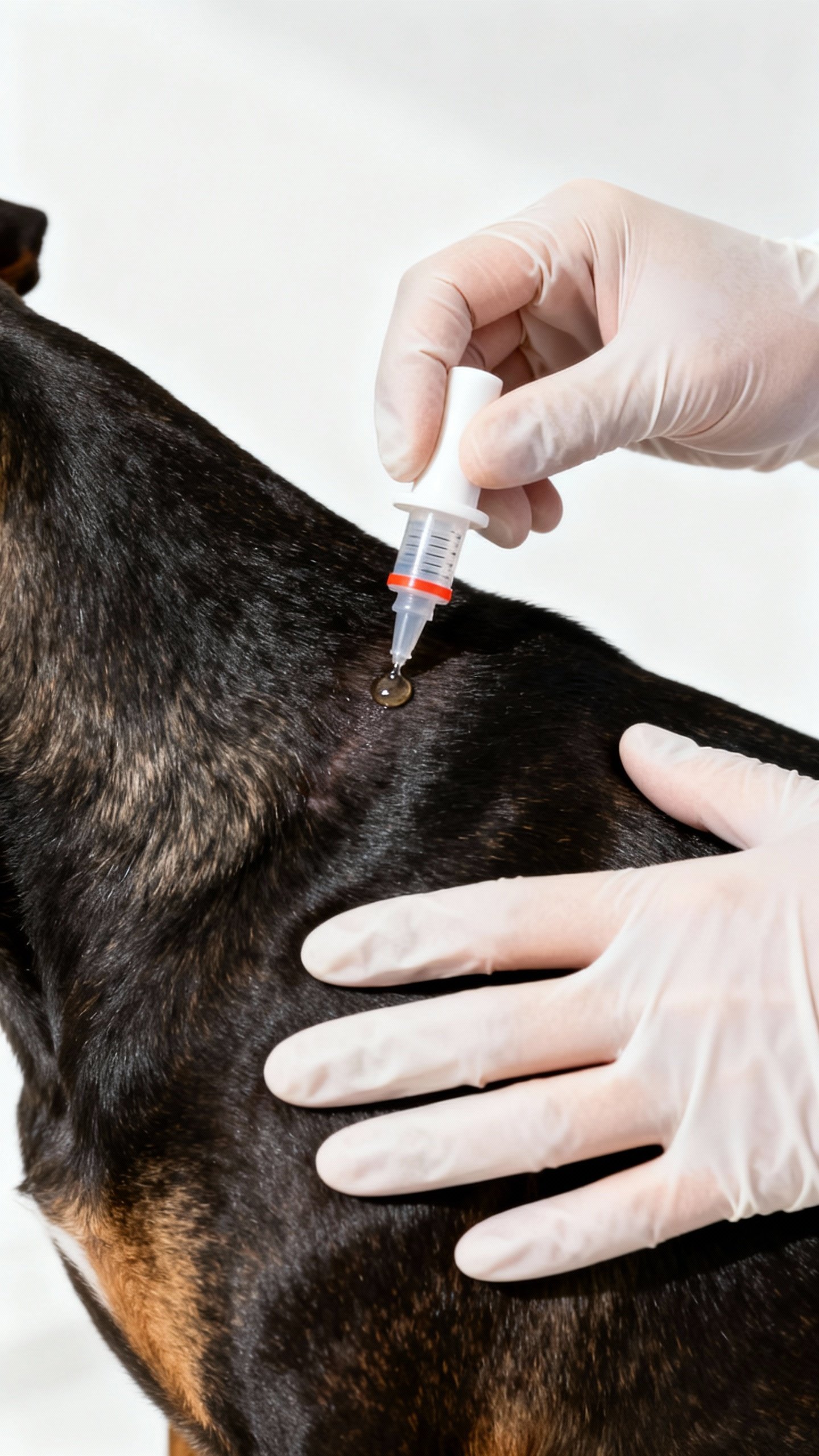
Not all pet health items play in the same league. Some need a vet’s signature, while others sit happily in your cart next to the treats.
- Prescription meds: Antibiotics, pain relievers, insulin, heart meds, and certain anti-anxiety drugs.
Your vet diagnoses and prescribes the exact dose.
- OTC essentials: Flea/tick preventatives (some are OTC, some Rx), dewormers, ear cleaners, antiseptic sprays, joint supplements, probiotics, and dental chews.
- When in doubt, ask: If a product claims miracle cures, pause. Real meds come with specific dosing and clear directions, not vague promises.
Red Flags to Watch For
- “All-natural” doesn’t mean safe: Tea tree oil can be toxic to pets. So can too much garlic.
Hard pass.
- Human meds ≠ pet meds: Ibuprofen or acetaminophen can be deadly. Don’t improvise.
- Fake products online: Buy from your vet, trusted pharmacies, or manufacturers’ authorized sellers.
The Non-Negotiables: Core Health Items Every Pet Parent Needs
Let’s talk must-haves. You don’t need a pharmacy’s worth of stuff, just a tight, reliable kit.
- Flea & tick control: Monthly topical, oral chews, or collars.
Pick based on your pet’s lifestyle and local pests.
- Heartworm prevention: A must for dogs, and increasingly used for cats. Monthly chewables or injections (via your vet).
- Dewormer: Covers roundworms, hookworms, tapeworms. Often integrated with preventatives.
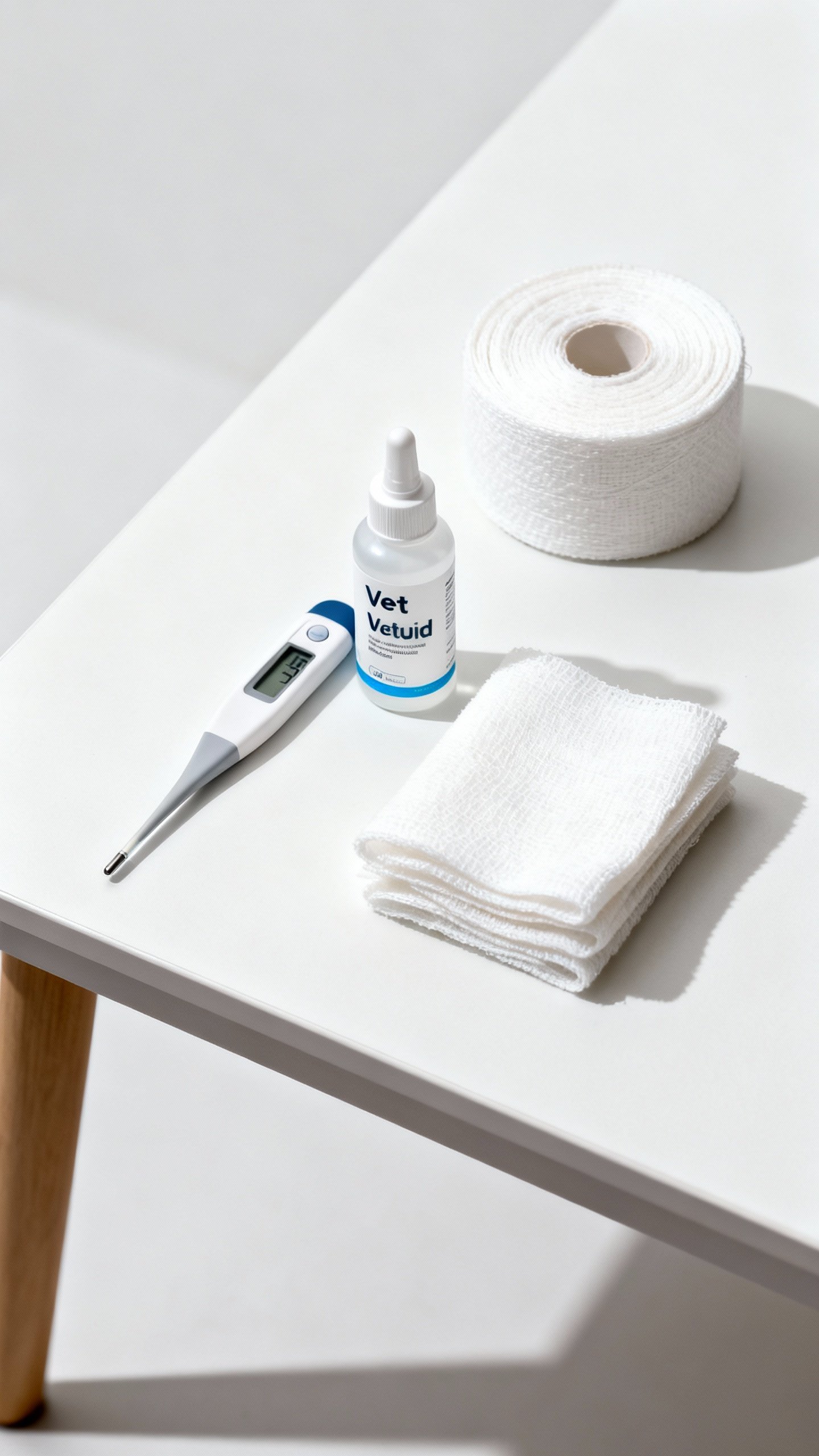
- First-aid basics: Antiseptic wipes, styptic powder, pet-safe bandage wrap, digital thermometer, saline, and a soft cone.
- Dental care: Enzymatic toothpaste, dental chews, water additives.
Dental disease hits fast and hard.
- Ear cleaner: Especially for floppy-eared dogs or swimmers. Keeps yeast and bacteria from setting up shop.
Choosing the Right Flea/Tick Product
- Topicals: Great for pets who spit out pills. Don’t bathe 48 hours before or after application.
- Orals: Chewables that work systemically.
Easy dosing, but watch for tummy upset.
- Collars: Long-lasting protection, but fit matters. Snug, not tight.
Supplements That Actually Pull Their Weight
Supplements can help—if you pick the right ones. IMO, skip the glitter and go for science-backed formulas.
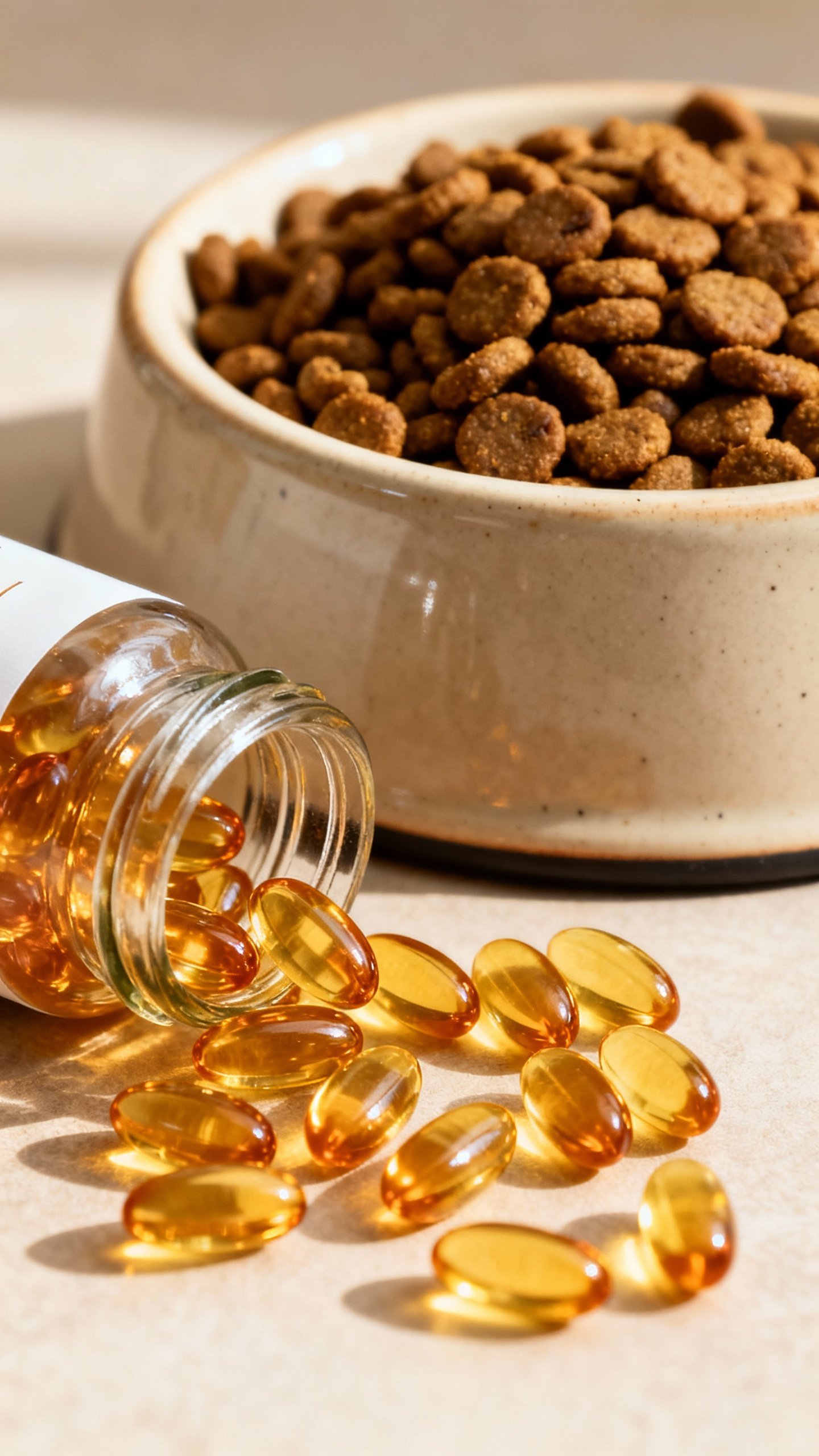
- Joint support: Glucosamine, chondroitin, MSM, and omega-3s (EPA/DHA) help with mobility and stiffness.
Look for NASC seal.
- Probiotics: Good for sensitive stomachs, antibiotic aftercare, and stress-related diarrhea. Choose species-appropriate strains.
- Omega-3 fatty acids: Support skin, coat, joints, and heart health. Fish oil beats flax for pets.
- Calming aids: L-theanine, tryptophan, melatonin, and pheromone diffusers.
Helpful for fireworks or vet days.
- Skin & coat: Biotin, zinc, and fish oil. Always rule out allergies first.
How to Vet a Supplement
- Third-party quality checks: NASC Quality Seal is a green flag.
- Clear dosing by weight: If it says “one size fits all,” nope.
- Transparent labeling: Active ingredient amounts should be specific, not “proprietary blend.”
Common Medications You’ll Hear About
You don’t need a pharmacology degree, but a little familiarity helps you ask smarter questions.
- Antibiotics: Amoxicillin-clavulanate, doxycycline, cephalexin. Finish the course or you’ll invite resistance.
- Pain relief: Carprofen, meloxicam, gabapentin, trazodone (for anxiety related to procedures).
Never give human NSAIDs.
- Allergy meds: Apoquel, Cytopoint, antihistamines (some OTC), and medicated shampoos. Manage environment plus meds for best results.
- GI support: Metronidazole or tylosin for certain diarrhea cases; anti-nausea meds like maropitant. Probiotics as backup singers.
- Endocrine meds: Insulin for diabetes, levothyroxine for hypothyroid, trilostane for Cushing’s.
These require monitoring.
Compounded vs. Standard Meds
- Compounded: Custom flavors or forms for picky pets or special doses.
- Use cases: Tiny-breed dosing, transdermal gels for cats, chicken-flavored everything.
- FYI: Quality varies—stick to reputable compounding pharmacies your vet trusts.
Smart Dosing and Storage (So You Don’t Accidentally Sabotage It)
Meds work only if you give them right and store them right. Seems obvious, but life happens.
- Read the label every time: Some meds need food; some don’t.
Some need the fridge; others hate moisture.
- Use the right tool: Oral syringes for liquids, pill pockets for tablets, and butter for cats (kidding… kind of).
- Set reminders: Phone alarms save lives—and carpets.
- Track reactions: Vomiting, lethargy, hives, or restlessness? Call your vet before the next dose.
- Store safely: Away from heat, light, tiny thieves, and that one Labrador who eats anything.
When Your Pet Refuses Pills
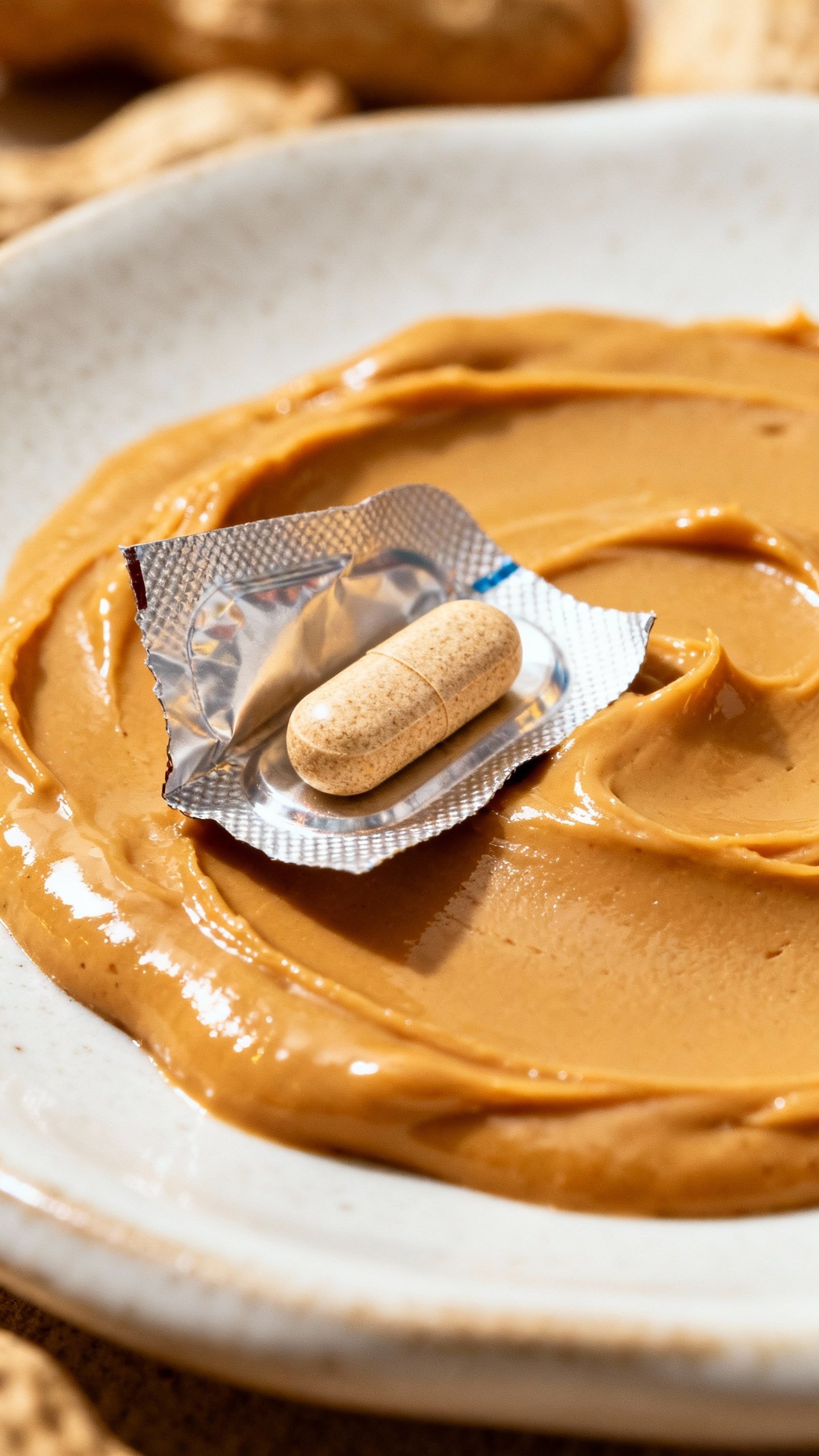
- Pill pockets or soft treats: Warm slightly to seal the smell.
- Hide in food: Cheese, peanut butter (xylitol-free), or deli meat. Test with a decoy treat first.
- Ask for alternatives: Chewables, liquids, or topical options may exist.
Everyday Health Items That Punch Above Their Weight
Some simple items can save you vet visits or at least buy you calm until you get there.
- Antimicrobial wipes/sprays: For minor cuts, hot spots, or paw gunk.
- Medicated shampoo: For allergies, yeast, or flaky skin.
Leave on as directed—contact time matters.
- Electrolyte solution: For mild GI episodes (vet first if severe or persistent).
- Behavioral aids: Pheromone collars/diffusers, anxiety wraps, and treat-dispensing toys.
- Dental wipes: For pets who treat toothbrushes like medieval torture devices.
Build a Simple Pet First-Aid Kit
- Gauze, vet wrap, non-stick pads
- Saline, antiseptic (chlorhexidine)
- Styptic powder, blunt-tip scissors, tweezers
- Digital thermometer (rectal), lubricant, gloves
- Muzzle or soft tie: Painful pets may bite, even sweet ones
Budget Tips Without Cutting Corners
Pet meds don’t need to drain your savings. You just need strategy.
- Generics: Ask your vet for generic equivalents when available.
- Price match: Many vets match reputable online pharmacy prices. Just ask nicely.
- Manufacturer rebates: Especially for preventatives and chronic meds.
- Auto-ship discounts: Great for monthly preventatives—just set and forget.
- Split packs (when appropriate): Some preventatives come in multi-pet packs by weight range—buy smart, dose correctly.
FAQ
Can I give my pet human medications?
Please don’t.
Many human drugs are toxic to pets or require completely different dosing. Even “safe” meds can cause serious issues without vet guidance. Call your vet before giving anything from your own cabinet.
Do I need year-round flea, tick, and heartworm prevention?
Usually yes.
Parasites don’t fully take winters off, and heartworm comes from mosquitoes that can appear during warmer snaps. Your local vet knows your region best, but continuous prevention keeps things simple and safe.
What if my pet throws up after a dose?
Note the timing. If it happens within an hour, call your vet—they may advise redosing or trying with food.
Frequent vomiting or diarrhea needs a checkup to rule out reactions or underlying issues.
Are natural remedies safer than conventional meds?
“Natural” isn’t a magic shield. Some natural products help, some don’t, and some harm. Look for evidence, dosing guidance, and reputable brands.
FYI, many conventional meds come from natural compounds—science just refined them.
How fast do supplements work?
Most need time. Joint supplements and omega-3s can take 4–8 weeks to show full effects. Probiotics may help faster, especially for mild GI issues.
If nothing changes after a fair trial, adjust with your vet’s help.
Can I mix multiple supplements?
Sometimes, but don’t stack blindly. Overlapping ingredients can lead to overdosing (looking at you, fish oil megadoses). Keep a list, check for interactions, and ask your vet for a streamlined plan, IMO.
Conclusion
You don’t need a med school degree to manage pet health—just good tools, smart habits, and a little skepticism.
Build a simple kit, use proven preventatives, and keep your vet in the loop. Your pet gets a longer, happier life, and you get fewer 2 a.m. panic Googles. Win-win, IMO.
Related Posts