You never expect your dog to swallow a bee or your cat to launch off the couch like a tiny parkour pro and miss. But accidents happen, and they happen fast. That’s why a dedicated pet first aid kit matters.
It buys you time, keeps small problems small, and lets you help your furball until you can reach the vet. Let’s build one that actually works, not just looks good on a shelf.
Start With the Basics: Your Kit Container
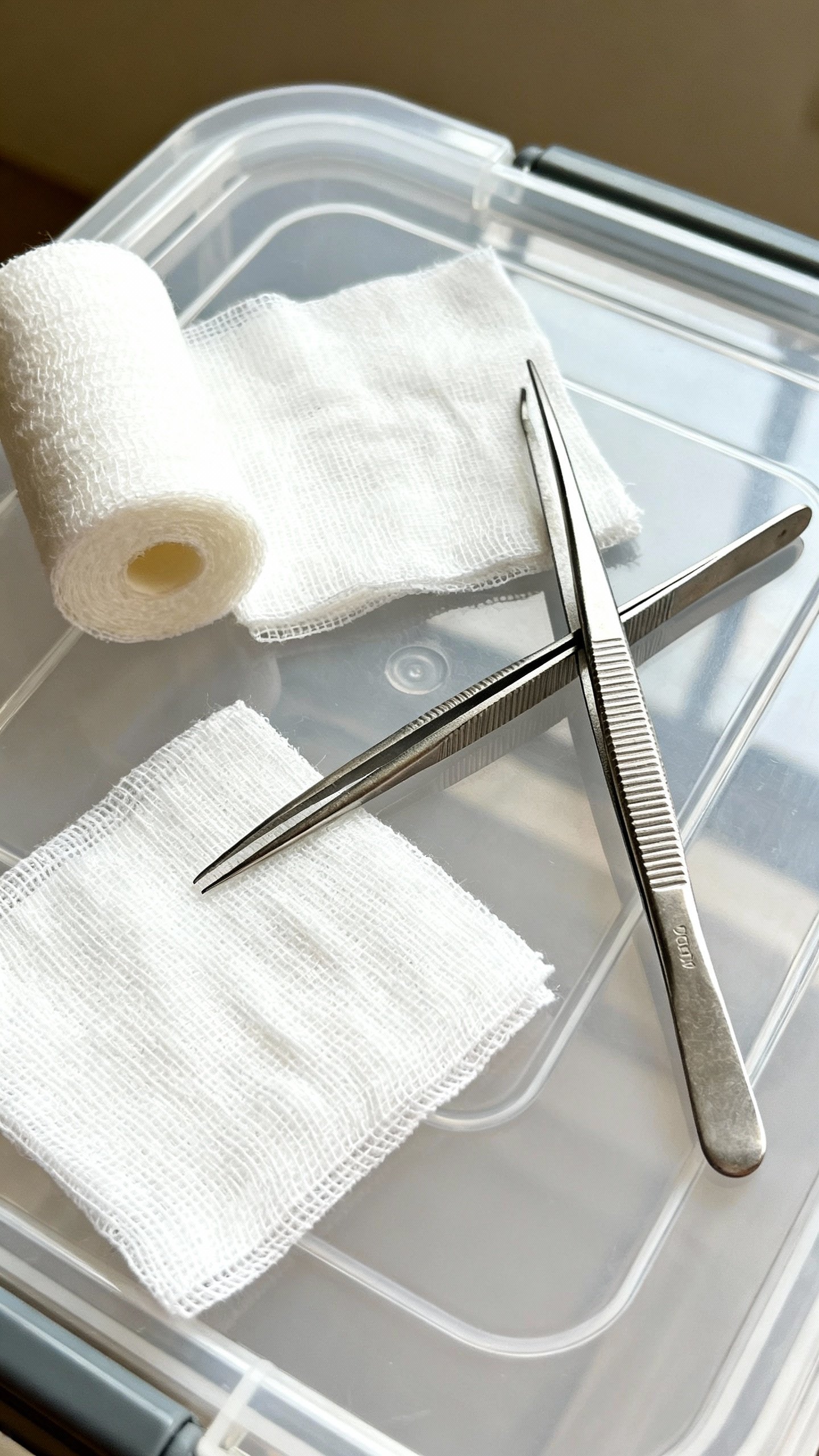
Pick a sturdy, waterproof container with a secure latch. Clear bins make life easier because you can see everything at a glance.
Add a simple label on the outside: “Pet First Aid – Name, Vet, Emergency Contact.” When chaos hits, that label saves seconds. Pro tip: Keep a mini kit in the car and a full kit at home. Pets love springing emergencies in the least convenient places.
Medical Must-Haves You’ll Actually Use
Think function over fluff. Your kit should handle cuts, scrapes, minor burns, sprains, and tummy trouble until you reach a vet.
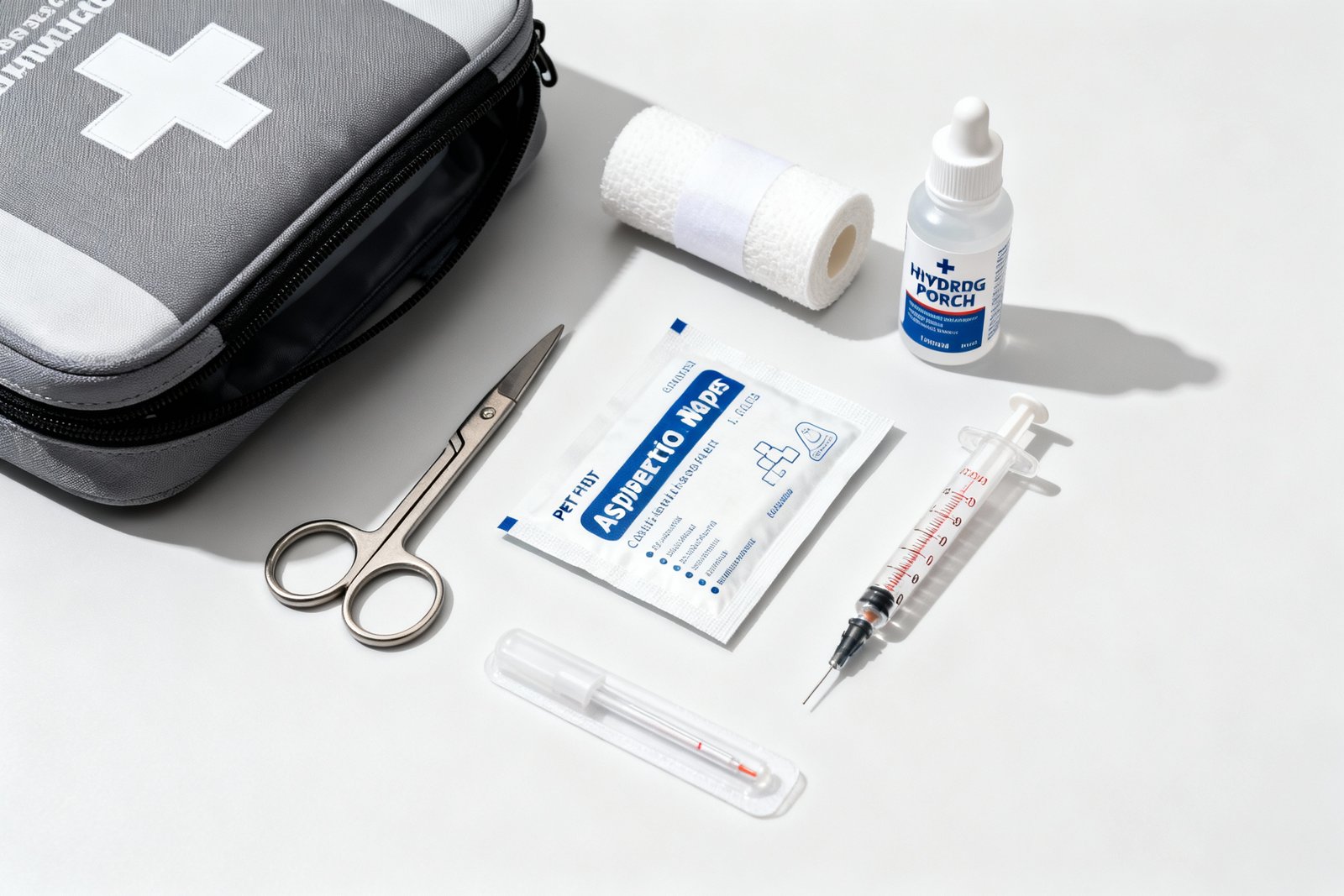
- Gauze pads and rolls: For wrapping wounds or padding a splint.
Get multiple sizes.
- Non-stick sterile pads: These keep wounds covered without glueing themselves to fur. Your pet will thank you.
- Self-adhesive bandage (vet wrap): It sticks to itself, not fur. Magic.
- Adhesive tape: Choose hypoallergenic.
Use it to secure gauze over fur, not directly on hair.
- Antiseptic wipes or chlorhexidine solution (diluted): Clean wounds gently.
- Hydrogen peroxide 3%: For inducing vomiting when your vet tells you to. Not for cleaning wounds. Big difference.
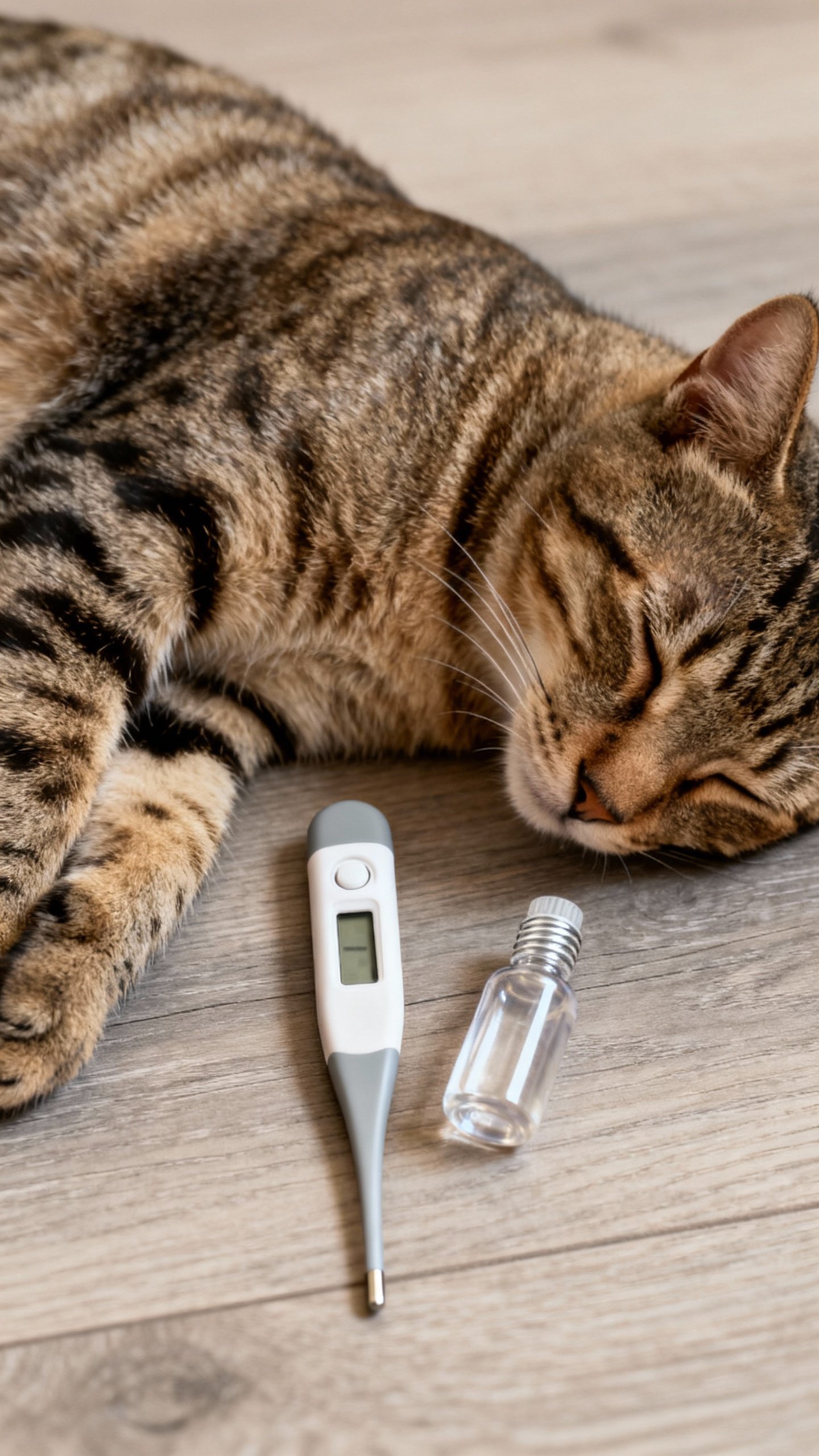
- Digital thermometer: Pets run hotter than humans.
Normal is about 100–102.5°F (37.8–39.2°C).
- Lubricant (pet-safe) or petroleum jelly: Makes thermometer time less dramatic.
- Styptic powder or pencil: Stops minor nail bleeds.
- Saline eye wash: Flushes dust, dirt, or pollen from eyes.
- Tweezers and blunt-tip scissors: Pull out splinters, cut bandage, avoid accidental fur-styling.
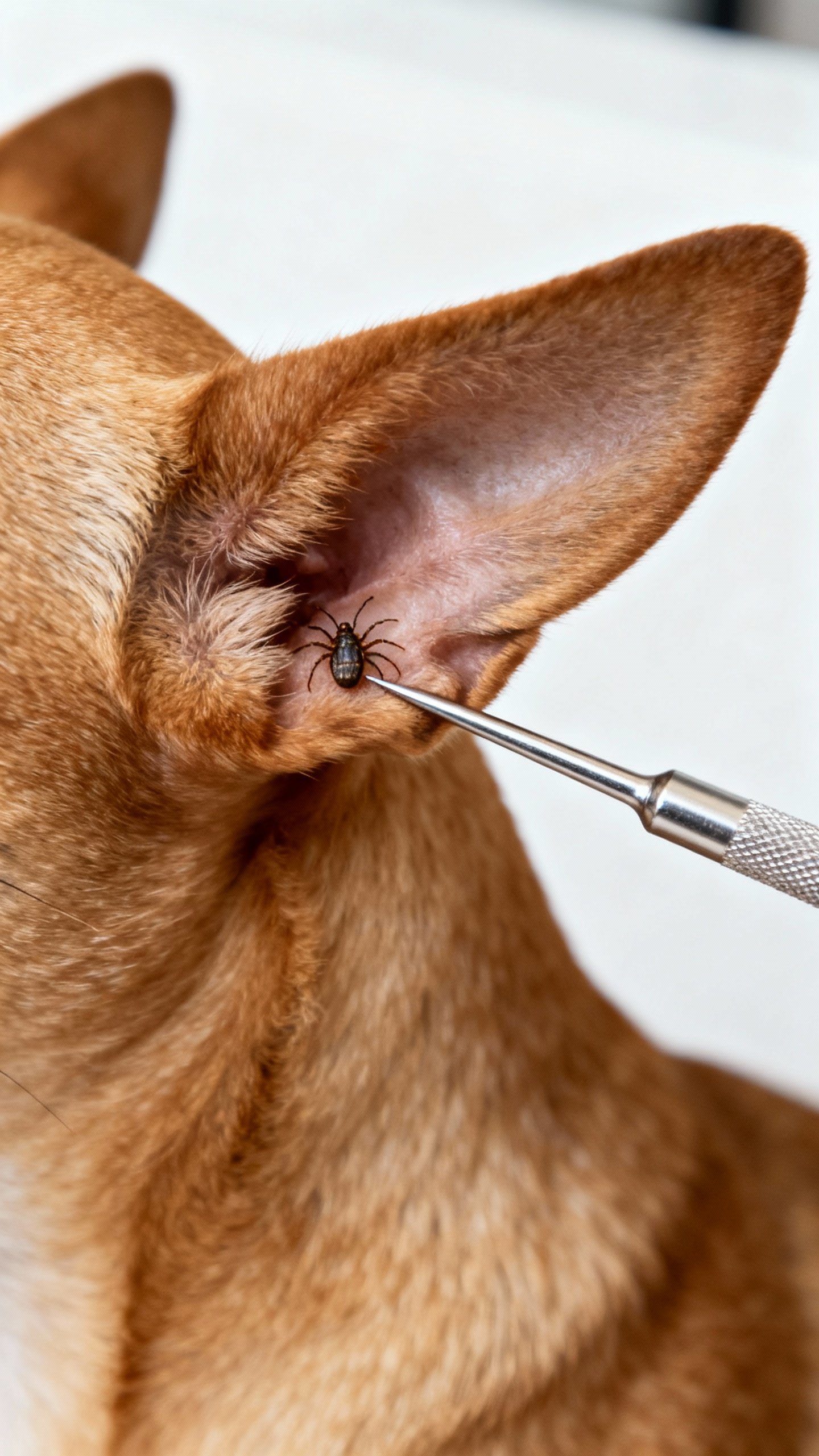
- Tick remover tool: Clean removal beats wrestling with tweezers.
- Cold pack and heat pack: Instant packs for sprains or stiffness. Wrap before applying.
- Muzzle or soft cloth: Even sweet pets may bite when scared or hurting.
- Disposable gloves: Keeps you and the wound clean. Also less ew.
- Syringes (no needle): For oral meds or irrigating wounds.
- Benadryl (diphenhydramine) tablets: Ask your vet for dosage.
Handy for mild allergic reactions.
What to Skip (Or Use With Caution)
- Alcohol and hydrogen peroxide on wounds: They delay healing. Use saline or chlorhexidine instead.
- Human pain meds: Many are toxic to pets. Call your vet first, always.
- Cotton balls: They shed fibers into wounds.
Use gauze.
Paperwork and Info You’ll Wish You Had
When stress spikes, your brain goes blank. Keep the essentials in the kit.
- Vet contact info: Regular vet and nearest 24/7 emergency clinic.
- Poison control numbers: ASPCA Animal Poison Control and Pet Poison Helpline (fees may apply).
- Pet info sheet: Medical conditions, medications, allergies, weight, microchip number, and vaccination dates.
- First aid quick guide: A laminated cheat sheet for choking, bloat signs, CPR basics, and common toxins.
Why Weight Matters
Dosages for meds like Benadryl depend on your pet’s weight. Write it down and update it every few months.
Yes, your dog is still “just big-boned,” but the scale says otherwise.
Special Add-Ons for Dogs vs. Cats
Different species, different chaos. Tailor your kit a bit.
For Dogs
- Booties or paw wax: Protects injured paws on walks back to the car.
- Large bandage materials: Bigger paws, bigger wraps.
- Extra leash and slip lead: For control if a collar breaks.
For Cats
- Pillowcase: Acts like a calm “cat burrito” for transport or exam.
- Smaller gauge syringes: Easier for tiny mouths and cautious dosing.
- Feliway wipe or spray (optional): Helps settle nerves.
You’ll both appreciate it.
How to Use It: Common Scenarios
Let’s keep this practical. Here’s how your kit earns its spot.
Cut Paw or Minor Laceration
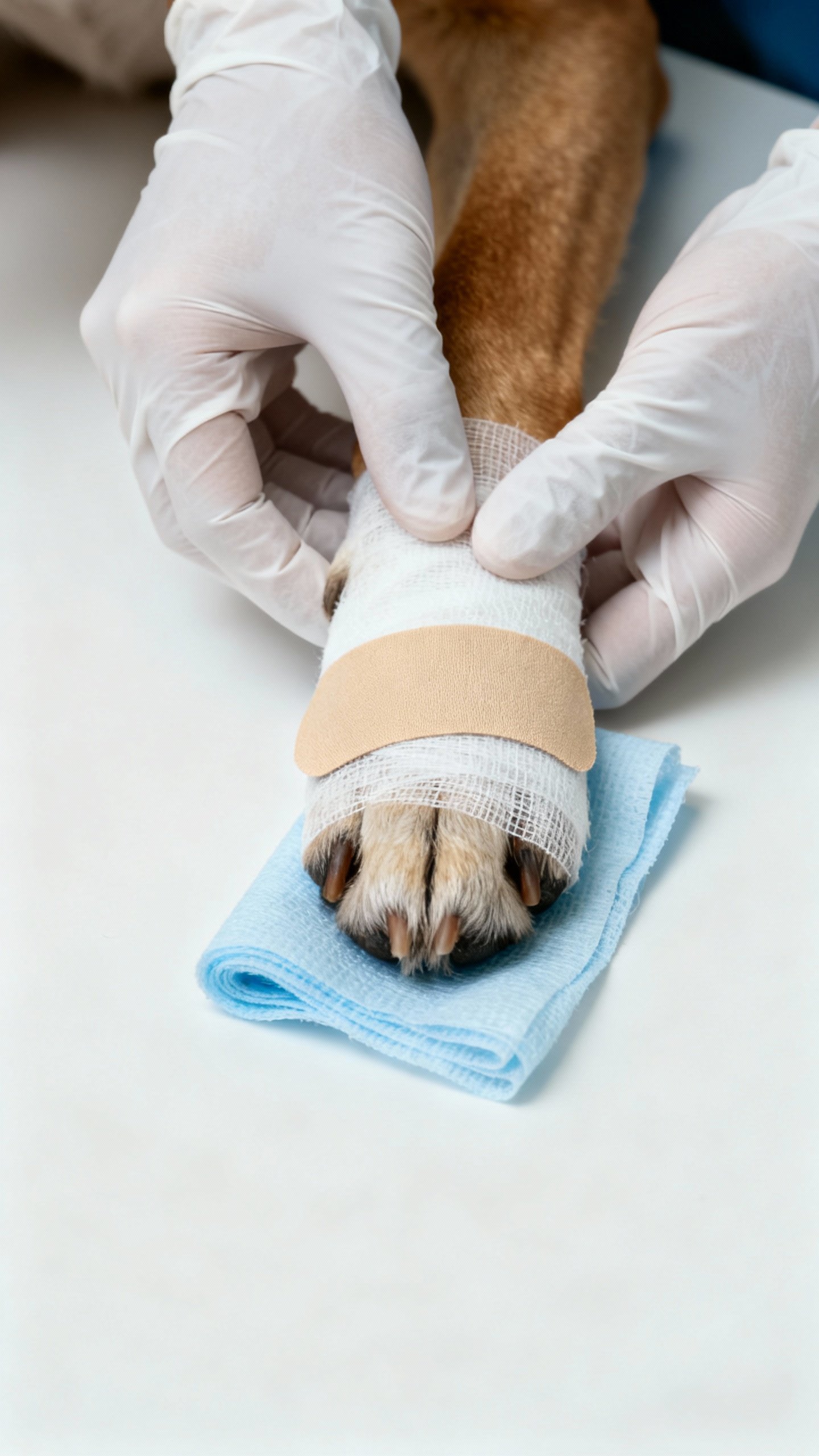
- Control bleeding with direct pressure using gauze.
- Flush with saline. Pat dry.
- Cover with a non-stick pad, then wrap with gauze, finish with vet wrap.
- Leave two toes visible to check circulation.
If they get cold or blue, loosen the wrap.
Allergic Reaction (Hives, Swelling, Itching)
- Call your vet for dosing and approval. Give diphenhydramine if advised.
- If face or throat swells, head to emergency care. Don’t wait.
Eye Irritation
- Rinse with saline from the inner corner out.
- Do not use human eye drops unless your vet says so.
Some cause harm.
Heat Stress
- Move to shade, offer cool (not ice-cold) water.
- Apply cool, wet towels to groin, armpits, and paws. Use a cool pack wrapped in cloth.
- Check temperature. If above 104°F (40°C), go to the vet immediately.
Choking
- Use a muzzle only if the pet can still breathe.
If not, skip it.
- Open the mouth carefully. Use a light and tweezers for visible objects. Don’t push it deeper.
- If not breathing, start rescue breathing and head to the vet.
Learn pet CPR ahead of time, FYI.
Smart Storage, Rotation, and Training
You built the kit. Now keep it ready and yourself confident.
- Check expirations every 6 months. Replace anything opened or outdated.
- Restock after use.
Future you will forget—ask me how I know.
- Store in a cool, dry spot and keep it reachable, not buried behind holiday decor.
- Practice wrapping a bandage, using the thermometer, and muzzling safely. Muscle memory beats panic.
Quick DIY Labels
Color-code sections: red for bleeding control, blue for medications, green for tools. You’ll find things faster when your hands shake.
Medications and When to Call the Vet
Your kit supports care; it doesn’t replace professional help.
Call your vet for any serious injury, heavy bleeding, broken bones, eye injuries, seizures, suspected toxin ingestion, or if your gut says “uh-oh.”
- Diphenhydramine: Great for mild allergic reactions—ask your vet for the exact dose for your pet’s weight.
- Activated charcoal: Only if your vet instructs it. Not all toxins bind to it.
- Electrolyte solution: Helpful for mild dehydration on hot days or after exercise. Offer small amounts often.
IMO: The best first aid kit includes your phone.
Call the vet early. They’ll walk you through next steps, and you’ll look like a hero.
FAQ
What’s the most important item to include?
Gauze and self-adhesive wrap. You can control bleeding, pad wounds, and secure dressings with just these two.
They handle 80% of basic emergencies while you head to the vet.
Can I use my human first aid kit for my pet?
Some items overlap, but pets need species-safe supplies. Human pain relievers can be dangerous, and you’ll want pet-specific tools like a tick remover, styptic powder, and a muzzle. Build a separate kit so you don’t scramble.
How often should I replace items?
Check every six months.
Swap out anything expired, wet, or dirty. Refill after each use. Meds and solutions have sneaky expiration dates that always pick the worst time to matter.
Should I induce vomiting if my pet eats something bad?
Only if a vet or poison control tells you to.
Some substances cause more damage coming back up. Keep hydrogen peroxide 3% in your kit for when the vet says go, and write down the correct dose by weight.
What temperature counts as a fever for pets?
Anything above 102.5°F (39.2°C) raises eyebrows. At 104°F (40°C) or higher, that’s an emergency.
Take the temperature rectally with a digital thermometer and lubricant for accuracy.
Is a muzzle really necessary?
Yes. Pain makes even gentle pets reactive. A soft muzzle protects everyone for quick exams and bandaging.
Never muzzle a vomiting or respiratory-distressed pet, though.
Conclusion
A solid pet first aid kit doesn’t require a med degree, just some smart planning. Stock the essentials, add your pet’s info, and practice a few basics. When life throws you a chewed bee, a scraped paw, or a mystery rash, you’ll handle it like a pro—calm, quick, and prepared.
FYI, your future self (and your pet) will absolutely high-five you for it.
Related Posts