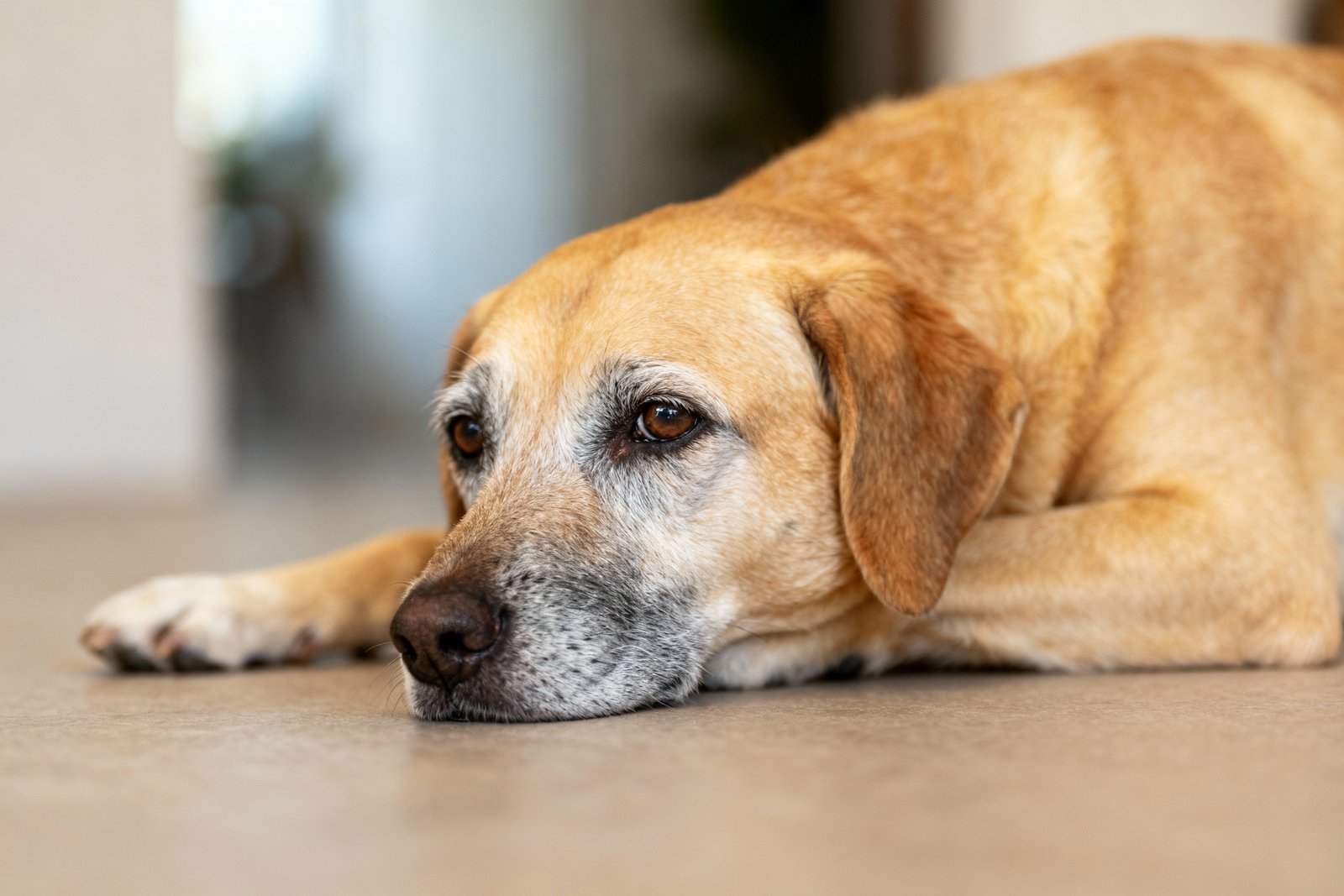
Your dog doesn’t get a retirement party, a gold watch, or a cake shaped like a fire hydrant. One day you just notice more naps, slower walks, and a little extra gray frosting the muzzle. Is your pup “old,” though?
Or just mastering the art of chill? Let’s decode the signs so you can support your best friend through their golden years without guessing.
So… When Does a Dog Become a Senior?
Dogs don’t all hit senior status at the same age. Size and breed speed up or slow down the clock.
A Chihuahua might still be spry at 10, while a Great Dane may qualify for early-bird specials by 6 or 7. General guidelines:
- Small breeds (under 20 lbs): Senior around 9–11 years
- Medium breeds (20–50 lbs): Senior around 8–10 years
- Large breeds (50–90 lbs): Senior around 7–9 years
- Giant breeds (90+ lbs): Senior around 6–7 years
Genetics, health history, and lifestyle matter too. A fit, well-fed mutt might outpace a purebred couch potato. FYI: senior doesn’t mean frail—it just means you should watch for subtle changes.
Visible Signs Your Dog Is Shifting Gears
You’ll often notice a mix of physical and behavioral changes.
A few are obvious. Others sneak up on you between grooming sessions.
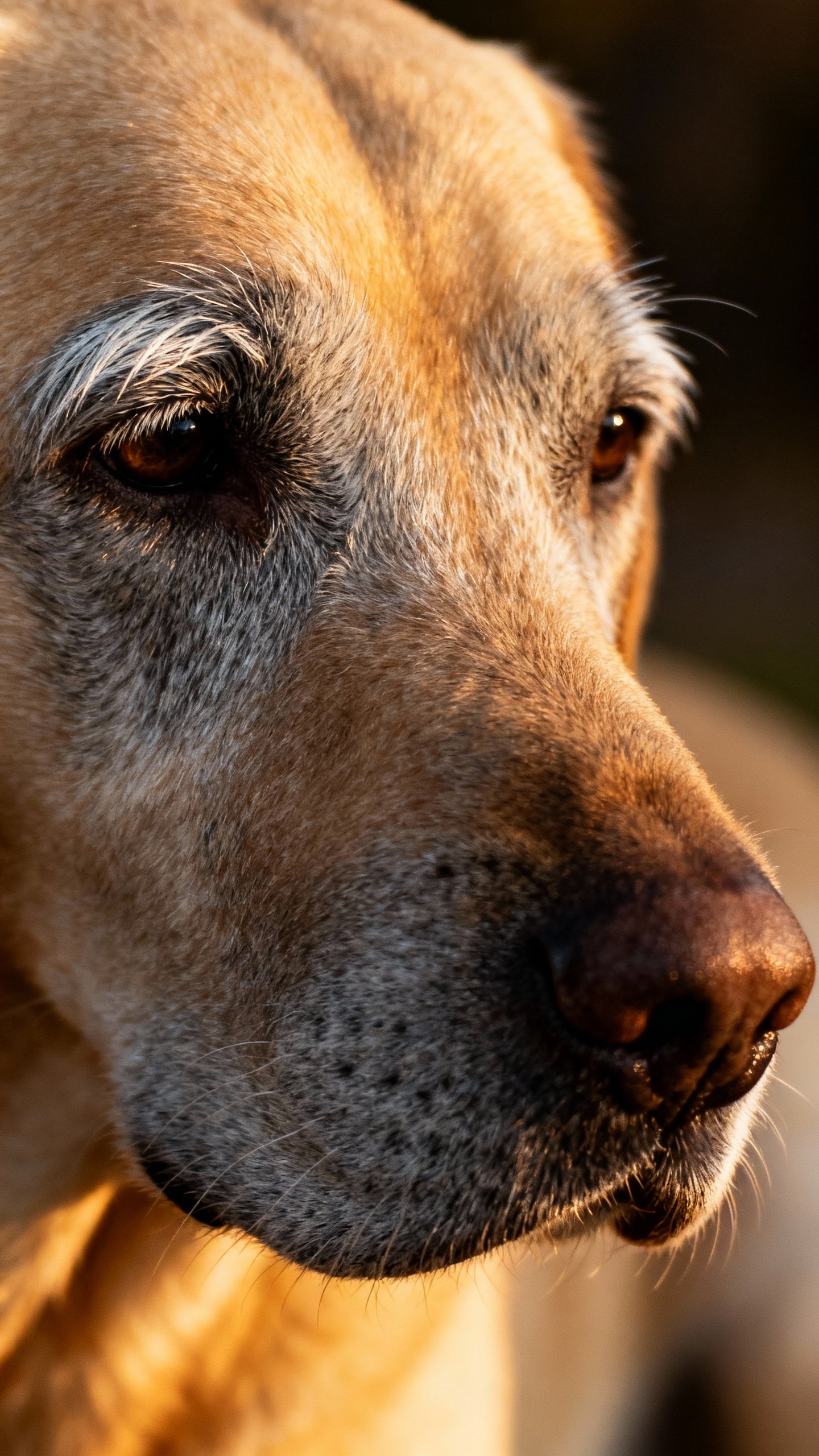
- Graying muzzle and eyebrows: That distinguished salt-and-pepper look usually starts around the face.
- Slower recovery: After play, your dog naps longer and stiffens up.
- Stiffness or limping: Arthritis loves elbows, hips, and knees.
- Less stamina: Walks get shorter, zoomies get rare.
- Weight changes: Muscle loss along the spine or sudden pudginess from fewer calories burned.
- Sensory changes: Not hearing “cookie” from two rooms away? Vision or hearing may fade.
- Behavior shifts: More clingy, more anxious, or just more “meh” about activities.
Normal Aging vs. “We Should Call the Vet”
Likely normal: Mild stiffness after rest, gradual gray fur, slightly clouded eyes without pain, small energy dips. Vet ASAP: Rapid weight loss, new lumps, coughing, collapsing, disorientation, extreme thirst/urination, sudden behavior changes, pain yelps.
Energy, Sleep, and Mood: The Day-to-Day Giveaways
Senior dogs often reorganize their schedules.
They sleep more during the day, wake at night, and prefer predictable routines. What you might see:
- More naps: Snoozing > zooming.
- Shorter play sessions: But they still enjoy them—keep it fun and low-impact.
- Night restlessness: Confusion at night can point to cognitive changes.
- Velcro behavior: Extra clingy or anxious in new situations.
Keep Spirits Up Without Overdoing It
Try:
- Gentle fetch on grass, sniff walks, puzzle toys, and short training refreshers.
- More, shorter outings instead of one epic hike.
- Ramps or stairs to protect joints while keeping independence.
The Health Stuff You Can’t See (But Should Track)
Aging can bring silent changes. You’ll help your dog most if you catch them early. Baseline checks with your vet:
- Bloodwork: Kidneys, liver, thyroid, blood sugar.
- Urinalysis: Infections, kidney issues, diabetes clues.
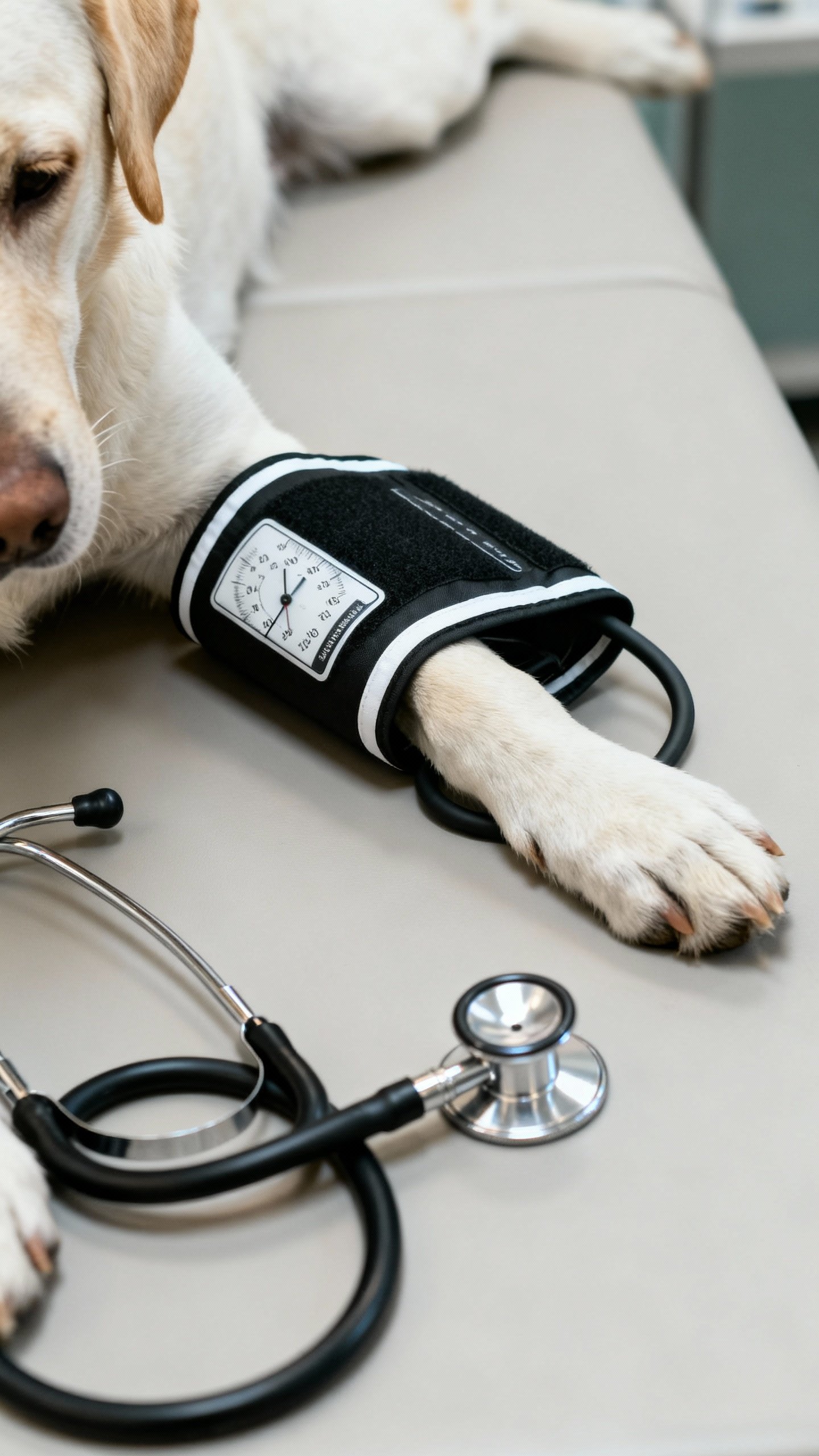
- Blood pressure: Hypertension sneaks up and affects eyes and kidneys.
- Dental exam: Gum disease hurts and inflames the whole body.
- Weight and body condition: Track muscle vs. fat; adjust diet accordingly.
Common Senior Conditions (in plain English)
- Arthritis: Achy joints. Manage with weight control, joint supplements, pain meds, and low-impact exercise.
- Cognitive dysfunction (doggy dementia): Disorientation, sleep flip-flop, staring.
Supplements and routines help.
- Endocrine issues: Hypothyroid (slow, weight gain), Cushing’s (thirst, panting, potbelly), diabetes (thirst, weight loss).
- Dental disease: Bad breath, difficulty chewing, drooling, pawing at mouth.
- Cancer: New lumps, lethargy, weight loss. Get any mass checked—don’t guess.
Food, Supplements, and the “Do They Really Need This?” Question
Nutrition shifts as dogs age. Metabolism slows.
Muscle needs protein. Joints need support. The bulk-bag puppy kibble from 2016 probably isn’t cutting it now. Food tweaks that help:
- High-quality protein: Maintain muscle; don’t default to low-protein unless your vet says so.
- Calories: Adjust to prevent weight gain but avoid underfeeding seniors who lose muscle.
- Fiber: Helps digestion, especially if constipation appears.
- Omega-3s (EPA/DHA): Support joints, brain, and skin.
Fish oil = MVP.
Useful supplements (ask your vet first, IMO):
- Joint support: Glucosamine, chondroitin, green-lipped mussel, UC-II, or hyaluronic acid.
- Brain support: SAMe, MCT oil, antioxidants, B vitamins.
- Dental support: VOHC-approved chews, water additives, dental diets—plus real brushing.
Hydration and Gut Health
Add moisture with wet food or water toppers. Consider probiotics for sensitive tummies. And yes, more water bowls around the house is a pro move.
Make Home More Senior-Friendly
Small changes make aging bodies happier.
You don’t need a full remodel—just some thoughtful upgrades.
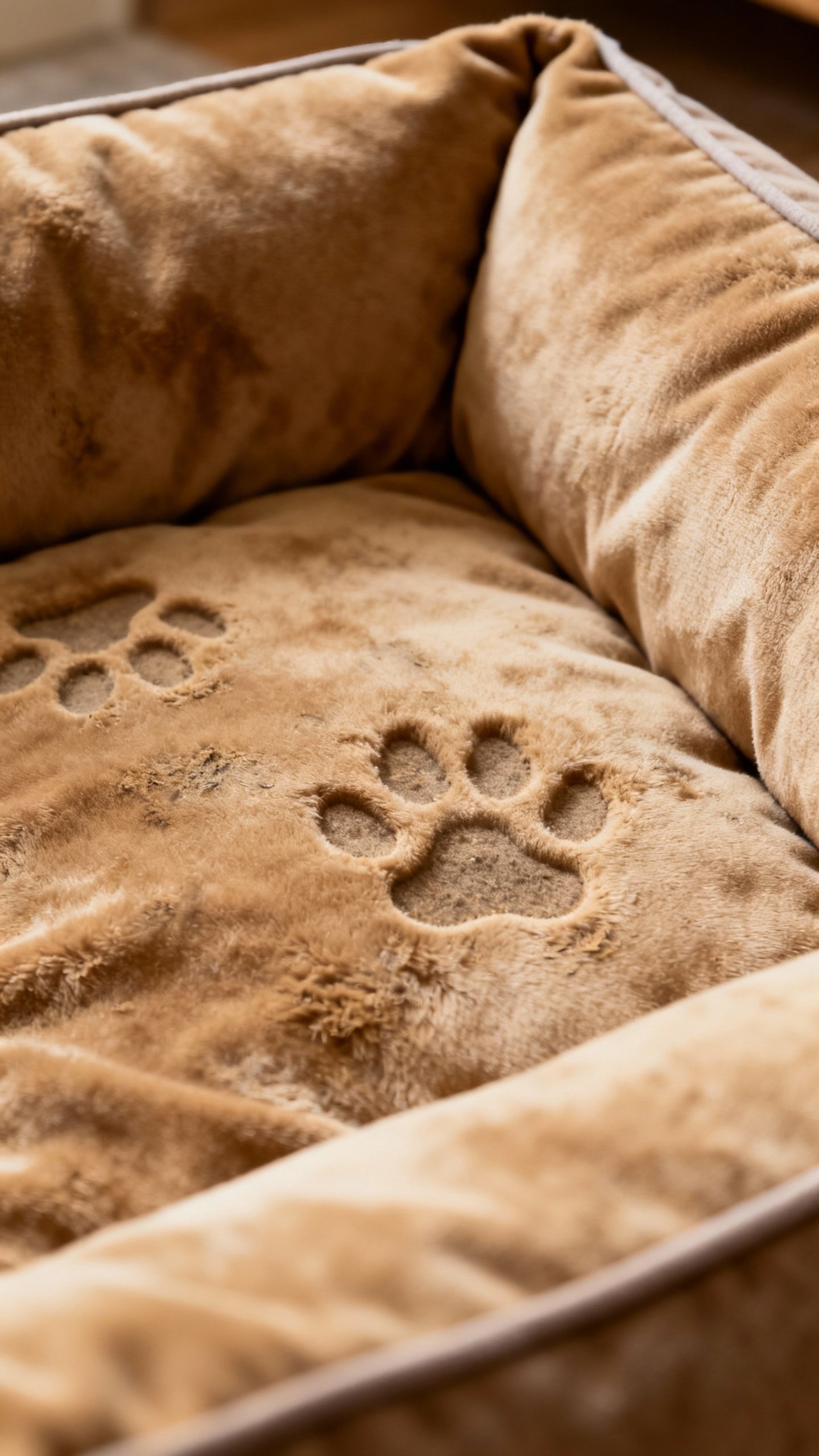
- Soft, supportive bed: Orthopedic foam helps joints and pressure points.
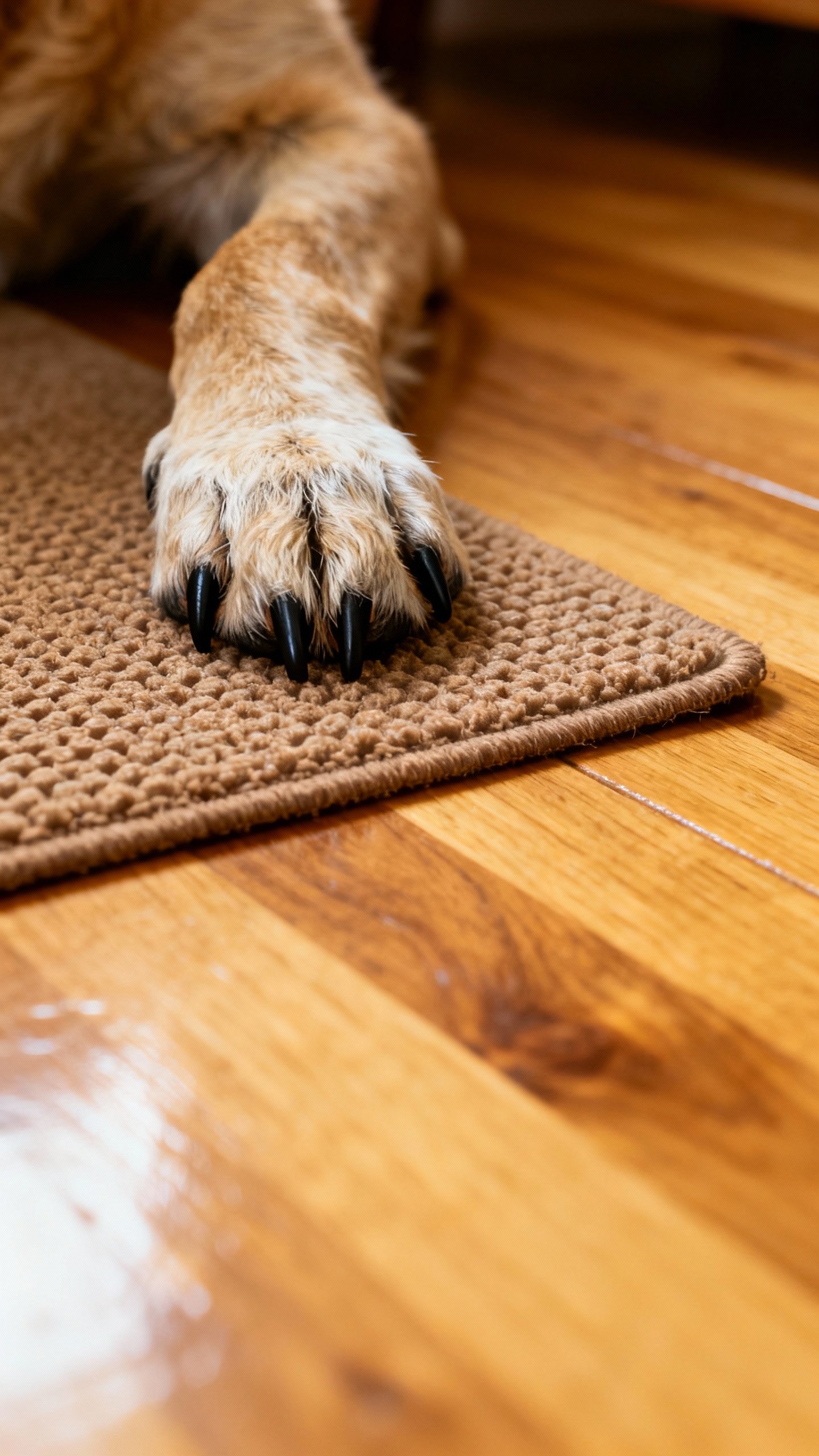
- Non-slip rugs/yoga mats: Slippery floors + stiff legs = wipeouts.
- Ramps/steps: For cars, couches, and beds. Save those hips.
- Night lights: Help with vision and midnight wanderings.
- Warmer layers: Thin seniors get chilly—short walks may need a coat.
Exercise That Respects the Mileage
Aim for consistency over intensity. Try:
- Two to four short walks daily
- Swimming or underwater treadmill if available
- Simple mobility drills: sit-to-stand reps, cookie stretches, slow leash walking
Vet Visits: From “As Needed” to “Let’s Check In”
When your dog enters seniorhood, you level up routine care.
That doesn’t mean weekly appointments and a second mortgage—just smarter scheduling. Good rhythm, IMO:
- Twice-yearly exams: Seniors change faster; catch issues early.
- Annual bloodwork/urinalysis: Or more often if your vet finds something.
- Dental cleanings: Frequency depends on tartar and gum health.
- Pain check-ins: Adjust meds and activities as needed.
Bring a list of questions and any changes you noticed. Videos help—record the limping, the weird panting, or the nighttime pacing.
FAQs
What age is “too old” to start new training?
Never. Seniors can learn new cues, games, and routines.
Keep sessions short and reward-heavy. Brain work tires them out in the best way without stressing joints.
How do I know if my senior dog is in pain?
Look for subtle signs: slower stairs, hesitation to jump, licking joints, grumpiness when touched, pacing at night, or even just “not themselves.” If you suspect pain, your vet can try a pain trial—if your dog perks up on meds, you have your answer.
Do senior dogs need different vaccines?
Core vaccines stay important, but your vet might adjust schedules based on lifestyle and health. Some vaccines allow titer testing to check immunity.
Customize—don’t follow a generic chart blindly.
My dog drinks and pees more. Is that normal for seniors?
More drinking is common, but it’s not “just aging.” It can signal kidney disease, diabetes, Cushing’s, or infections. Track water intake and see your vet for tests.
Should I switch to a “senior” dog food?
Maybe. “Senior” isn’t a regulated formula—it’s marketing plus common tweaks.
Choose by your dog’s needs: weight, muscle, kidney function, joints. Read labels for protein quality and omega-3s, or ask your vet for a targeted diet.
Can I still take my senior dog hiking?
Often, yes—with adjustments. Pick softer trails, shorter distances, cooler times of day, and bring water.
Watch for heat sensitivity and fatigue. A supportive harness helps on uneven ground.
Wrapping It Up
Aging sneaks up on dogs, but it doesn’t steal their joy. When you spot the signs—more naps, slower steps, that noble gray muzzle—you can tweak food, exercise, home setup, and vet care to match.
Your dog just entered a new chapter where comfort and connection matter most. Keep them moving, keep them thinking, and keep the treats handy. Golden years?
With a little planning, they really can be.
Related Posts