Losing a pet hits like a freight train you didn’t see coming. One day you’re stepping over squeaky toys and arguing about who gets the good spot on the couch, and the next, the house feels too quiet. You loved them, and yeah, they were family.
If you’re here because your heart feels like it’s been drop-kicked—stick around. Let’s talk about how to carry that love forward and function like a semi-normal human again.
First, let yourself feel it

You don’t need to be “strong” right now. You need to be honest.
Grief for a pet can feel exactly like grief for a person—because pets are people, fight me. Cry, vent, journal ugly thoughts, stare at the wall—whatever helps. Big reminder: grief doesn’t follow rules. You might be fine at lunch and sobbing at 3 p.m. because you saw a tennis ball.
That’s normal. You’re not dramatic; you’re grieving.
Why it feels so intense
Your pet sat with you during bad days and celebrated good ones with a tail or a purr. That steady companionship wires into your daily rhythms.
When it’s gone, your brain and body freak out a bit. FYI, that ache is love with nowhere to go yet.
Honor their life in simple, personal ways
You don’t need a marble statue (unless you want one—do you). Try small rituals that highlight who they were and your bond.
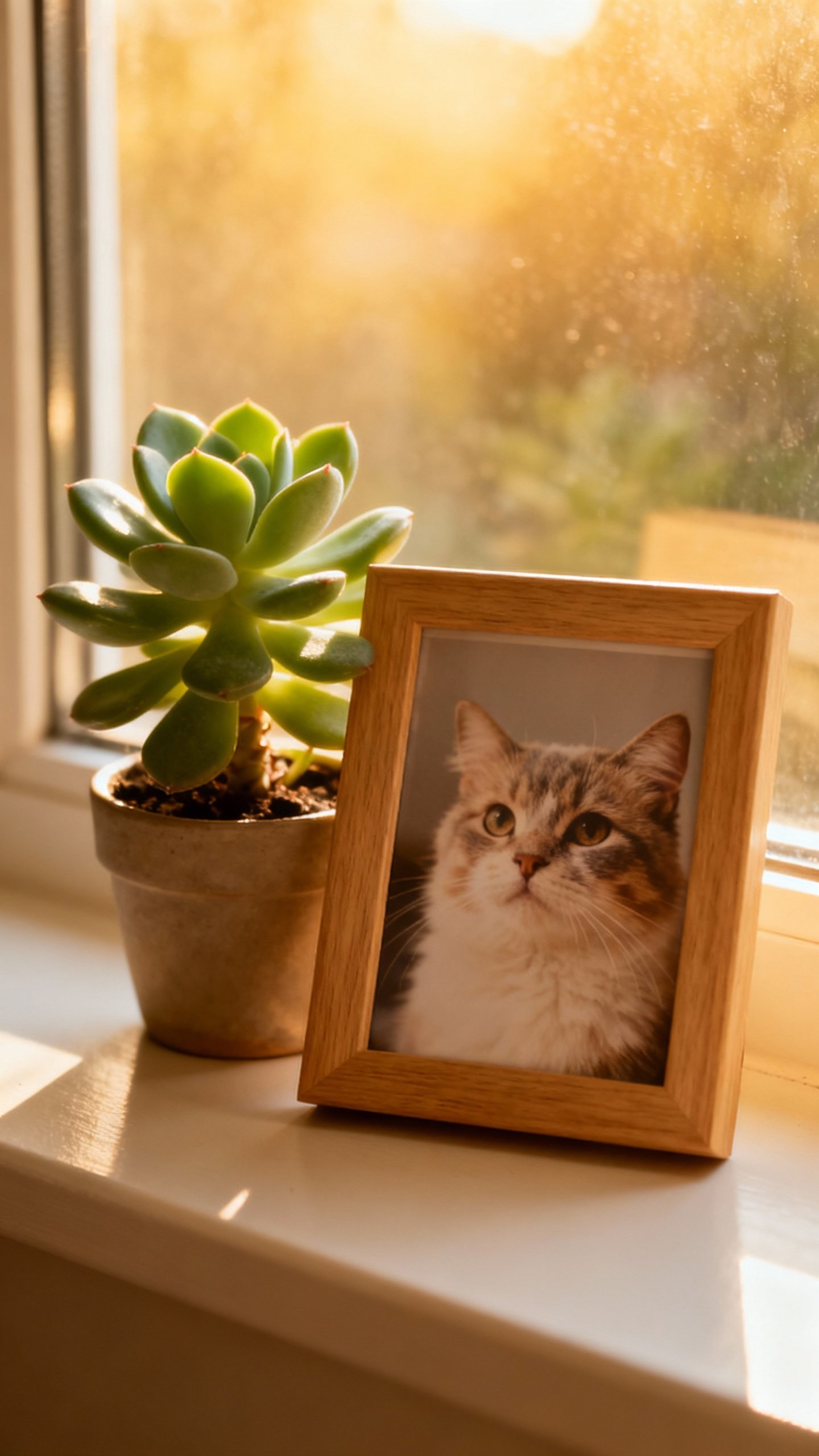
- Create a memory spot: a shelf with their photo, collar, a favorite toy, and a candle.
- Write them a letter: say everything you loved, everything they changed, everything you’ll miss.
- Plant something: a tree, a succulent, a windowsill herb.
Watching life grow helps.
- Make a photo book: toss in the goofy shots, not just the pretty ones.
- Donate in their name: to a shelter or rescue that matches their vibe.
DIY keepsakes that don’t require an arts degree
- Turn a favorite shirt or blanket into a pillow cover.
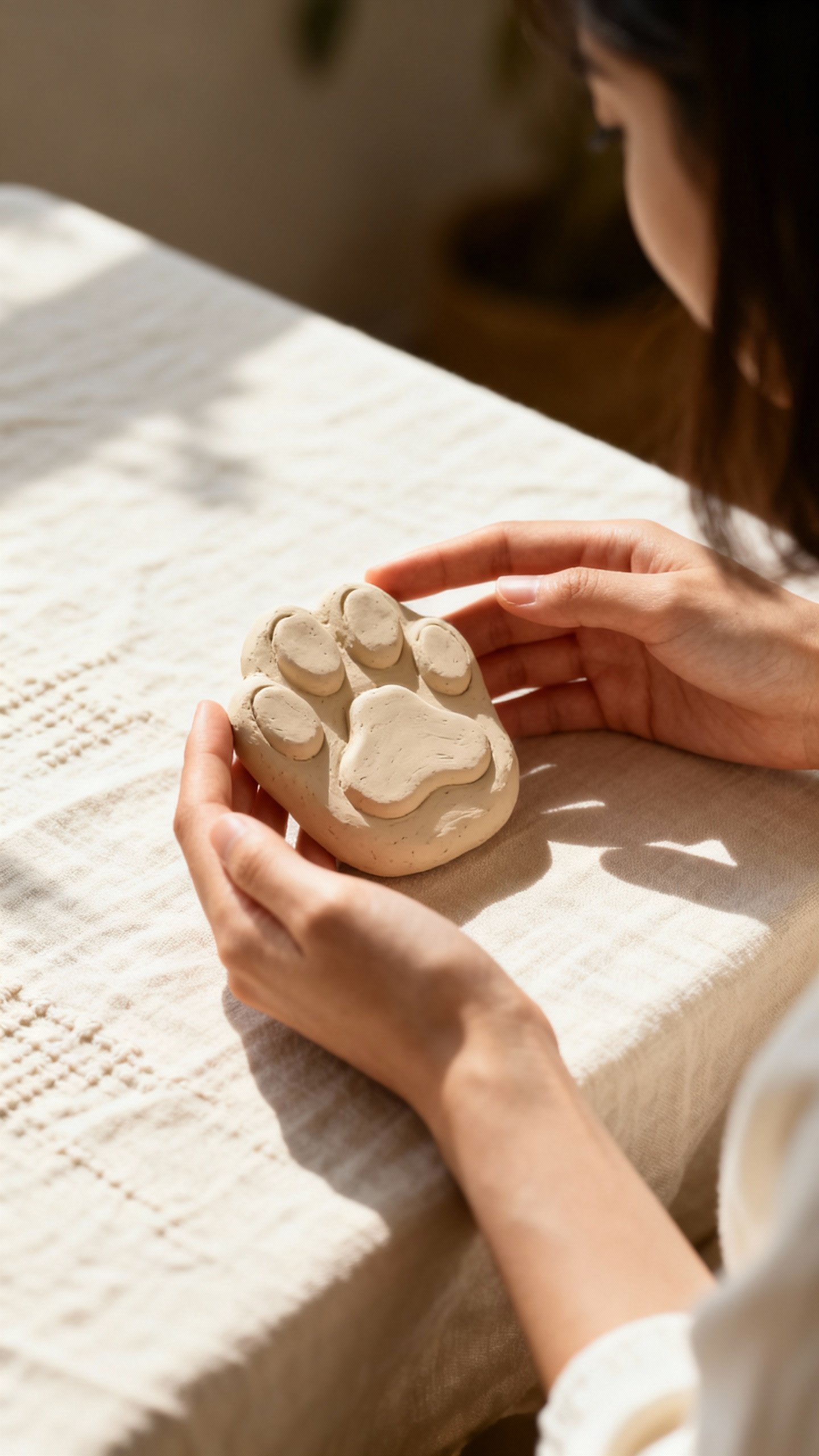
- Frame a paw print or name tag.
- Order a simple engraved pendant and wear it when you want to feel close.
Handle the practical stuff with care (and grace)
You still have tasks, and they can feel brutal. You can do this in steps. IMO, you control the pace.
- Talk with the vet: ask about ashes, paw prints, or fur clippings if you want them.
- Sort their things in waves: keep a small box of favorites now; donate or store the rest later.
- Change routines gently: if you always walked at 7 a.m., still walk—bring coffee, call a friend, change the route.
What to do with toys, beds, and bowls
You don’t need to erase them immediately.
Some people pack items up today; others keep things where they are for a while. There’s no right answer. Choose what feels least painful.
Talk to people who actually get it
Not everyone understands pet loss.
That’s fine—we’re not all built the same. Find your people.
- Call the pet-friends: the ones who ask for dog pics unprompted and know your cat’s middle name.
- Try a support group: many shelters and vet clinics run free pet loss groups (online too).
- Consider a therapist: especially if grief interrupts sleep, work, or eating for more than a couple weeks.
Red flags to watch: persistent numbness, hopeless thoughts, or using alcohol/drugs to cope. Reach out if any of that sticks around.
You deserve support.

Keep the love, rewrite the routine
The hardest part isn’t the big moments—it’s the little ones. Breakfast without a nose boop. The quiet evening.
So, rebuild your day in small, kind ways.
- Swap habits: morning walk becomes a podcast stroll; evening playtime becomes a gratitude journal or a call to a friend.
- Move your body: grief sits heavy. A short run, yoga, or even cleaning helps.
- Eat real food: not just cereal and tears. Your brain needs nutrients to process emotion.
- Sleep rituals: warm shower, soft playlist, phone on do-not-disturb.
Give your nervous system a break.
Channel the “care” drive somewhere new
That instinct to nurture doesn’t evaporate. Redirect it:
- Foster animals when you feel ready.
- Volunteer for adoption events or transport.
- Make blankets or toys for shelters.
When (and whether) to adopt again
Hot take: there’s no universal timeline. Some people adopt in weeks; others take years.
Both choices honor love, just differently. Questions to ask yourself:
- Do I want to care for a new animal, or do I want my old friend back? (If it’s the latter, give it time.)
- Can I meet the daily needs right now—emotionally and financially?
- Does the idea of a new pet make me smile a little, even through tears?
FYI: adopting again doesn’t replace anyone. It expands your heart. You can love them both—your heart isn’t a pie with limited slices.
Remember the good stuff without the guilt
Guilt loves to crash grief’s party. “Did I do enough?” “Should I have noticed sooner?” That mental rerun helps exactly no one.
- Reality check: you made the best decisions with the info you had.
- Reframe “the end”: you gave safety, comfort, and love.
That matters more than a perfect medical call.
- Start a gratitude list: three memories daily for a week. It nudges your brain toward warmth.
Rituals for anniversaries
Anniversaries sneak up and sting. Plan for them.
- Revisit a favorite trail or park bench.
- Make their favorite treat (yes, even if it was plain chicken—share it in their honor).
- Light a candle and read your letter aloud.
FAQ
How long does this grief last?
Grief doesn’t vanish; it changes shape.
The sharp edges soften over weeks to months, and you’ll catch more sweet memories than painful ones. If daily functioning stays hard after a month or two, or you feel stuck, talk with a therapist. You deserve to feel better.
Should kids attend the goodbye with a vet?
Depends on the kid and the pet’s condition.
Explain what will happen in simple terms, answer questions honestly, and let them choose. Give them a role—holding a paw, placing a blanket—so they feel included, not helpless.
What if my friends don’t take it seriously?
State your needs clearly: “I’m grieving my dog, and I need some patience.” If they still minimize it, shift to people who get it. IMO, protect your peace—this is not the time to teach empathy 101.
Is it weird that I feel relieved?
Not weird—human.
Relief often shows up after long illnesses because the waiting and worry finally end. Relief doesn’t cancel love. You cared deeply; your nervous system can breathe now.
How do I help my other pets cope?
Keep routines steady—meal times, walks, play.
Offer extra affection and mental stimulation (snuffle mats, new games). Pets pick up on our moods, so your calmer moments help them settle too.
What if I can’t afford memorial options?
You can still honor them beautifully. Write a letter, print a favorite photo, plant a seed, or cook their favorite snack and toast to their life.
Meaning beats money every time.
Conclusion
Grief for a pet feels huge because your love was huge. You don’t need to rush it, fix it, or “move on.” Instead, move forward—with memories, rituals, and new routines that keep their love alive in your daily life. And when you’re ready, let that love spill over again—into a cause, a community, maybe a new furry face.
They would want that for you. IMO, that’s the best tribute of all.
Related Posts