Your senior dog still wants to move—just not like a caffeinated puppy. The trick? Smarter exercise, not more of it.
You’ll protect their joints, boost their mood, and keep that tail wagging longer. Let’s talk doable workouts, red flags, and simple tweaks that make a big difference for older pups.
Know Your Senior Dog’s Starting Line
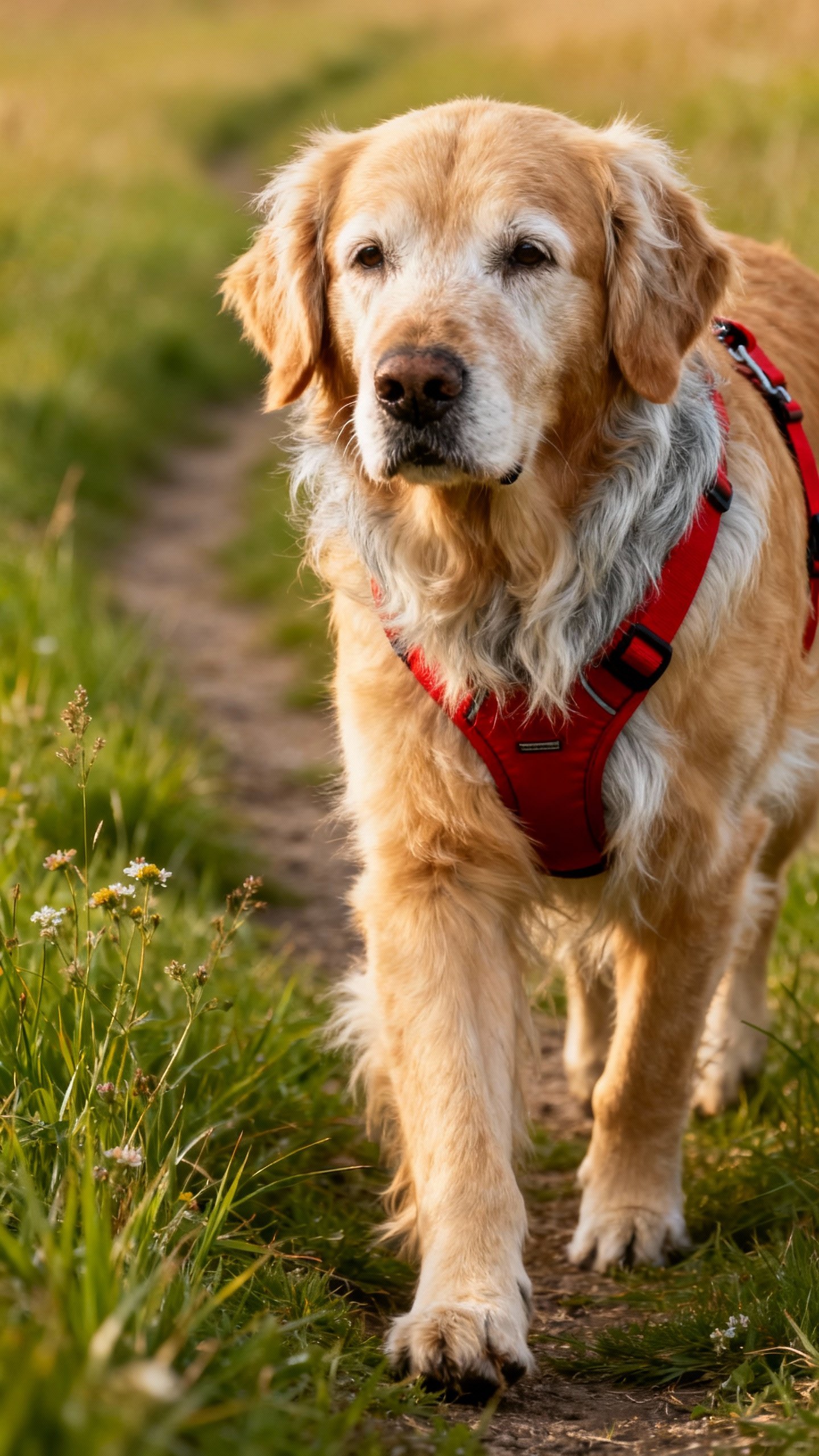
Before you lace up, take stock. Older dogs often have arthritis, reduced stamina, or extra weight.
None of that means “no exercise,” it just means you adjust the plan.
- Get a vet check first, especially if you see stiffness, limping, coughing, or quick fatigue.
- Ask about meds/supplements like NSAIDs, joint support (glucosamine, chondroitin, omega-3s), or pain control—exercise only helps if they feel comfortable.
- Track their baseline: How far can they walk before slowing? How do they move after naps? That’s your starting line.
Walks That Work (Without Wipeouts)
You don’t need marathon walks.
You need smart, consistent strolls that loosen joints and build gentle endurance.
- Keep it short and frequent: 10–20 minutes, 2–4 times a day. Easier on joints than one long trek.
- Choose forgiving surfaces: grass or dirt beats hot pavement or slick tile.
- Warm up and cool down: 3–5 minutes of slow sniff-walking at the start and end.
- Watch the weather: heat and humidity hit seniors hard. Early mornings or evenings win.
Gear That Helps
- Harness over collar: spreads pressure and gives you gentle control.
- Non-slip booties if your dog slips or drags paws—practical, not a fashion show (though cute).
- Coat or cooling vest for extreme temps.
Seniors don’t regulate heat or cold as well.
Low-Impact Strength: The Secret Sauce
We care about muscle as much as miles. Strong muscles support joints and prevent wobbles.
- Controlled hill walks: gentle slopes build hind-end strength. Short and slow beats long and steep.
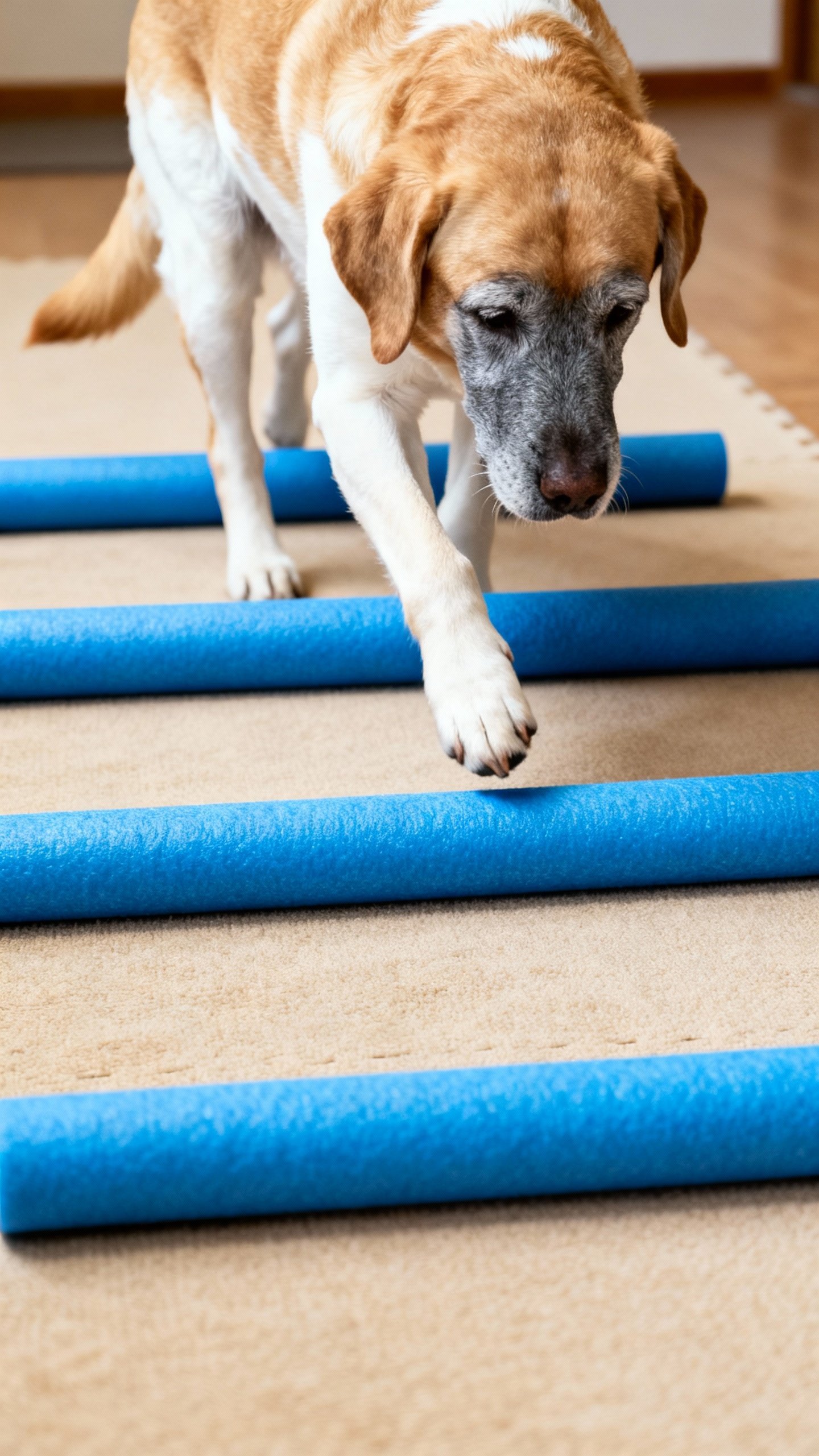
- Cavaletti poles: set broomsticks or pool noodles a few inches high and let your dog step over slowly.
Great for coordination.
- Stand-to-sit reps: ask for a sit, then a stand. 5 slow reps, 1–2 sets. It’s a doggy squat.
- Balance work: stand on a yoga mat or cushion for 10–20 seconds. Micro-movements build stabilizers.
What to Avoid
- Jumping in/out of cars or off furniture: it’s a knee and back gamble.
Use ramps or steps.
- High-impact fetch: sprint-stop-turn equals swollen joints tomorrow.
- Slippery floors: add runners or mats where they walk most.
Swimming and Hydrotherapy: Joint-Friendly Gold
If your dog likes water, you just won the senior fitness lottery.
- Swimming builds muscle and cardio without pounding joints.
- Underwater treadmills (at rehab clinics) offer controlled resistance and buoyancy.
- Start slow: 3–5 minutes with rests, build to 10–15 minutes. Watch for shivering or fatigue.
Safety First (Because You’re Not Starting Baywatch)
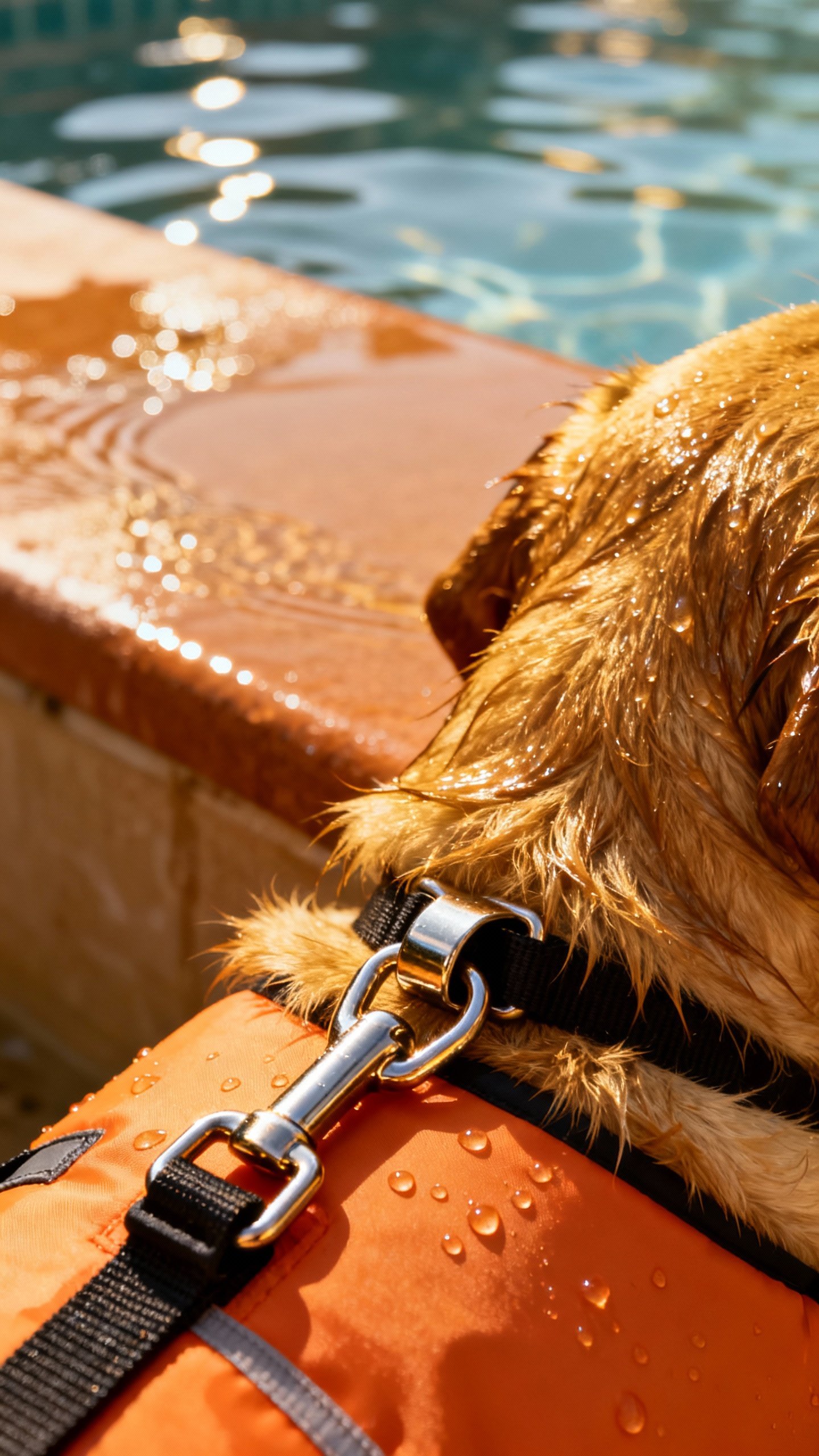
- Life jacket, even for “good swimmers.” Seniors tire quickly.
- Warm water helps stiff dogs. Cold water can tighten muscles.
- Rinse and dry after to protect skin and coat.
Brain Games Count as Exercise (No, Seriously)
Mental work tires dogs in the best way—without joint stress.
IMO, this is where senior dogs shine.
- Sniffaris: let them lead and sniff. Scent work tires the brain and calms the body.
- Food puzzles and snuffle mats: turn mealtime into a scavenger hunt.
- Gentle training refreshers: hand targets, “find it,” or simple tricks with luring. Keep reps short and fun.
DIY Enrichment Ideas
- Hide treats in muffin tins under tennis balls.
- Scatter kibble in the yard and let them nose it out.
- Cardboard box “search-and-destroy” with paper balls and treats inside.
Build a Routine You’ll Actually Keep

Consistency beats hero workouts.
Your dog doesn’t need perfection—just regular movement and a little variety.
- Plan around their best time of day: many seniors do better mid-morning.
- Use a simple weekly rhythm: walks most days, strength twice a week, swim or enrichment sprinkled in.
- Rest days are productive: active rest = short sniff walk + light stretching.
Sample Week (FYI: Adjust for your dog)
- Mon: 2 x 15-min walks + 5 sit-to-stand reps
- Tue: 20-min sniff walk + cavaletti 2 minutes
- Wed: Swim 10 minutes + easy stroll
- Thu: 2 x 10–15-min walks + balance work 2 x 20 seconds
- Fri: 20-min park wander + enrichment puzzle
- Sat: Gentle hill walk 10–15 minutes
- Sun: Active rest, massage, stretching
Read the Room (And the Dog)
Your dog will tell you what works. You just need to listen.
- Good signs: relaxed pace, steady gait, normal panting, happy interest after.
- Yellow flags: slowing mid-walk, heavy panting, lagging behind, stiffness later that day.
- Red flags: limping, collapse, coughing/wheezing, heat distress. Stop and call your vet.
Track It, Don’t Guess
- Keep a simple log: distance/time, surfaces, weather, how they felt after.
- Adjust 10–20% at a time.
Progress should feel almost boring—then it sticks.
Little Upgrades That Add Up
Tiny tweaks make exercise safer and more comfortable.
- Trim nails: long nails change posture and stress joints.
- Weight management: every extra pound is hard on hips and knees. Combine exercise with portion control.
- Routines around meds: many seniors move best 1–2 hours after pain meds.
- Soft landings at home: ramps, orthopedic beds, and rugs reduce daily wear and tear.
FAQ
How much exercise does a senior dog need?
Most senior dogs thrive with 30–60 minutes total daily, split into multiple short sessions. That can be walks, gentle strength work, swimming, or brain games.
The right amount keeps them loose and happy without soreness later. If they limp or crash afterward, dial it back.
Is fetch bad for older dogs?
Hard-charging fetch can be rough because of sprinting and sudden stops. If your dog lives for it, modify it: roll the ball slowly, throw shorter distances, or play on grass.
Limit reps and watch for stiffness afterward. IMO, swapping to scent games gives similar joy with less joint drama.
What if my senior dog hates walks now?
Try shorter routes, more sniff time, or new locations. Check for pain—arthritic dogs often resist because it hurts, not because they’re “lazy.” You can also switch to indoor enrichment, water work, or backyard meanders.
Comfort first, then confidence follows.
Can I still hike with my older dog?
Yes, with caveats. Pick soft trails, avoid steep drops and big steps, and keep it short. Bring water, take breaks often, and use a harness.
If they slow, turn around. No ego hikes—your dog sets the pace.
How do I know if exercise hurts my dog?
Watch the aftermath. Signs include stiffness after naps, reluctance to jump into the car (or onto a low step), lagging behind the next day, or licking joints.
Pain signals mean you adjust intensity, surface, or duration—and check in with your vet.
Are joint supplements worth it?
Many dogs benefit from omega-3s and some joint supplements, especially alongside weight control and steady exercise. Quality matters, and results vary. Ask your vet for dosages and brands—random powders from mystery websites won’t cut it, FYI.
Conclusion
Your older dog doesn’t need to “power through.” They need movement that fits their body today.
Keep sessions short, varied, and fun; prioritize comfort; and let them sniff to their heart’s content. Do that, and you’ll both get more good days—tail wags included.
Related Posts