Emergencies don’t wait for you to find your pet’s carrier buried behind the holiday decorations. When stuff hits the fan, you want a grab-and-go kit that keeps your furry bestie fed, comfy, and safe. Building one feels overwhelming, but it’s actually super doable—and you’ll sleep better knowing you’ve got your bases covered.
Ready to set it up in under an hour? Let’s do it.
Why Your Pet Needs Their Own Go-Bag
Your pet depends on you for literally everything, especially when things get chaotic. Shelters might not take animals.
Roads might close. Power might go out. You can’t wing it with a half-empty treat pouch and vibes.
A pet-specific kit means you can evacuate fast, skip the panic, and focus on keeping your buddy calm. Plus, you avoid that awful “we forgot the leash” moment in a parking lot somewhere. Not cute.
The Core Kit: What You Absolutely Need
This is the baseline.
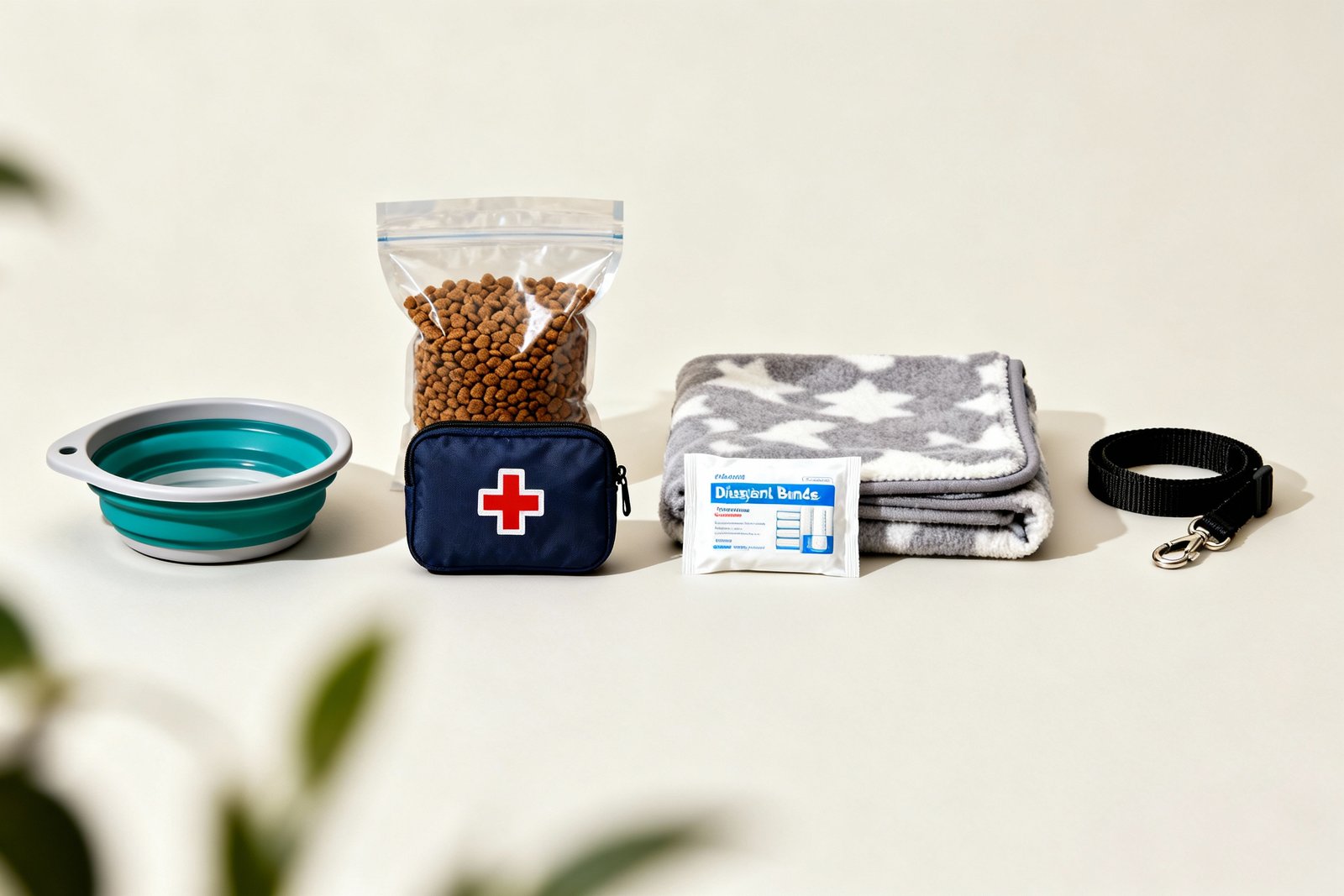
Start here. Pack it in a tough backpack or plastic bin with a lid. Label it with your pet’s name and your contact info, then stash it by the door.
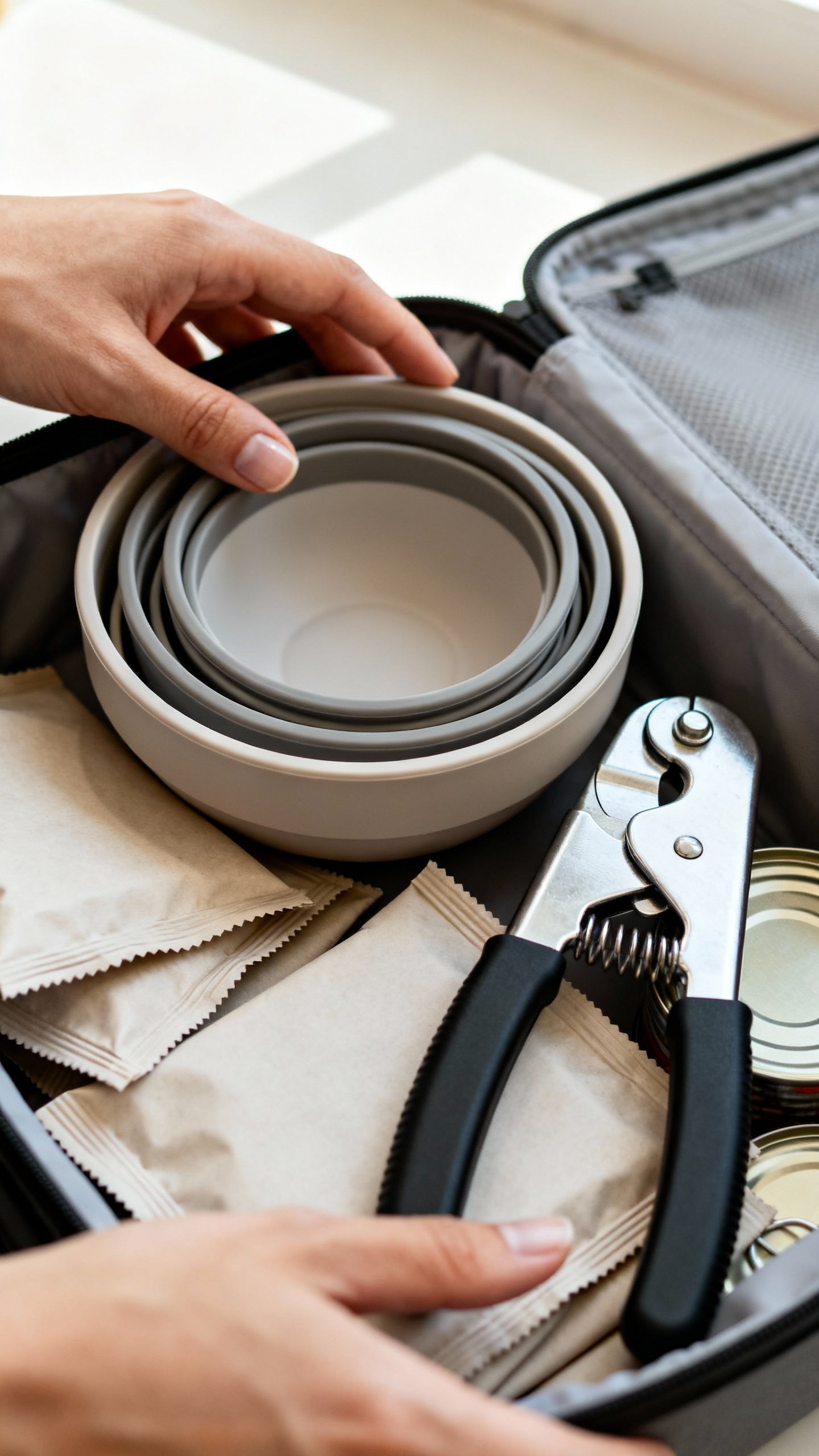
- Food and water (3–7 days) – Canned or dry food in sealed bags.
Don’t forget a manual can opener. Plan for at least 1 ounce of water per pound of body weight per day.
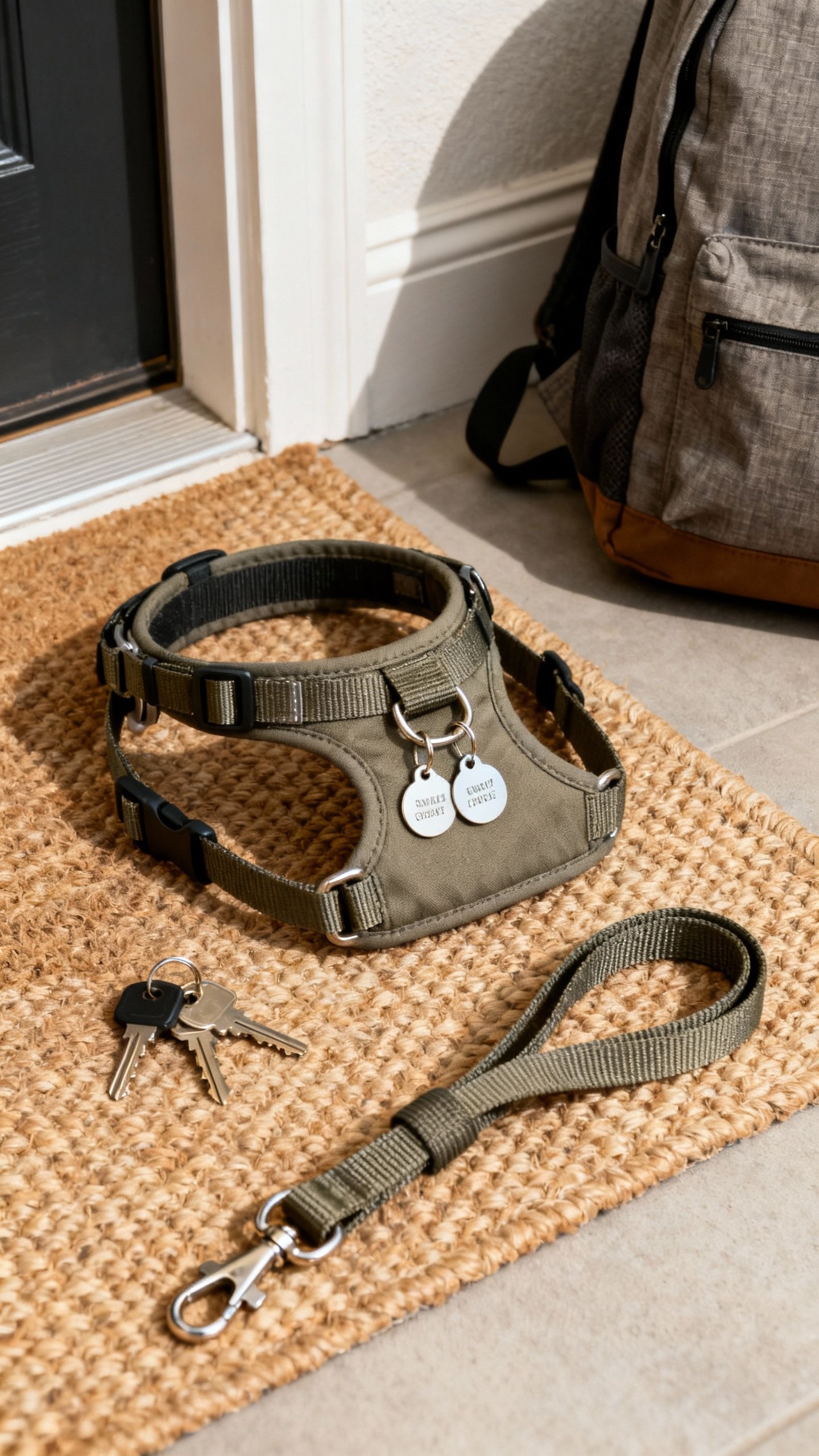
- Collar, harness, and leash – Even for cats. Fear makes escape artists.
- Medications and copies of prescriptions (7–14 days) – Include a list of dosing instructions.
- Vaccination records and vet info – Keep digital copies on your phone and printed copies in a waterproof pouch.
- Portable bowls – Collapsible silicone bowls take no space.
- Crate or carrier – Label it with your name, phone, and your pet’s name.
- Comfort items – A blanket or toy that smells like home reduces stress.
- Waste supplies – Poop bags for dogs; litter, scoop, and disposable trays for cats.
- First aid kit – More on this below.
- Photo of you with your pet – For ID and proof of ownership if you get separated.
Food Tips You’ll Thank Me For
- Date everything with a marker and rotate food every 2–3 months.
- Use single-serve packets for less mess and easy portioning.
- Pack high-value treats.
Emergencies require bribery. IMO, this is non-negotiable.
Pet First Aid: Keep It Simple, Keep It Safe
You don’t need a vet-level kit, but you do need more than vibes and duct tape. Here’s a solid setup:
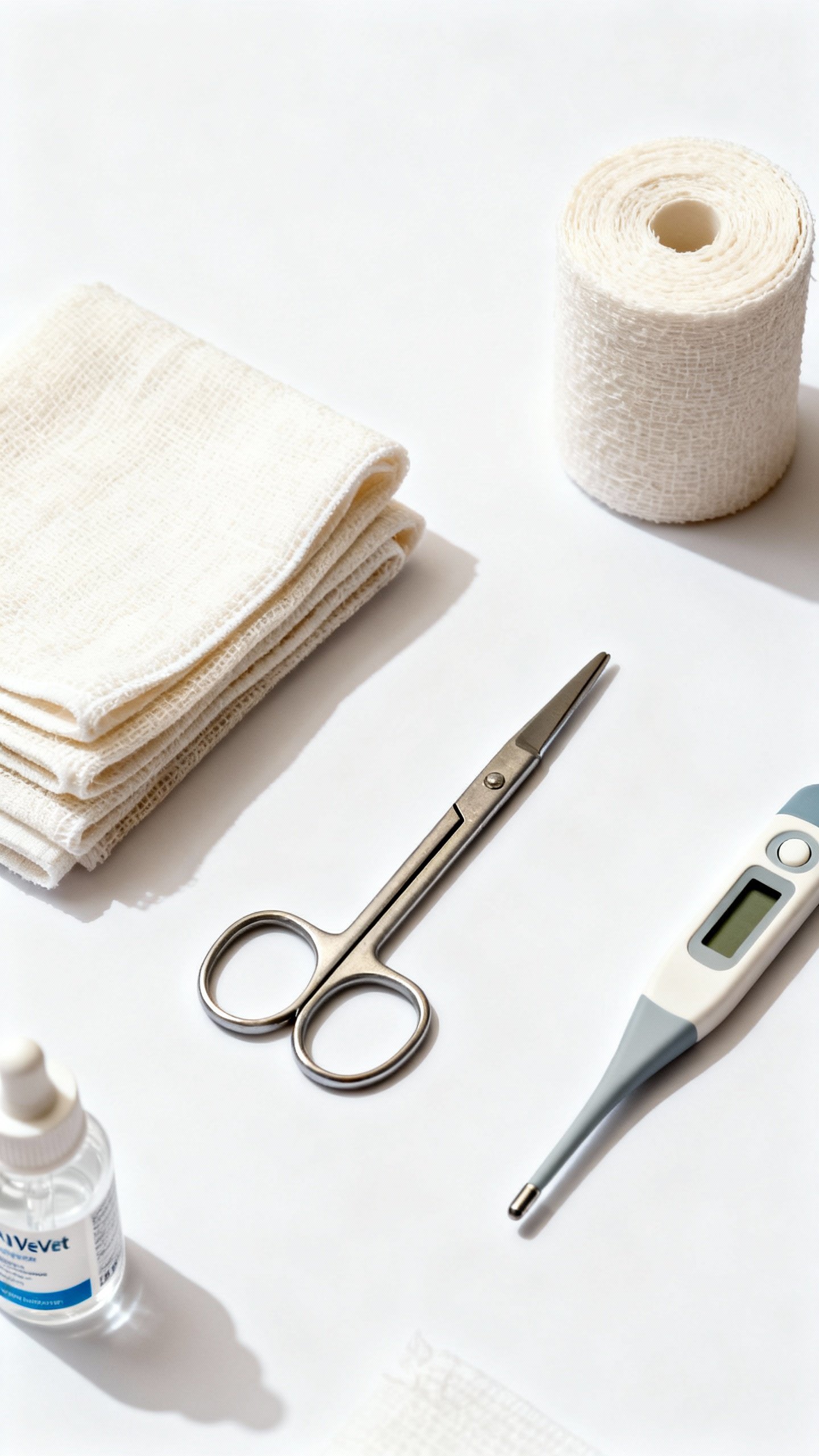
- Gauze, non-stick pads, and vet wrap for wounds.
- Adhesive tape (paper tape for fur-friendliness).
- Blunt-tip scissors and tweezers.
- Antiseptic wipes (chlorhexidine is a good bet).
- Saline eyewash for rinsing eyes or wounds.
- Digital thermometer and pet-safe electrolyte solution.
- Hydrogen peroxide 3% (only if your vet advises for inducing vomiting—never guess).
- Muzzle (even sweet dogs may snap when frightened or hurt).
- Benadryl (diphenhydramine) dosing card from your vet for allergic reactions.
Quick First Aid Rules
- Stop bleeding with direct pressure; don’t tourniquet unless trained.
- Don’t use human pain meds—many are toxic to pets.
- Call a vet or poison control before inducing vomiting.
FYI: grapes, xylitol, and many meds are emergencies.
Dogs vs. Cats vs. Small Pets
Different species, different chaos.
Tailor your kit.
Dogs
- Sturdy harness with ID tags. Microchip up to date.
- Booties if you’re in hot, cold, or debris-prone areas.
- High-calorie snacks for stress days or long walks out.
Cats
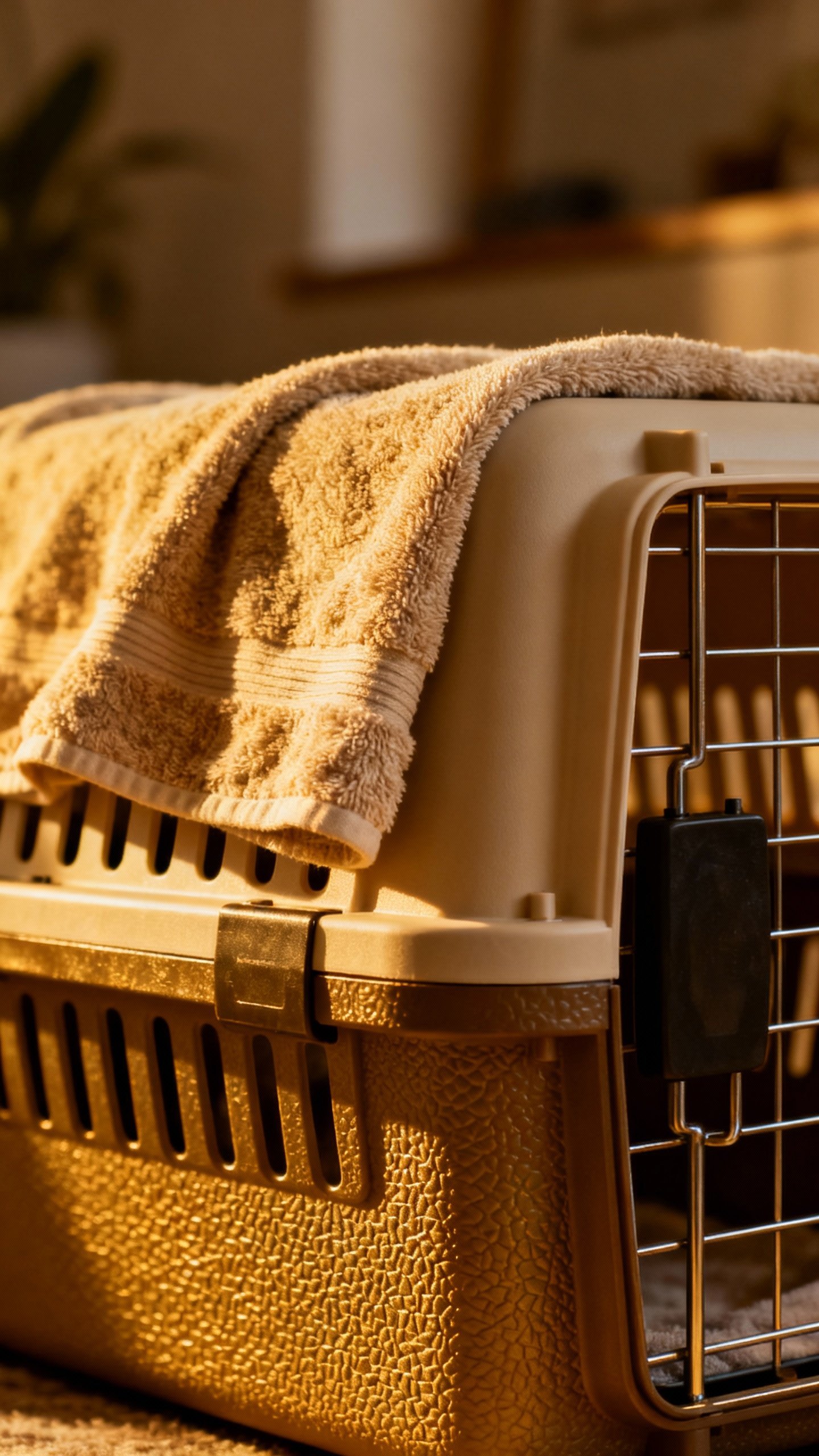
- Hard-sided carrier with a towel over it to reduce visual stress.
- Feliway wipes or spray to help calm the carrier environment.
- Disposable litter trays and clumping litter in zip bags.
Rabbits, Guinea Pigs, and Small Critters
- Secure carrier with solid floor—wire floors cause injury.
- Hay, pellets, and water bottle with spare sipper tube.
- Heat or cool packs since small mammals overheat and chill fast.
ID, Documentation, and Backup Plans
When you evacuate, paperwork gets you through doors. Also, if you get separated, it speeds reunions.
- Microchip registration: Verify the phone number and address today.
- Two ID tags: One on the collar, one on the harness.
- Recent photo of your pet and a selfie of you together.
- Medical summary: Conditions, allergies, meds, vet contact.
- List of pet-friendly shelters and hotels in your region, plus 2–3 out-of-town options.
- Emergency contacts: A local friend and an out-of-area friend who can help.
Evacuation Tagging
If time allows, write your phone number on your pet with a non-toxic, waterproof marker (on collar and carrier, not skin), and tape a card with contact info to the carrier.
Behavior and Stress Management
Adrenaline turns even calm pets into Houdini.
Plan for that.
- Practice carrier time weekly with treats and short car rides.
- Leash train indoor cats or at least harness-condition them.
- Pack calming aids: pheromone wipes, calming chews (your vet can recommend), familiar-smelling blanket.
- Feed small, frequent meals when stressed to prevent tummy upset.
Training That Pays Off
- Recall cue for dogs and cats (yes, cats can learn it—chicken helps).
- Crate games so the carrier feels safe, not scary.
- “Wait” and “leave it” to control door dashes and scavenging.
Seasonal and Regional Add-ons
Disasters aren’t one-size-fits-all. Customize your kit to your climate and risks.
- Wildfire: N95 masks for you, smoke-reducing pet goggles if you use them, saline for eye rinse, burn gel approved by your vet.
- Hurricanes/Floods: Waterproof document pouch, extra towels, floatation aid for dogs, elevated bed/mat.
- Winter storms: Mylar blankets, paw balm, booties, extra calories, chemical hand warmers wrapped in cloth near (not on) carriers.
- Heat waves: Cooling vest, reflective shade cloth, electrolyte solution (pet-safe), extra water.
Storage, Maintenance, and a 15-Minute Drill
A kit only works if it’s fresh and accessible. Set a reminder, not a trap.
- Check every 90 days: rotate food, meds, and treats; refresh water; confirm microchip info.
- Keep the kit by your exit: not in the basement behind the Halloween skeleton.
- Run a 15-minute practice twice a year: load pets, grab kit, secure carriers, and “evacuate” to the car.
It sounds extra, but it saves minutes when minutes matter.
FAQs
How much food and water should I store for my pet?
Aim for at least 3 days, ideally 7. For water, plan roughly 1 ounce per pound per day (a 50 lb dog needs about 50 ounces daily). Add extra if it’s hot, your pet is very active, or you’re evacuating on foot.
Can I use my pet’s daily meds in the kit?
You can, but you must rotate them.
Ask your vet for an extra supply or written prescriptions so you can refill early. Keep meds in their original labeled containers and track expiration dates with a sticky note in the kit.
What if my pet won’t go in a carrier during emergencies?
Practice makes it easier. Feed inside the carrier, use pheromone sprays, and do short car trips.
In a true emergency, approach calmly, turn the carrier upright, and lower them in hind-end first. A thick towel helps guide and protect.
Do shelters accept pets during evacuations?
Some do, many don’t. That’s why you need a backup list of pet-friendly hotels, boarding facilities, and friends who can take your pet.
Keep that list printed and saved on your phone. FYI, local animal control or emergency management often posts pet shelter info during events.
What identification works best if collars come off?
A microchip with current registration works best. Also keep a harness ID tag, a tag on the carrier, and recent photos.
In a pinch, write your number on vet wrap around the collar or on a luggage tag tied to the harness.
Is human first aid gear safe for pets?
Some items overlap (gauze, saline, wraps), but human pain meds and some antiseptics can harm pets. Stick to vet-approved supplies and call a vet or poison control before giving any medication. IMO, when in doubt, do nothing until you ask a pro.
Wrap-Up: Prep Now, Chill Later
You don’t need a bunker.
You just need a smart, tidy kit that buys you time and peace during chaos. Pack the basics, tailor for your pet, practice the quick drill, and set a reminder to refresh every few months. Future you—and your four-legged shadow—will absolutely thank you.
Related Posts