Your pet still wants to do all their favorite things—jump on the couch, patrol the yard, chase the mail carrier (purely for sport). But achy joints and stiff mornings say otherwise. The good news?
You can tweak their environment and routine so they stay comfy, confident, and way less creaky. Let’s talk beds, ramps, and supplements—the holy trinity of aging pet comfort—plus a few clutch extras you’ll wish you’d tried sooner.
Spot the “I’m Not 3 Anymore” Signs
You can’t fix what you don’t notice. Senior dogs and cats often give subtle clues that they need help.
Think slower stair climbs, hesitation before jumping, or the “circle-and-sigh” routine before lying down.
- Movement changes: stiffness after naps, shorter walks, bunny-hopping stairs.
- Behavior shifts: grumpiness when touched, clinginess, or avoiding favorite spots.
- Sleeping habits: more naps, restlessness at night, new sleeping locations.
If you’re nodding along, congrats—you’re right on time to make life easier. IMO, early adjustments beat late regret every time.
Build a Better Bed Setup
Your pet spends most of their day asleep. Upgrade that sleeping situation and you’ll see dividends fast.
What to Look For in an Orthopedic Bed
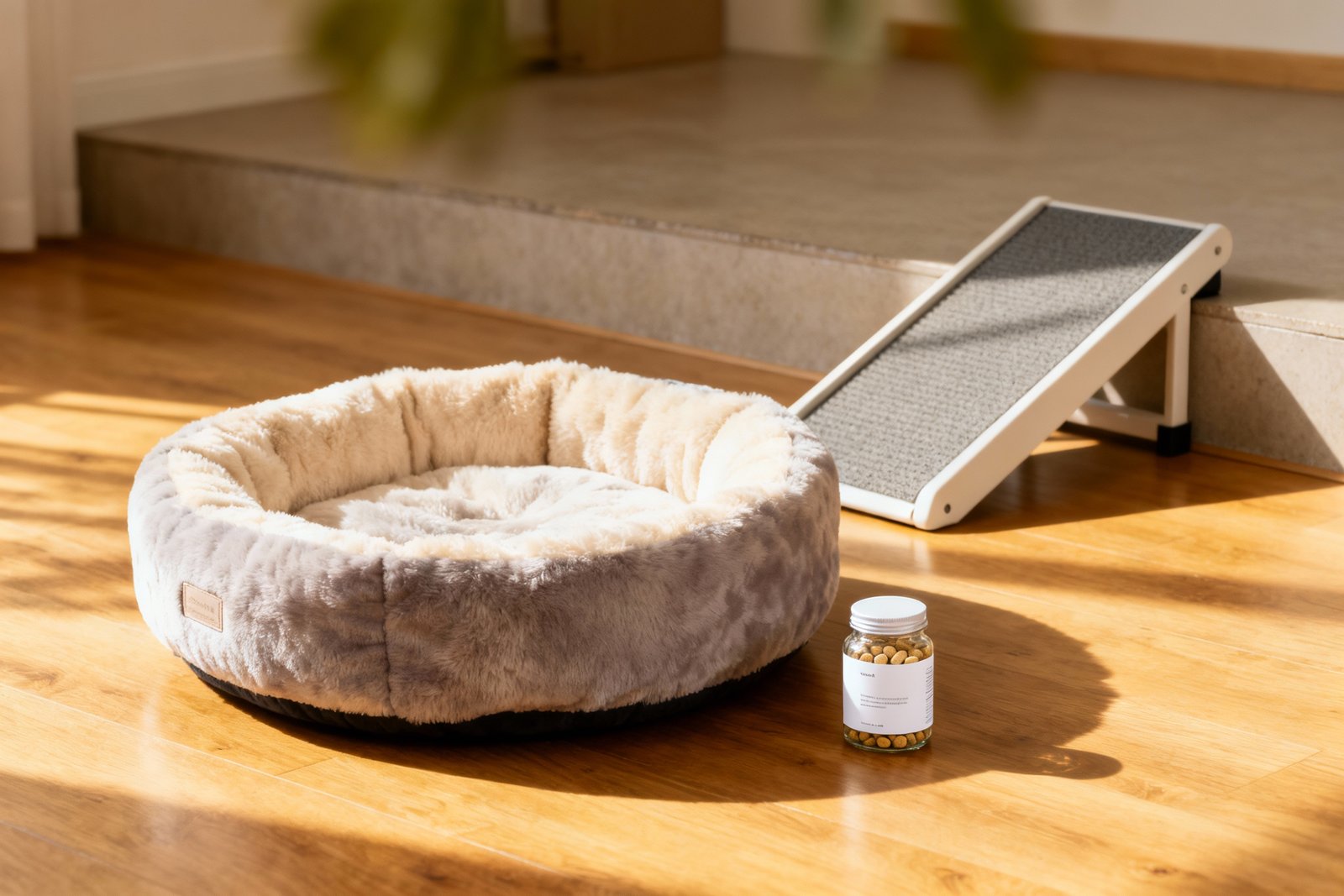
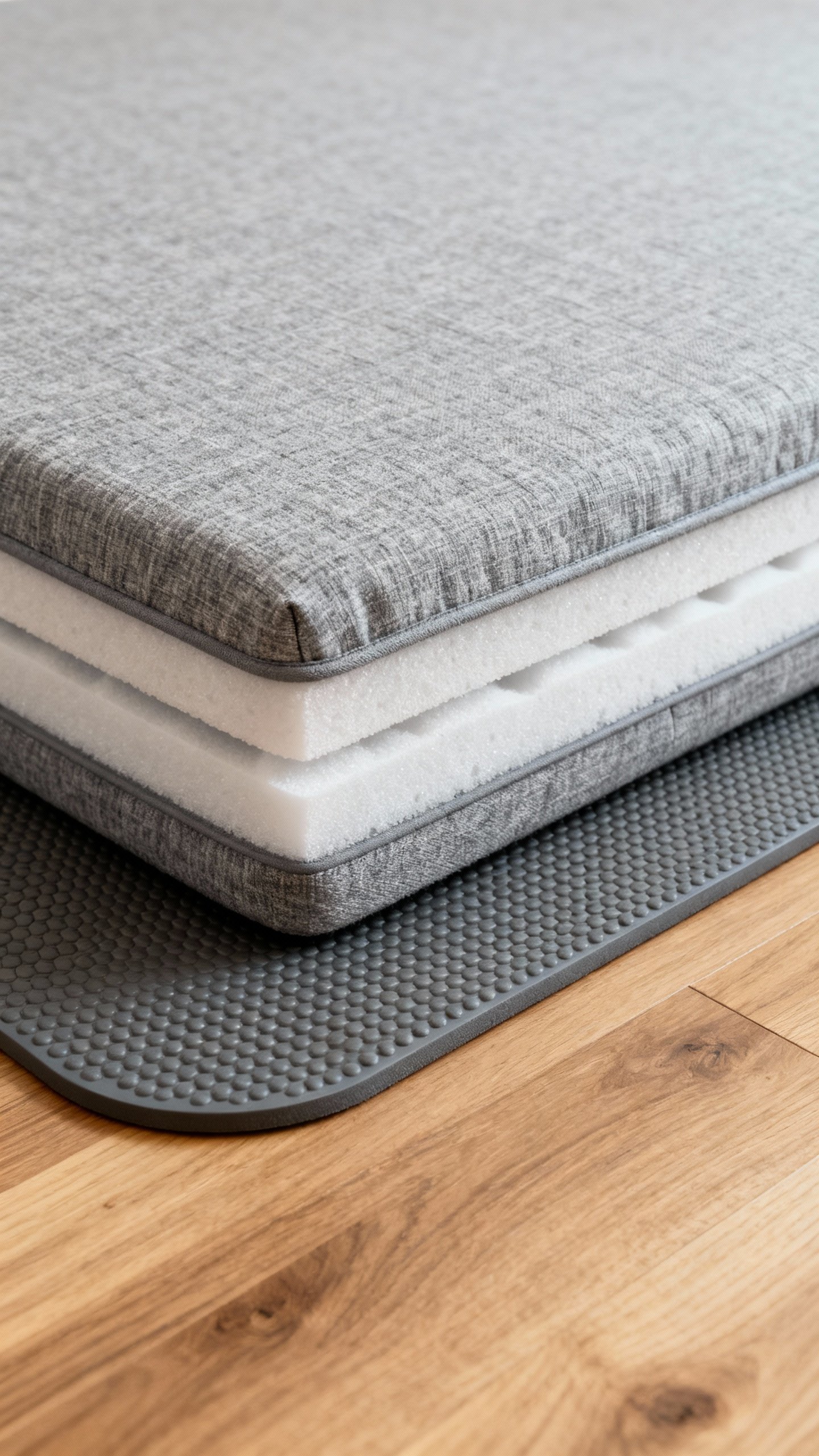
- Real memory foam or high-density foam: it should feel firm, not squishy.
If you can easily pinch it flat, pass.
- Bolsters for support: neck and hip support matters more as they age.
- Non-slip bottom: especially on hardwood or tile.
- Washable cover: seniors drool, shed, and occasionally have accidents. Life happens.
Placement Matters
Keep beds in warm, draft-free spots with easy access. Put one where they hang out with you (living room) and another where they sleep at night.
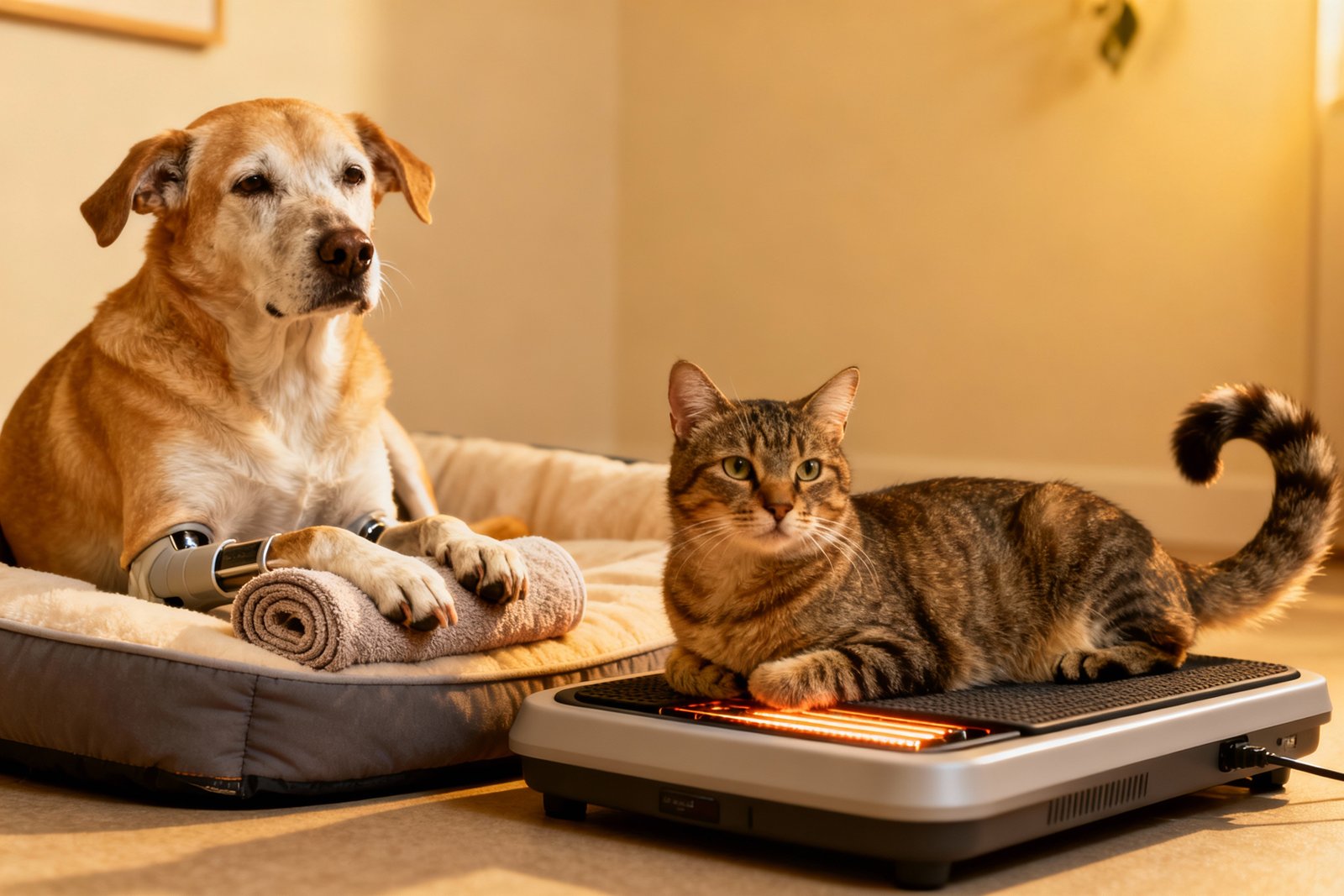
For arthritic pets, elevate water bowls nearby and add a heated pad in winter—low, safe heat only.
For Cats: Think Vertical, But Accessible
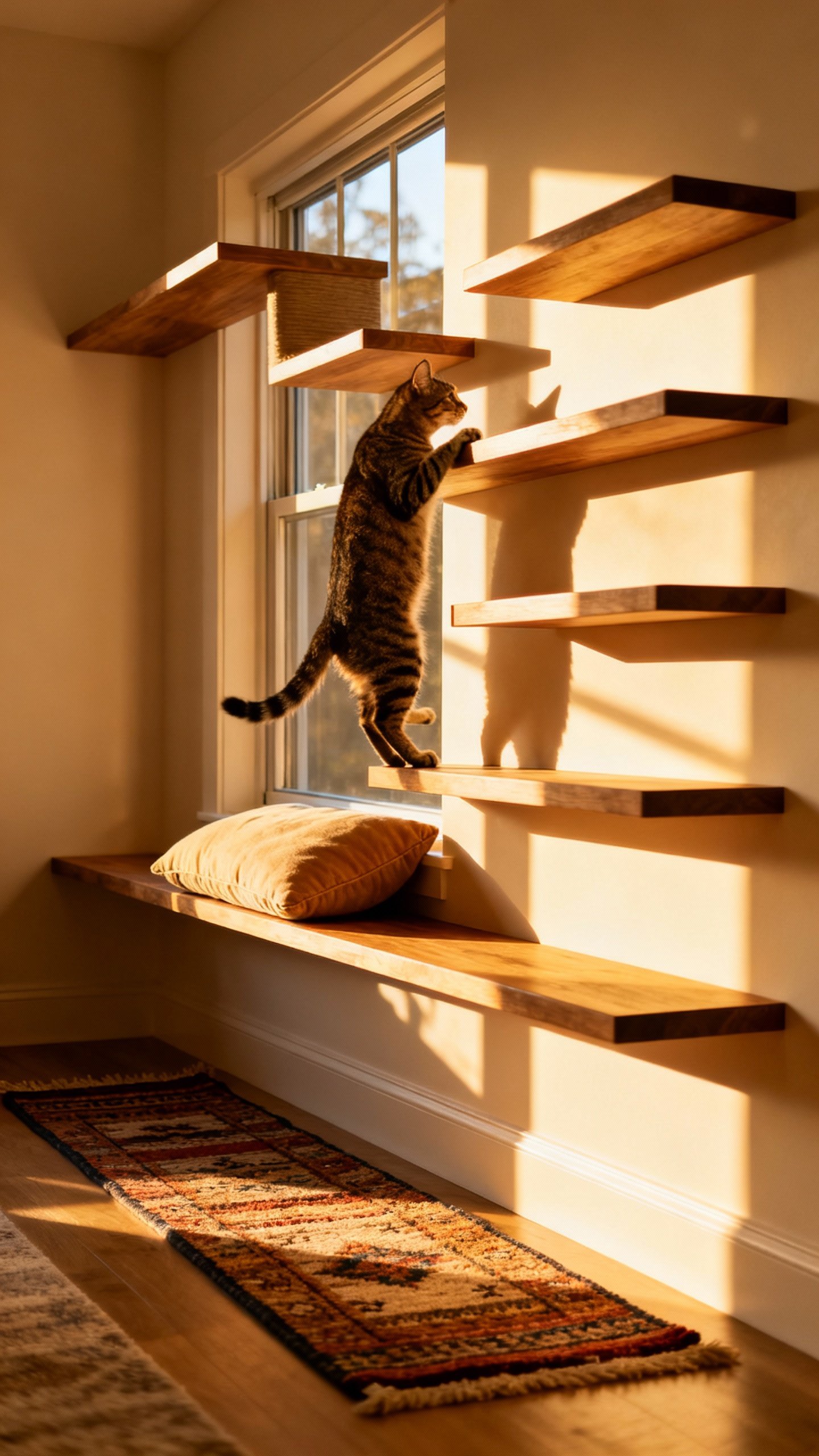
Cats still love high perches. Offer stepped access to their favorite window seat with a short staircase or staggered shelves. Skip fluffy, unstable beds—choose supportive cushions that don’t wobble.
Ramps vs.
Stairs: Choose Your Fighter
Both ramps and stairs help pets reach beds, couches, and cars without joint strain. Which one wins? It depends on your pet and your space.
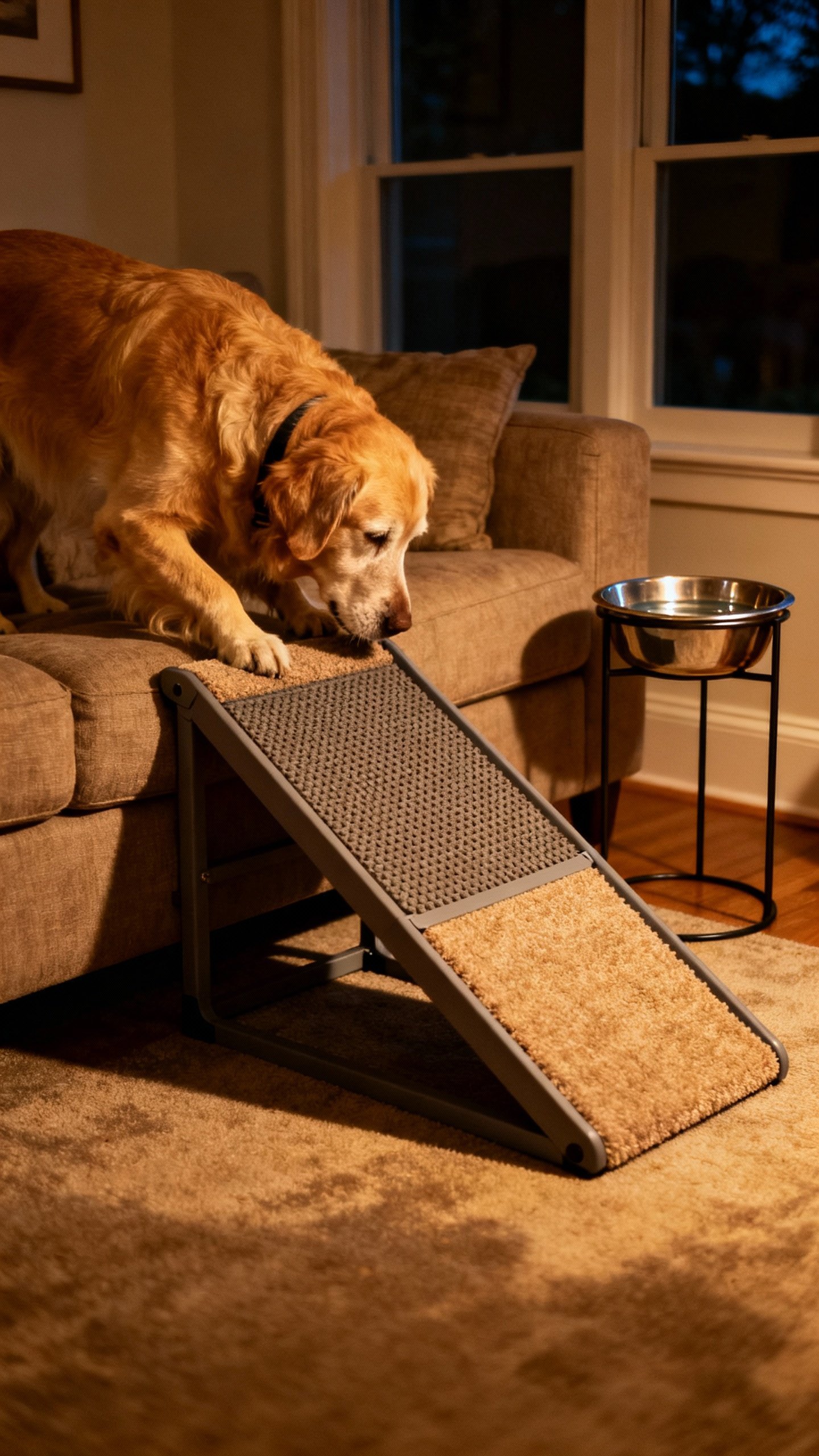
- Ramps: better for dogs and cats with arthritis, ACL issues, or long backs (hi, dachshunds).
Choose a gentle incline (18–22° if you can) and a grippy surface.
- Stairs: compact and familiar. Look for wide, deep treads and low rise steps. Carpeted beats slick every time.
- Car access: portable ramps should lock in place and support your pet’s weight with margin.
Practice indoors first so you’re not wrestling at the curb.
Training Tips So They’ll Actually Use It
- Place the ramp flat first. Treats for sniffing. Treats for a paw.
Treats for two paws. You get it.
- Raise it slowly over a few days. Keep sessions short and upbeat.
- Use a leash for guidance, not force.
Praise like they just won a medal.
FYI: Some pets prefer one dedicated access point to the couch or bed. Block other routes so the ramp becomes the obvious path.
Supplements That Actually Help
Supplements aren’t magic, but the right ones support joints, mobility, and comfort. Always check with your vet, especially if your pet takes meds or has kidney/liver issues.
Joint Support All-Stars
- Glucosamine + chondroitin: supports cartilage and joint lubrication.
Look for products with vet-backed sourcing and clear dosing.
- Green-lipped mussel (GLM): natural omega-3s and glycosaminoglycans; many pets respond well within 4–8 weeks.
- Omega-3s (EPA/DHA): fish oil for anti-inflammatory support. Choose triglyceride form if possible; dose by weight.
- Hyaluronic acid: can boost joint fluid quality—often included in combo formulas.
- Turmeric/curcumin: mild anti-inflammatory; use pet-safe formulations and vet guidance for dosing.
For Anxiety and Sleep
Senior pets often feel anxious, especially at night. Consider:
- L-theanine or alpha-casozepine for calm without sedation.
- Melatonin for sleep schedule resets (cat-safe and dog-safe with vet approval).
Pro tip: Give joint supplements with food to avoid tummy upset and set a daily reminder.
Consistency beats “oops I forgot” dosing.
Flooring, Traction, and the Anti-Slip Revolution
If your pet moves like Bambi on ice, fix the floors. You’ll prevent slips and reduce joint strain.
- Runner rugs from the bed to the door, couch, and water bowl—cover the high-traffic routes.
- Yoga mats as budget-friendly traction zones.
- Paw grips or booties for extra stability. Look for breathable, non-slip styles your pet can tolerate.
- Trim nails and fur between paw pads—overgrowth kills traction.
IMO, this single change transforms confidence faster than almost anything.
Little Upgrades With Big Payoff

Not everything requires a shopping spree.
A few tiny tweaks can feel huge.
- Elevated bowls: less neck strain. Measure to chest height.
- Temperature control: seniors love warm, draft-free snooze spots. Use cooling mats in summer and safe heating pads in winter.
- Litter box hacks (cats): low-entry front, bigger box, and multiple locations.
Older cats hate stairs to the basement—who can blame them?
- Gentle grooming: soft brushes and shorter sessions. Mats pull on skin and make moving hurt more.
- Night lights: a dim path to the water bowl or yard cuts anxiety and stumbles.
Routine Tweaks That Help Mobility
- Shorter, more frequent walks for dogs. Warm up and cool down—yes, like athletes.
- Low-impact play: scent games, gentle fetch on grass, food puzzles.
- Weight control: the cheapest, most effective “supplement” for joints.
Measure meals; watch the treats.
When to Bring in the Pros
Your vet and rehab specialists can add tools you can’t buy off a shelf.
- Pain management: NSAIDs, gabapentin, or other meds when supplements aren’t enough.
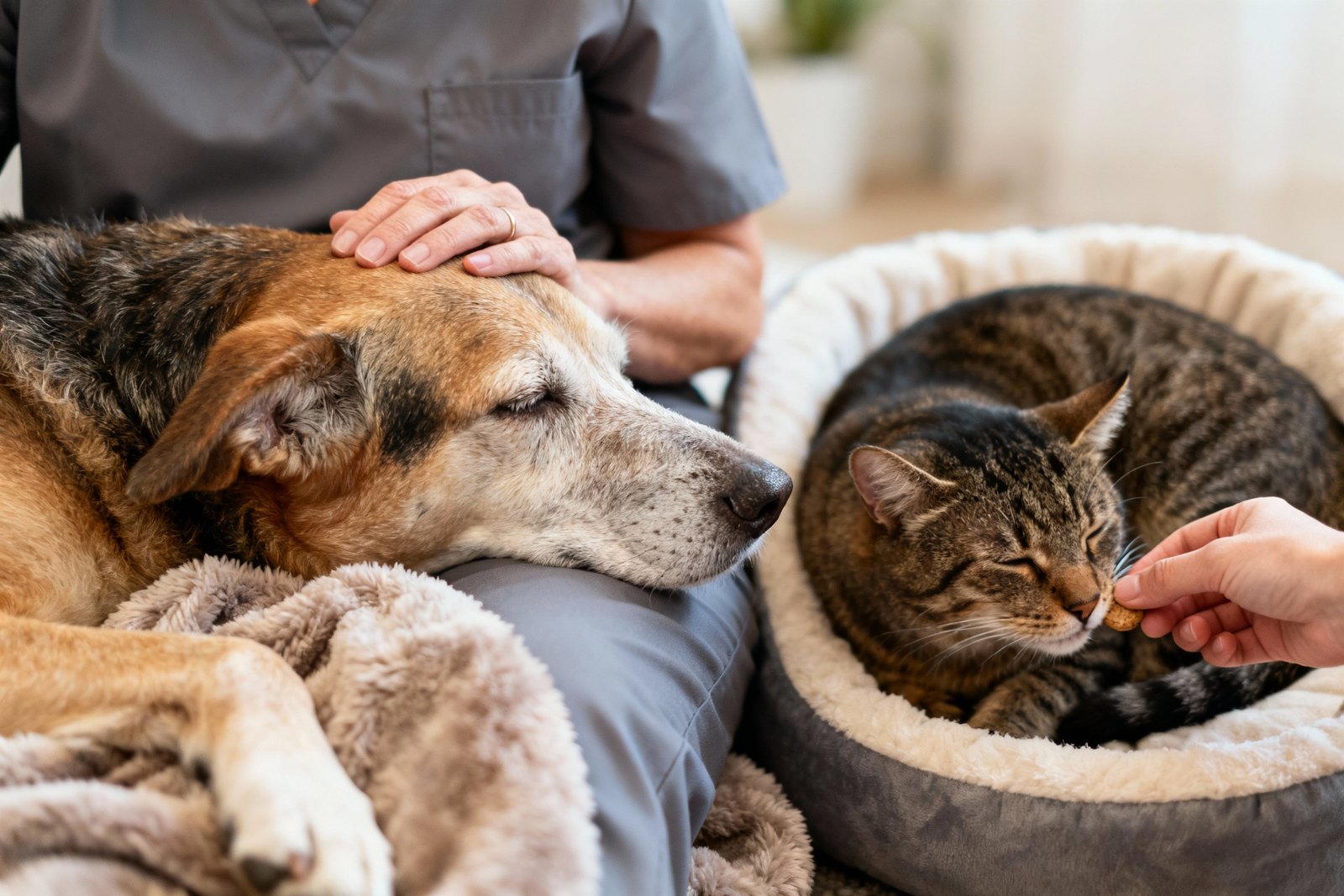
- Physical therapy: underwater treadmill, laser therapy, targeted exercises.
- Acupuncture or chiropractic: some pets respond really well—ask for certified practitioners.
- Progress checks: keep a simple journal of mobility, mood, and sleep to guide adjustments.
Strong opinion alert: don’t white-knuckle it alone. A quick consult often saves weeks of frustration.
FAQs
How do I pick the right ramp angle?
Gentler is better. Aim for 18–22 degrees for most dogs and cats.
Large or mobility-challenged pets may need even shallower. If your ramp feels like a ski slope, extend it or raise the surface more gradually. Always add a high-traction surface.
Do supplements really work, or is it hype?
Some absolutely help, but they’re not instant.
Expect 4–8 weeks for joint supplements to show benefits. Choose reputable brands, check dosing by weight, and ask your vet about interactions. Combine supplements with weight control, traction, and a good bed for best results.
My pet won’t use the new bed/ramp.
Now what?
Make it rewarding. Place the bed where you hang out, add a worn T-shirt for scent, and praise when they settle. For ramps, train in tiny steps with treats and keep sessions upbeat.
Block the old jumping route so the ramp becomes the obvious choice.
Are heated beds safe for seniors?
Yes, with caveats. Choose pet-safe low-heat options and test with your hand—should feel warm, not hot. Provide an unheated area so they can move off if they get too warm.
Avoid heat if your vet says your pet has conditions that impair sensation.
What’s the single best change I can make today?
Traction. Lay down rugs or mats along key paths and near food, water, and sleepers. It prevents slips, reduces fear, and encourages normal movement right away.
Close second: a supportive orthopedic bed in their favorite spot.
When should I worry about pain vs “normal aging”?
If you see limping, yelping, refusal to jump, reluctance to be touched, or sleep changes, call your vet. “Slowing down” often equals discomfort. Early treatment preserves mobility and mood, and your pet won’t win awards for stoicism anyway.
Wrapping It Up
Aging doesn’t have to feel like a slow fade. With a supportive bed, a well-placed ramp or stairs, smart supplements, and a few environmental tweaks, your pet can keep living large—just with fewer ouches.
Start small, stay consistent, and celebrate every tail wag, purr, and comfy nap. They’ve given you years of love; this is the easy part we get to give back.
Related Posts