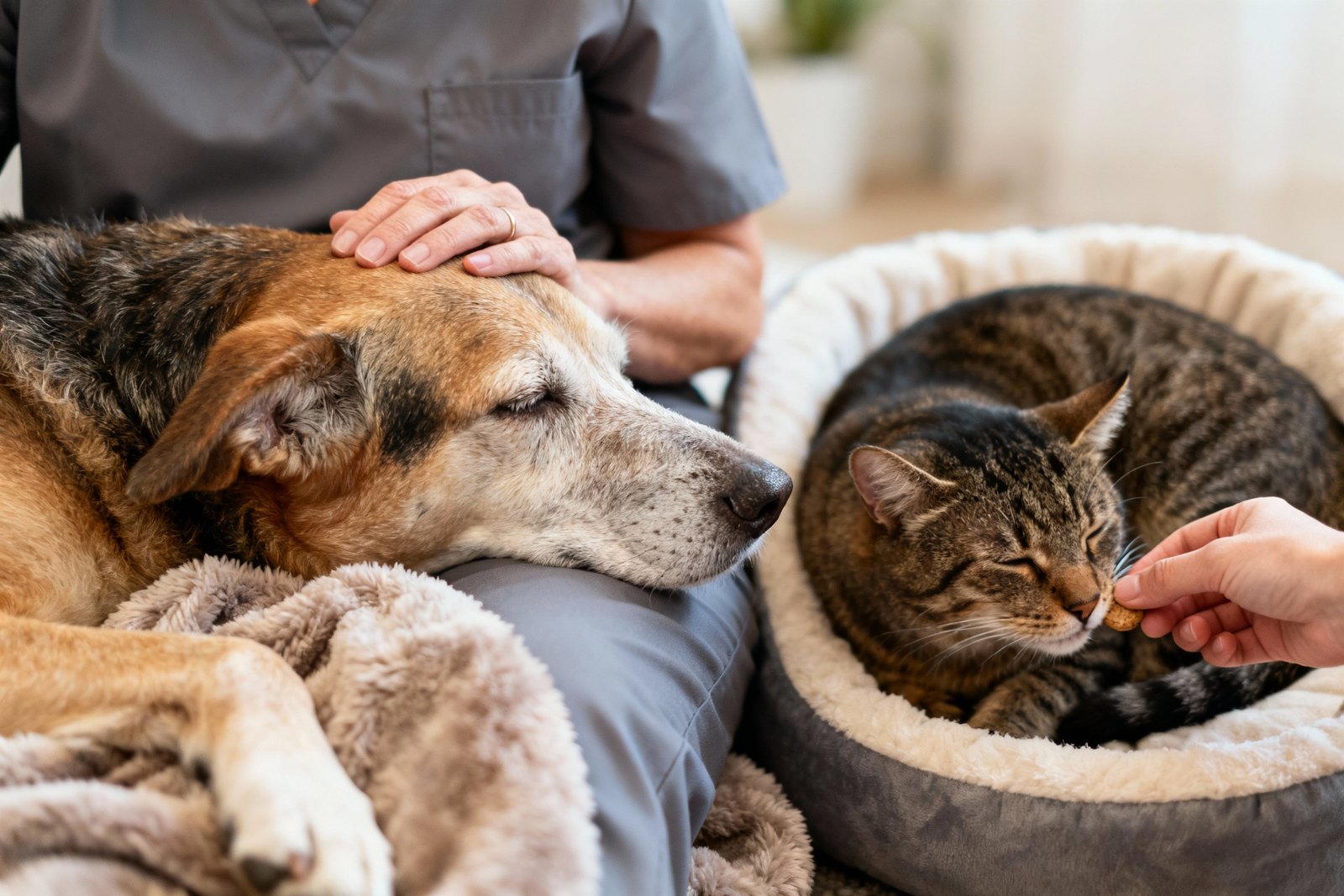
Understanding Your Pet’s Health
Recognizing the signs of a healthy pet is crucial for any pet owner aiming to ensure their animal’s well-being. Many assume that visible issues, such as a lack of energy or poor grooming, are the primary indicators of health concerns. However, pets can be incredibly resilient and may not always display obvious symptoms of underlying health problems. Understanding the nuances of pet health helps dispel common myths and encourages owners to look more closely at their furry companions.
Many pet owners may be unaware that behaviors such as playfulness, appetite, and even social interactions are often excellent indicators of a healthy pet. For instance, a pet that actively engages in play and exhibits a good appetite usually signals good overall health. This is contrary to the belief that pets only exhibit signs of wellness through physical appearance. It is essential to recognize that fluctuations in behavior can provide greater insight into a pet’s health than an occasional sneeze or dull coat.
Moreover, the misconception that pets experience the same health evaluations as humans can lead to misunderstandings. While humans might show visible signs of distress when ill, pets often adapt and hide symptoms indicative of potential health issues. This adaptability can mislead owners into believing their pets are healthy when they may need medical attention. Thus, a thorough and holistic understanding of pet health encompasses not only physical condition but also behavioral aspects.
Ultimately, by closely observing your pet’s behavior, appetite, and energy levels, you can better assess their health status. By focusing on these multifaceted indicators, pet owners can dispel myths and gain a clearer perspective on their pets’ well-being, leading to a happier and healthier life for their animal companions.
Shiny Coat and Healthy Skin
A shiny coat and healthy skin are not merely cosmetic attributes; they are often indicators of a healthy pet. The appearance of the fur can signify how well a pet is nourished and cared for. A lustrous coat typically results from a proper balance of essential fatty acids, vitamins, and minerals in a pet’s diet. A diet rich in omega-3 and omega-6 fatty acids is essential for skin health, as these nutrients contribute to a shiny coat by keeping the skin moist and flexible. Foods specifically formulated for pets often contain these critical components, making them a good choice for maintaining your pet’s health.
Regular grooming is another crucial aspect of achieving and maintaining a shiny coat. Brushing helps remove dead hair and skin cells while distributing natural oils produced by the skin throughout the coat. This oil not only nourishes the fur but also provides a protective barrier against external elements that could cause skin irritations. Additionally, a clean pet is less susceptible to allergies and skin infections, reinforcing the idea that a well-groomed pet is often a healthy pet.
Another factor to consider is hydration. Just like humans, pets require adequate water intake for skin elasticity and overall health. Proper hydration keeps skin cells plump and contributes to a glossy coat. Adding supplements, such as fish oil, can also further support skin and coat health. For pet owners, it is essential to monitor dietary habits, grooming routines, and water intake to ensure their furry friends exhibit signs of a healthy pet.
Incorporating regular vet check-ups into your pet care routine is also advisable. Veterinarians can provide insights into whether your pet is getting appropriate nutrition and if their skin and coat reflect their overall health. A veterinarian’s guidance can be invaluable in making informed decisions regarding your pet’s diet and grooming needs.
Energetic Playfulness

One of the most telling indicators of a healthy pet is its level of playfulness and energy. An energetic pet is often a happy pet, displaying enthusiasm during daily activities, whether it is chasing after a ball, engaging in tug-of-war, or simply running around. This energetic playfulness can be viewed as a sign of well-being, reflecting not only physical health but also mental stimulation. Pets that actively engage in play indicate a well-maintained level of fitness, which directly correlates with various elements of their overall health.
It is important to recognize that energy levels can vary significantly among different breeds and age groups. For instance, younger pets, especially puppies and kittens, tend to exhibit higher levels of vigor compared to their older counterparts. Similarly, some breeds naturally possess more energy than others. In these cases, a playful demeanor is a strong indication that your pet is thriving, both physically and mentally. Watching your pet engage enthusiastically in activities can reassure you of their healthy state, showing that they are free from pain or other underlying health issues.
Moreover, often, the desire to play is tied to a pet’s curiosity and cognitive health. A healthy pet will be more inclined to explore its surroundings, stimulate its senses, and interact with toys and people, enhancing its mental agility. Owners can encourage this behavior by introducing a variety of stimulating toys or activities that suit their pet’s breed and age. A well-rounded routine that includes regular playtime can substantially contribute to your pet’s physical condition, reinforcing the importance of these playful moments in maintaining a healthy pet.
Regular Eating Habits

One of the most telling indicators of a healthy pet is their eating habits. Regular eating patterns reflect a stable digestive system and an overall state of health. When a pet maintains a consistent appetite, it signals that they are likely feeling well and have a balanced metabolism. Conversely, significant fluctuations in appetite—such as sudden decreases or increases in food intake—can serve as red flags, indicating underlying health issues that should be promptly addressed by a veterinarian.
Healthy pets typically showcase a routine that aligns with their normal lifestyle, exhibiting hunger at appropriate times throughout the day. Regular mealtimes not only promote a sense of stability for the pet but also encourage effective digestion. To foster this regularity, pet owners can establish fixed schedules for feeding. This approach helps in monitoring their pet’s eating behaviors, making it easier to spot any anomalies that might arise.
Additionally, the type of food provided is crucial for maintaining these regular eating habits. High-quality, nutritionally balanced diets tailored to the specific needs of a pet can enhance their well-being. Encouraging healthy eating practices involves being mindful of portion sizes, avoiding excessive treats, and ensuring access to clean water at all times. It’s also beneficial to recognize each pet’s unique preferences when it comes to food texture and flavor. By keeping mealtimes engaging—whether through interactive feeders or gradual food transitions—owners can promote healthy eating habits that align with their pet’s natural inclinations.
Ultimately, monitoring and fostering regular eating habits is fundamental in ensuring that your pet remains healthy and content. By understanding how consistent appetites relate to well-being, pet owners can take proactive steps to maintain their furry companions’ health.
Clear Eyes and Healthy Gums

The physical signs exhibited by pets play a crucial role in assessing their overall well-being. One notable indicator of a healthy pet is the clarity of their eyes. Pets with clear, bright eyes typically display good health and vitality. Conversely, cloudy or dull-looking eyes may suggest underlying health issues such as allergies, infections, or other systemic problems. Regular observation while interacting with your pet can ensure that you catch any abnormalities early, allowing for timely veterinary consultation.
In addition to eye clarity, the condition of a pet’s gums is equally telling. Healthy gums are generally pink and firm, which indicates proper blood circulation and nutrition. Signs of unhealthy gums, such as redness, swelling, or receding gum lines, can point to dental disease or other health concerns that may affect your pet’s quality of life. Routine dental care, including brushing and dental chews, can maintain oral hygiene and prevent periodontal diseases that could lead to more serious health complications.
Moreover, pet owners are encouraged to perform regular home health checks. During these checks, simply lifting your pet’s lips can reveal vital health information. Make it a habit to inspect their mouth for signs of tartar build-up or changes in gum color. Additionally, an overall assessment of their eyes and mouth not only fosters a connection with your furry friend but also enhances your ability to spot potential health issues before they escalate. Incorporating these simple practices into your pet care routine contributes significantly to your pet’s longevity and enjoyment of a healthy life.
Social Behavior and Affection

The social behavior of pets can serve as a significant indicator of their overall health and well-being. A pet that engages actively with humans and other animals demonstrates a level of confidence and comfort in their environment, suggesting a healthy mental state. For instance, a dog that exhibits excitement when meeting other dogs or people is likely to feel secure and happy, which correlates to their physical health as well. Similarly, a cat that seeks out companionship and affection from its owners reflects a sense of contentment and trust that is essential for a healthy pet.
Affectionate behaviors, such as nuzzling, purring, or following their owners around, are also important indicators of a pet’s mental health. These actions signify that the pet feels safe and valued in their surroundings. For many pets, social interaction does not only fulfill their emotional needs but also contributes to their physical health. Engaging in play with other animals or humans can provide ample physical exercise, promoting a healthy lifestyle and preventing obesity, which is a common issue among domesticated pets.
Observing your pet’s social behavior can also reveal if they are experiencing stress or anxiety. A healthy pet will generally exhibit relaxed body language, while signs of withdrawal or aggression may indicate underlying issues that need to be addressed. For example, if a normally friendly dog suddenly becomes isolated or defensive, this shift may reflect unease or discomfort in their environment. Facilitating positive interactions, whether through training, socialization, or playtime, can enhance a pet’s mental health, reinforcing the bond between pets and their owners as well as improving their overall wellness. Consistent observations of these behaviors can help indicate whether your pet is indeed healthier than you might think.
Healthy Weight Management
Maintaining a healthy weight is one of the most pivotal aspects of ensuring a long and vibrant life for your pet. A healthy pet is often characterized by a body condition score that aligns with their breed and age, which indicates not just aesthetic appeal, but also overall health. Obesity in pets can lead to a myriad of health issues, including diabetes, joint problems, and a decreased lifespan. Recognizing the signs of a healthy weight versus obesity is crucial for any pet owner.
Pet owners should aim to assess their pet’s weight regularly. A healthy weight can typically be gauged by observing the pet’s ribs and waistline; you should be able to feel the ribs without excessive pressure, and the waist should be visible from a top view. Conversely, a pet that is overweight may have difficulty feeling the ribs, and their waist may be less defined. It’s important to seek guidance from a veterinarian who can provide tailored advice based on the specific needs of your pet.
Diet and exercise play essential roles in healthy weight management. The dietary needs can vary significantly depending on various factors such as species, age, and health conditions. For example, while cats may thrive on a high-protein, low-carbohydrate diet, dogs may benefit from a more balanced approach of proteins, fats, and carbohydrates. Implementing regular exercise routines, such as daily walks for dogs or interactive play sessions for cats, can significantly contribute to maintaining an ideal weight and promoting a healthy lifestyle.
In conclusion, prioritizing healthy weight management is pivotal for your pet’s longevity and quality of life. By understanding the importance of a healthy weight, recognizing the signs of obesity, and implementing suitable diet and exercise strategies, pet owners can significantly enhance their furry companions’ well-being.
Good Bathroom Habits
One of the most significant indicators of a healthy pet lies in their bathroom habits. Regular and consistent habits can reveal much about a pet’s overall well-being, as they reflect various internal functions and state of health. In general, a healthy pet should have a predictable schedule for urination and defecation, paired with normal frequency and consistency.
The frequency of bathroom trips can vary with different pets and their specific diets or lifestyles. However, an average dog may need to relieve itself approximately three to five times per day, while a cat might use the litter box multiple times daily. Observing these patterns is crucial, as any drastic changes—such as increased urination or sudden incontinence—are potential signs of underlying health issues that warrant veterinary attention.
When assessing your pet’s feces, consistency and color play major roles. Healthy pet feces should generally be firm but not rock hard, resembling a log shape. The color of the stool can also offer insights; shades of brown are typical for healthy pets, while black, red, or green stools could indicate problems that are worth discussing with a veterinarian. Watery stools can signal gastrointestinal distress, infections, or dietary concerns that need to be addressed promptly.
Aside from frequency and consistency, it is also essential to consider behavioral signals during bathroom breaks. A healthy pet will typically display signs of comfort and ease while eliminating. If a pet seems distressed, spends excessive time in the bathroom, or presents behavioral changes during these times, it may indicate discomfort or pain, suggesting the need for further investigation into their health status.
By closely monitoring these bathroom habits, pet owners can gain valuable insight into their beloved companions’ health. Understanding what is normal for each individual pet is critical for recognizing any deviations that could signify potential health concerns.
Quick Healing and Recovery

The ability of a pet to quickly heal from minor injuries or illnesses is often an unrecognized indicator of its overall health. A healthy pet typically possesses a robust immune system that efficiently combats infections and accelerates recovery after an incident. When pets are resilient and bounce back promptly from an injury, it is a testament not only to their physical strength but also to their well-being. Pet owners should pay close attention to these signs as they reflect the underlying health status of their companion animals.
Several factors contribute to the healing processes of pets. Genetics plays a significant role; certain breeds are inherently more resilient than others, exhibiting quicker recovery times. Additionally, nutrition is pivotal; a balanced diet rich in vitamins and minerals fortifies the immune system, enhancing the body’s natural healing capacity. Regular veterinary check-ups are equally important, enabling early detection and management of health issues that could impede recovery.
Monitoring a pet’s recovery is essential for pet owners. Keeping a close eye on the pet’s behavior, appetite, and energy levels following an injury can provide valuable insights into its health status. If a pet shows signs of persistent discomfort, lack of appetite, or lethargy, these could be red flags indicating a deeper health concern requiring veterinary attention. Thus, a healthy pet not only recovers quickly but does so without exhibiting signs of distress.
Ultimately, recognizing the importance of quick healing is crucial for pet owners. It not only reassures them about their pet’s health but also reinforces the significance of providing adequate care and support during recovery periods. By fostering an environment that enhances health—through proper nutrition, regular vet visits, and attentive monitoring—owners can further empower their pets to achieve optimal health and swift recovery from minor ailments.
Routine Veterinary Check-ups

Routine veterinary check-ups are a cornerstone of maintaining a healthy pet. These regular visits allow veterinarians to assess a pet’s overall health and ensure they are up to date on vaccinations and preventative care measures. A thorough examination can uncover hidden health issues that may not be immediately apparent to pet owners. Early detection of potential problems, such as dental disease, obesity, or parasites, can lead to timely treatment and management, ultimately contributing to a higher quality of life.
Proactive healthcare through routine check-ups equips pet owners with the necessary tools and knowledge to keep their companions in optimal health. Veterinarians often provide valuable insights regarding the pet’s diet, exercise, and behavioral health. They can also recommend preventative care strategies tailored to your pet’s specific needs, such as flea and tick prevention, heartworm testing, or nutrition plans, enhancing your pet’s overall wellness.
In many cases, a pet may appear outwardly healthy yet be suffering from underlying conditions that can only be identified through professional evaluation. For example, conditions like hyperthyroidism in cats or arthritis in dogs can manifest subtly over time. Consistent veterinary visits provide a platform for discussion about changes in behavior, appetite, or energy levels that may indicate health concerns. Moreover, these appointments often foster stronger relationships between pet owners and their veterinary team, cultivating a supportive environment for both the pet and owner.
By prioritizing routine veterinary check-ups, pet owners can significantly contribute to their pets’ long-term health, enabling a proactive rather than reactive approach to care. Investing time and resources in regular visits is essential to safeguarding a healthy pet and ensuring a happy, fulfilling companionship. Regular check-ups pave the way for better health outcomes and reinforce the importance of preventative care within the broader context of pet wellness.
Related Posts